Already a subscriber? Make sure to log into your account before viewing this content. You can access your account by hitting the “login” button on the top right corner. Still unable to see the content after signing in? Make sure your card on file is up-to-date.
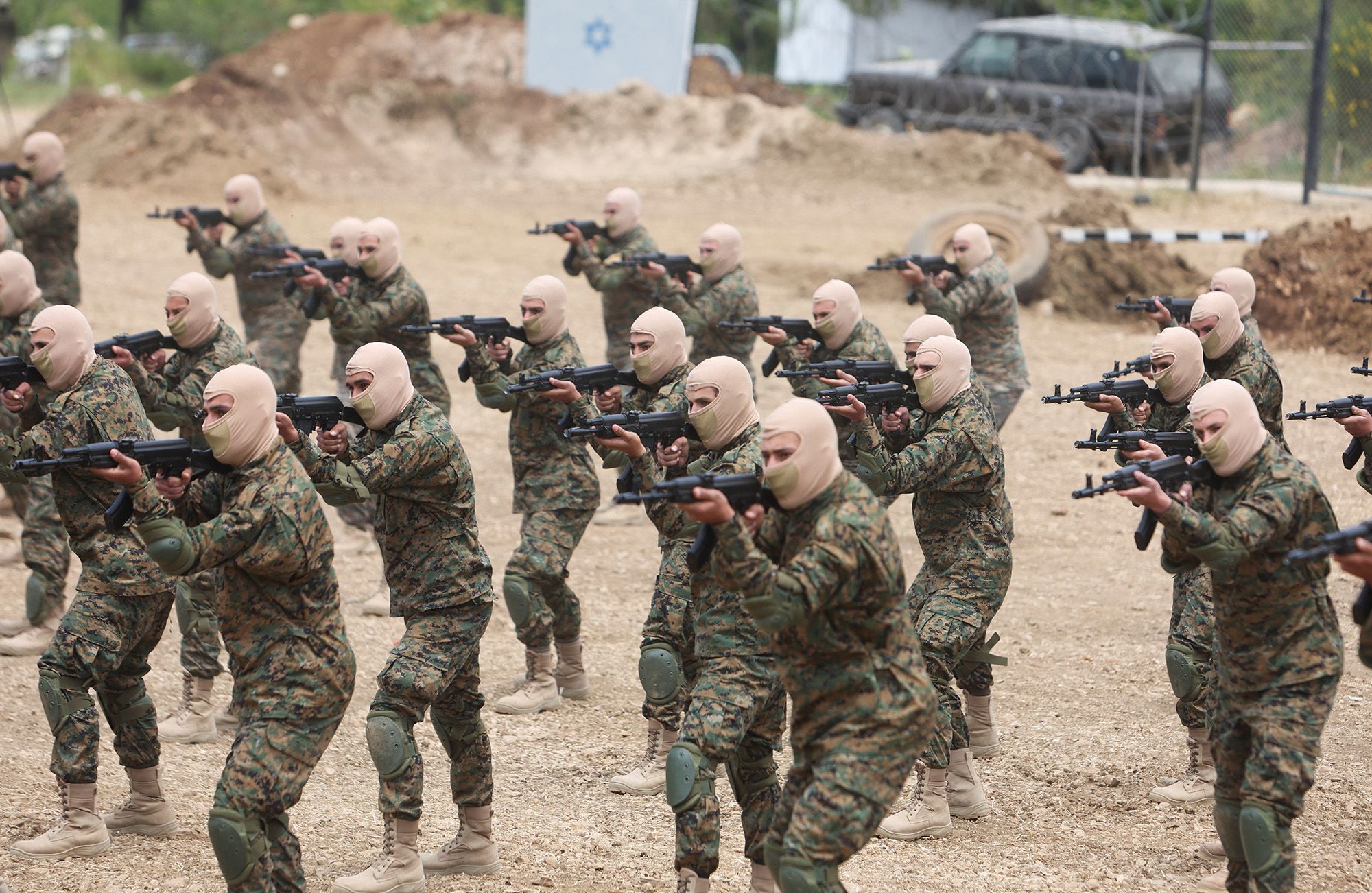
The US has sanctioned nine people it says are helping the Iran-backed group Hezbollah and blocking efforts to disarm it.
Getting into it: The Treasury and State Departments announced the sanctions Thursday, designating the nine individuals “for obstructing the peace process in Lebanon and impeding the disarmament” of Hezbollah. The list includes four Hezbollah figures (executive council leader Mohammed Fneish and sitting Lebanese parliament members Hassan Fadlallah, Ibrahim al-Moussawi, and Hussein Al-Hajj Hassan), Iran’s ambassador-designate to Lebanon Mohammad Reza Sheibani (whom Lebanon had already declared persona non grata and ordered to leave Beirut), two security officials from the Hezbollah-allied Amal Movement, and two Lebanese state security officials (a Lebanese Armed Forces branch chief and a top official with the General Directorate for General Security) accused of sharing “important intelligence” with Hezbollah over the past year.
The US is also offering a reward of up to $10 million for information leading to the disruption of Hezbollah’s financial networks. Treasury Secretary Scott Bessent framed the move as part of a sustained effort. “Treasury will continue to take action against officials who have infiltrated the Lebanese government and are enabling Hezbollah to wage its senseless campaign of violence against the Lebanese people and obstruct lasting peace.”

State Department spokesperson Tommy Pigott warned that the designations were just the start and aimed at clearing the way for US-brokered peace talks. “Anyone still shielding or collaborating with this terrorist organization, or otherwise undermining Lebanon’s sovereignty, should understand that they will be held accountable. A stable, secure, and independent Lebanon requires the full disarmament of Hezbollah and the restoration of the Lebanese government’s exclusive authority over security matters throughout the country.”
Hezbollah dismissed the sanctions outright, calling them an “attempt to intimidate the free Lebanese people” that would have “absolutely no practical effect on our strategic choices.” The group cast them as a badge of honor and accused the US of trying to hand Israel a “political boost” while pressuring Lebanon’s official security institutions.
This all comes just ahead of the first direct security talks between Israeli and Lebanese military representatives, scheduled for May 29 at the Pentagon, with political negotiations to follow on June 2 and 3. Hezbollah’s disarmament has been the central sticking point in those talks: Lebanon’s president and prime minister came into office at the start of 2025 promising to strip all non-state groups of their weapons, but the US and Israel have criticized the slow pace, while Lebanese authorities fear that moving too aggressively could trigger a civil war.
Related posts:
 Updates From Middle East
 US Calls on Americans in Lebanon to Leave Immediately, Follows Hezbollah Launching Rockets at Israel
 Lebanese Officials Meet to Discuss Forcing Hezbollah to Disarm; Hezbollah Official Says No
 Israel Renews Strikes in Lebanon, Vows to Maintain Permanent Military Presence in Gaza Until All Hostages Are Released