Already a subscriber? Make sure to log into your account before viewing this content. You can access your account by hitting the “login” button on the top right corner. Still unable to see the content after signing in? Make sure your card on file is up-to-date.
Chevron has signed agreements with Venezuela to invest more than $7 billion in the country over the next five years and roughly double its crude production there.
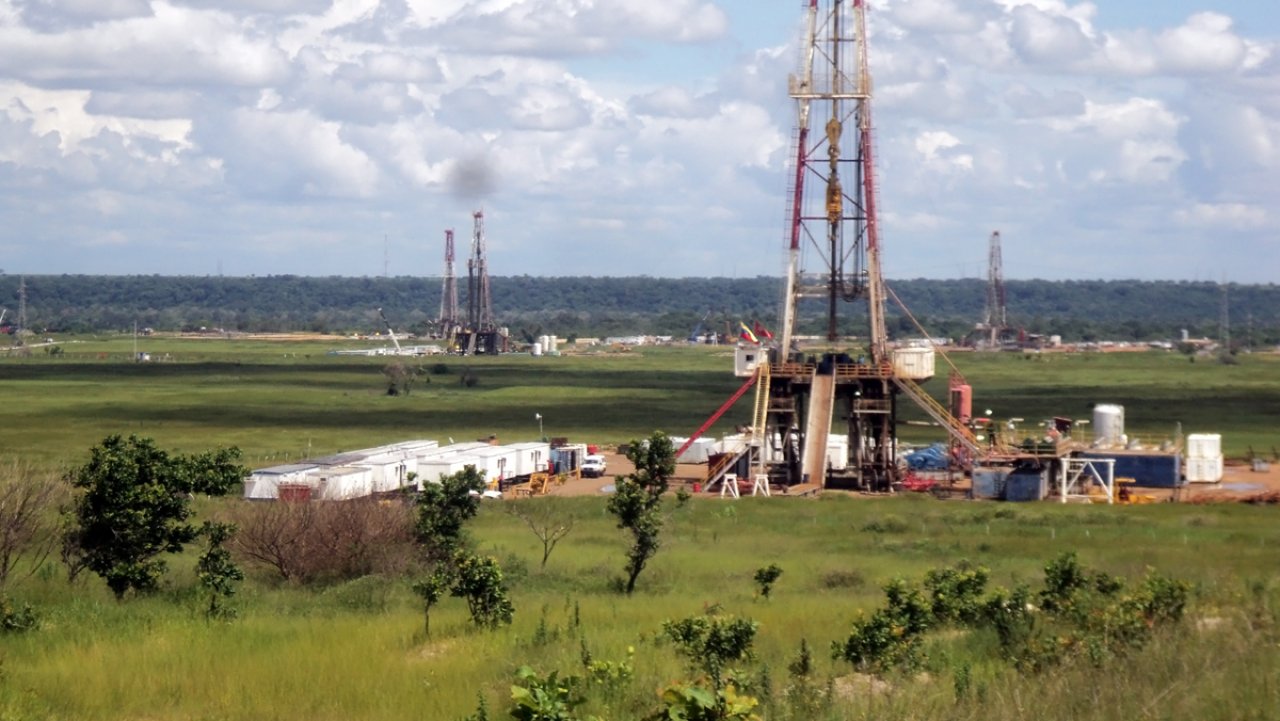
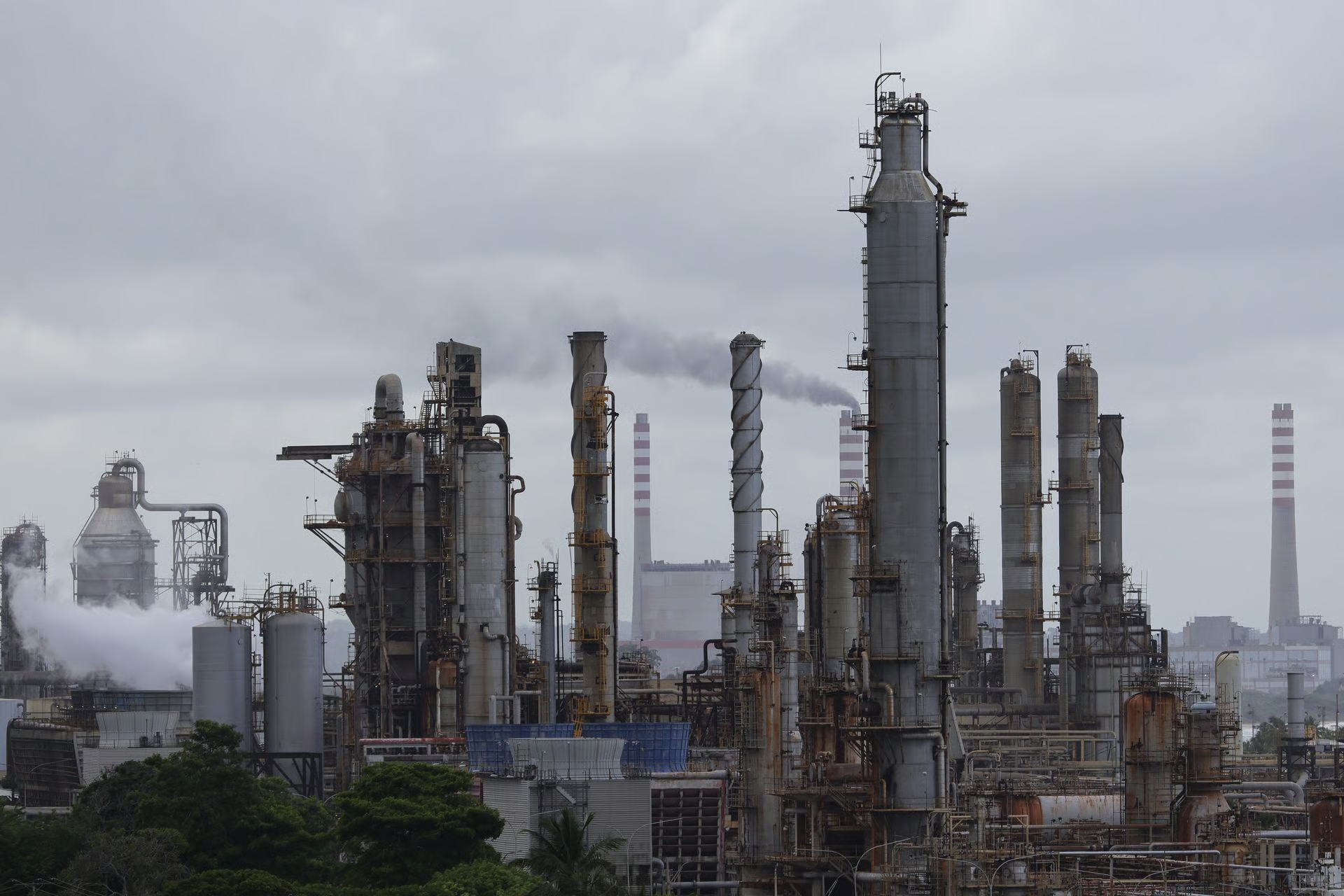
Getting into it: The agreements cover Chevron’s three joint ventures with state-run Petróleos de Venezuela (PDVSA) and give Chevron’s Petroindependencia venture, in which it holds a 49% stake, the rights to develop two new heavy oil areas in the Carabobo region of the Orinoco Belt. Chevron expects output to climb to about 600,000 barrels a day by 2031, up from roughly 300,000 today, with production costs staying below $20 a barrel. For context, US crude is currently fetching around $90 a barrel.
In addition to Chevron:
- Eni, the Italian oil company, took a deal with PDVSA on an extra-heavy crude field in the same area.
- GE Vernova, an American firm that builds power equipment, agreed to work on Venezuela’s failing electricity network alongside state-run Corporación Eléctrica Nacional.
- Primavera, based in Texas and co-founded by Coinbase billionaire and Trump ally Fred Ehrsam, will share production from the Budare block in the east of the country.
- Aspect Holdings, a Denver firm founded by Republican donor Alex Cranberg, signed on for technical studies.
Aspect Holdings, a Denver firm founded by Republican donor Alex Cranberg, signed on for technical studies.
At the signing ceremony in Caracas, Energy Secretary Chris Wright said, “We were trying to work at what I call Trump speed. President Trump didn’t want a nudge or a slow drift in a positive direction. He wanted to see as fast as possible a transformation in Venezuela.”
Wednesday’s signings are separate from the arrangement Trump announced on Aug. 28, which hands the US a 35% passive stake in North American Blue Energy Partners (NABEP). The company belongs to Venezuelan businessman Alejandro Betancourt and holds 100-year concessions on 17 oil fields with an estimated 65 billion barrels, about one-fifth of Venezuela’s reserves. The Pentagon would put money into the venture and take a cut of whatever comes out of the ground, and the US would get first call on 20% of NABEP’s output at cost.
Trump has said these deals with Venezuela will result in lower gas prices across the US and help fully refill the Strategic Petroleum Reserve, which has fallen to historic lows.
This all comes as Venezuela sits on the world’s largest proven oil reserves at more than 303 billion barrels, ahead of Saudi Arabia’s 267 billion. The country pumped more than 3 million barrels a day in the late 1990s. Output is about 1.2 million now and has barely moved since Maduro was removed in January.