Already a subscriber? Make sure to log into your account before viewing this content. You can access your account by hitting the “login” button on the top right corner. Still unable to see the content after signing in? Make sure your card on file is up-to-date.
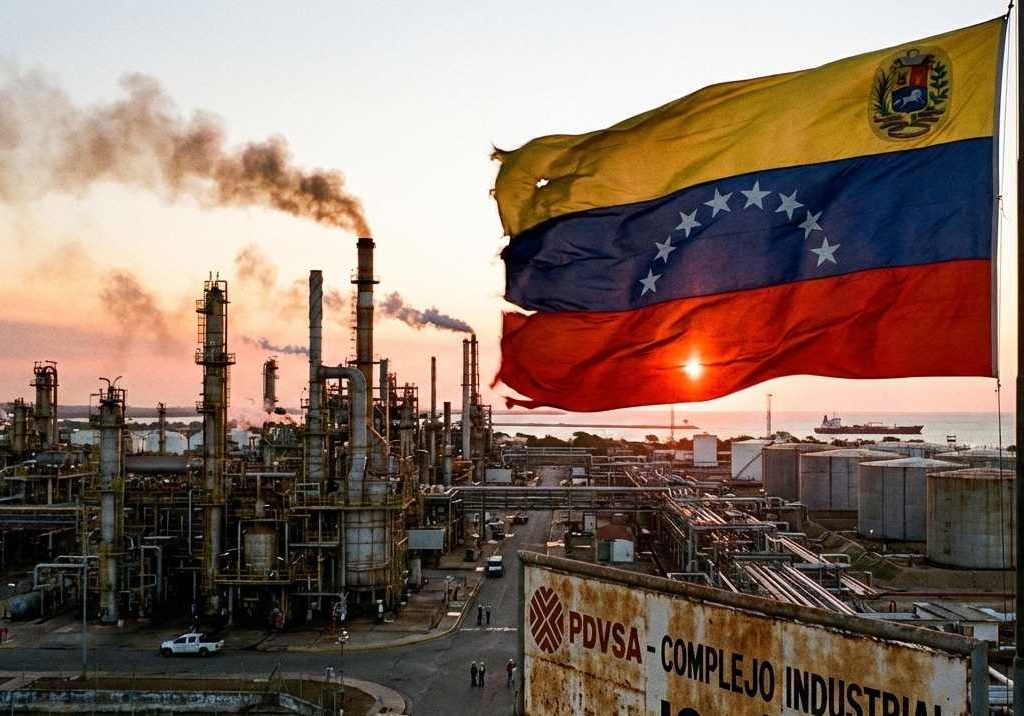
Venezuela is shipping more than 500,000 barrels a day to the United States, roughly half its total output, seven months after American forces removed Nicolas Maduro and installed an interim government in Caracas.
Some shit you should know before you dig in: Venezuela sits on the largest proven oil reserves in the world, 303 billion barrels by the EIA’s count, roughly 17% of everything proven worldwide. Decades of underinvestment, plus sanctions, had cut its actual production to about 1% of global supply. As of last December, Venezuela was pumping about 1 million barrels a day.

What’s going on now: Under Secretary of Energy Kyle Haustveit laid out the numbers at an industry event in Houston on Tuesday. “In the last couple of months, we’re seeing north of 500,000 barrels of approximately half of the production coming out of Venezuela is coming to the United States to the refineries that were built specifically for that crude,” he said. Total output is now around 1.25 million barrels a day.
The US is also feeding the production side, shipping more than 100,000 barrels a day of naphtha into Venezuela to thin the heavy crude enough to move it. Haustveit had no reservations about the arrangement. “This is a beautiful energy partnership. The distance makes sense. It’s an open market. Real value is being created on both sides of the trade. I just don’t think there’s a cleaner partnership,” he said, adding that the sanctity of contracts would be respected.
PDVSA vice president Jovanny Martinez, speaking at the same event, put the late-August target at 1.245 million barrels a day. Exports are up 19.7% over last year and fuel production 12.9%, with 5.4% more of that fuel staying inside the country.
The money is where it gets murky. Trump said after Maduro’s removal that the “money will be controlled by me” and would be used to benefit both countries. Marco Rubio later told Congress the oil revenue would sit in an account under US oversight, with Caracas filing a budget request every month and Washington deciding in advance which uses are off limits.
A July report in the Financial Times put the take from Venezuelan oil sales above $13 billion this year, and Trump responded that the real number is higher. In April, a State Department official put the amount cleared to go back to Venezuela at roughly $3 billion. Past that, the administration hasn’t said where the rest went.