Already a subscriber? Make sure to log into your account before viewing this content. You can access your account by hitting the “login” button on the top right corner. Still unable to see the content after signing in? Make sure your card on file is up-to-date.
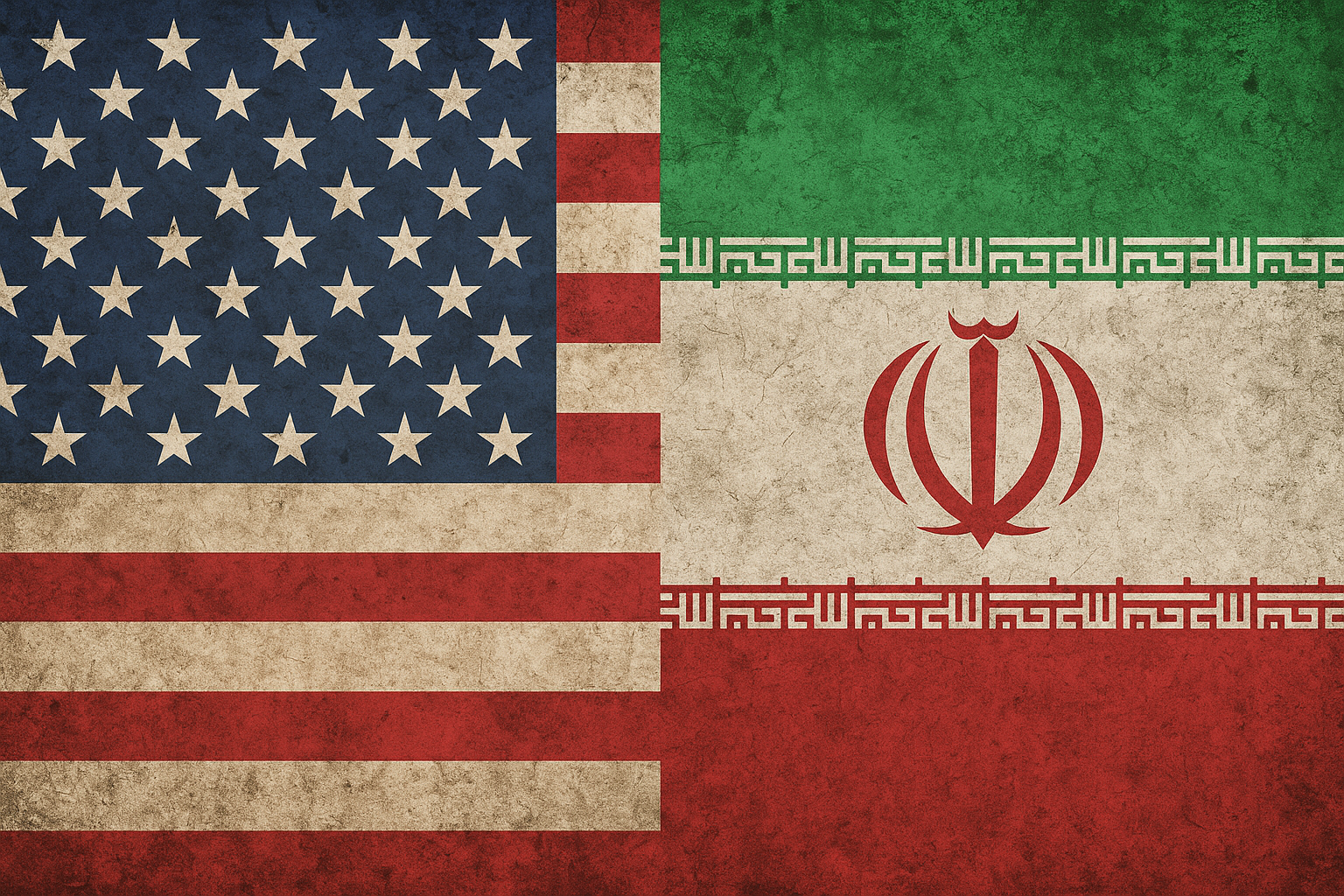
The United States has revoked a waiver that had allowed Iran to sell oil and launched new military strikes on the country, retaliating for a series of attacks on ships in the Strait of Hormuz and putting the fragile US-Iran peace deal on shaky ground.
Some shit you should know before you dig in: The oil waiver was one of the biggest concessions in the interim deal the two sides signed in June, which ended the US blockade of Iran and reopened the Strait of Hormuz. On June 21, the Treasury Department lifted sanctions to let Iran produce, deliver and sell its crude for 60 days, through August 21. That mattered enormously to Tehran, which makes about half its revenue from oil. In exchange, Iran agreed to keep the strait open and hold the line on its nuclear program while the two sides negotiated a final deal. The Trump administration has insisted the whole arrangement is “performance-based,” meaning the US can yank the concessions the moment Iran steps out of line.

What’s going on now: The Treasury Department revoked the oil license Tuesday, hours after Iran’s Revolutionary Guard struck three tankers with missiles and drones near the waterway. Buyers were given a grace period until July 17 to wind down transactions already in progress.
“Iran will only reap benefits if they exhibit good behavior,” a US official said. “Iran’s actions in the strait were wholly unacceptable to the United States and will be met with consequences. Our negotiators continue to work in good faith toward a final deal.”
Alongside the economic move, US Central Command said its forces had “begun launching a series of powerful strikes against Iran” in response to the attacks on the three commercial vessels, calling the aggression “unwarranted, dangerous, and a clear violation of the ceasefire.”

The attacks stem from a dispute over who controls passage through the waterway. The US has been routing commercial ships along a corridor it cleared near the coast of Oman, but the Revolutionary Guard warned over the weekend it would target vessels using that route, then opened fire early Tuesday on ships trying to cross.
Iran, which didn’t claim responsibility for the ship attacks, pushed back through its foreign ministry. Spokesperson Esmaeil Baghaei warned that ships sailing routes Tehran hasn’t signed off on, or messing with their tracking gear, are taking a risk.
He also claimed that Iran is holding up its end of the memo on managing the strait, and urged shipping companies not to “contradict” the agreement. An adviser to Iran’s supreme leader, Mohsen Rezaei, said it was “quite clear that the US will lead the negotiations to failure.”
Related posts:
 Updates From Middle East
 Report: US Urged Israel to Stop Strikes on Iran’s Oil Infrastructure Due to Volatile Oil Markets
 US Warplane Disables Iranian Oil Tanker Attempting to Defy Strait of Hormuz Blockade
 Trump Announces Pause to Naval Escort Operation in Strait of Hormuz, Operation Lasted One Day