Already a subscriber? Make sure to log into your account before viewing this content. You can access your account by hitting the “login” button on the top right corner. Still unable to see the content after signing in? Make sure your card on file is up-to-date.
President Trump has announced that the government will start depositing $1,000 into the first wave of “Trump Accounts,” a new federal program that puts newborn Americans into the stock market with cash already sitting in their name.
Some shit you should know before you dig in: Trump Accounts were created under last year’s One Big Beautiful Bill Act and went live July 4. Any US citizen born between 2025 and 2028 gets a $1,000 seed deposit from the government, invested automatically in a low-cost stock index fund. Older kids under 18 can open accounts too, but without the free $1,000. The money is locked up until the child turns 18, at which point the account basically turns into a regular IRA, with early-withdrawal penalties and tax on the gains. Think of it as a retirement account for babies.

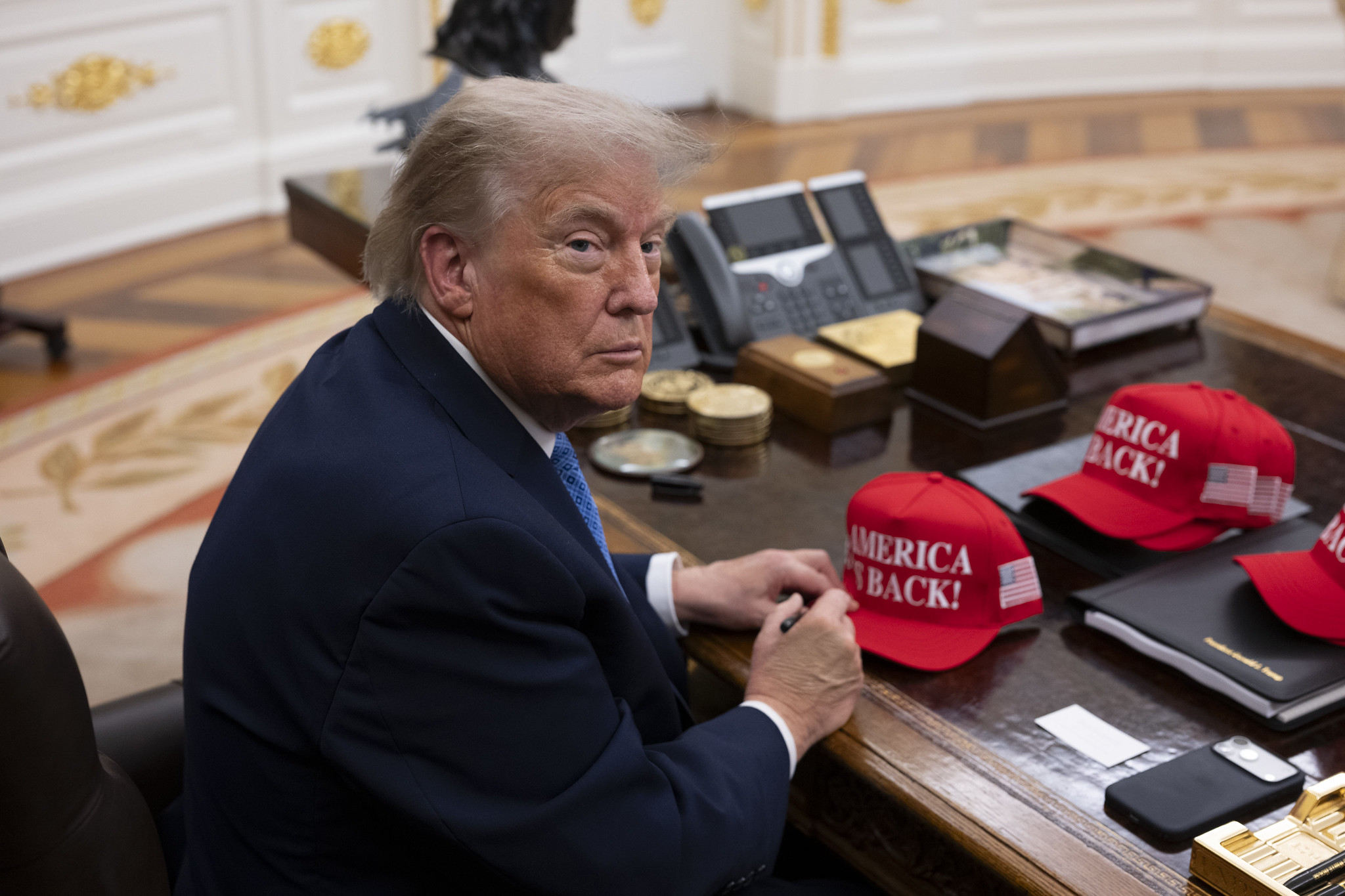
What’s going on now: Trump marked the launch at an Oval Office event Monday, saying some 6 million kids are already signed on, 1.4 million of them newborns who qualify for the government cash.
Treasury Secretary Scott Bessent said 86% of those accounts belong to families earning less than $200,000, pushing back on criticism that the program mainly benefits the wealthy. Bessent also said advisers plan to pitch Trump on a similar program for adults, modeled on Australia’s superannuation system, possibly by Labor Day.
A wave of corporate and philanthropic money is flowing in alongside the federal dollars. Michael and Susan Dell pledged $6.25 billion aimed at kids born before 2025 who miss out on the government seed, chipmaker Micron committed $250 million, and companies including JPMorgan Chase, Bank of America and Visa have promised contributions or employer matches.
SpaceX President Gwynne Shotwell said she and her husband are putting up a chunk of their company stock, enough to cover more than 2 million accounts.
Related posts:
 Updates From Middle East
 A Deep Dive: Influencers and “Independent” Journalists on Both Sides Being Paid to Advance Political Talking Points
 Global Leaders React to Assassination Attempt on Trump
 Report Reveals Surge in Fake Accounts on Social Media Platform X Attempting to Influence Presidential Election