Already a subscriber? Make sure to log into your account before viewing this content. You can access your account by hitting the “login” button on the top right corner. Still unable to see the content after signing in? Make sure your card on file is up-to-date.
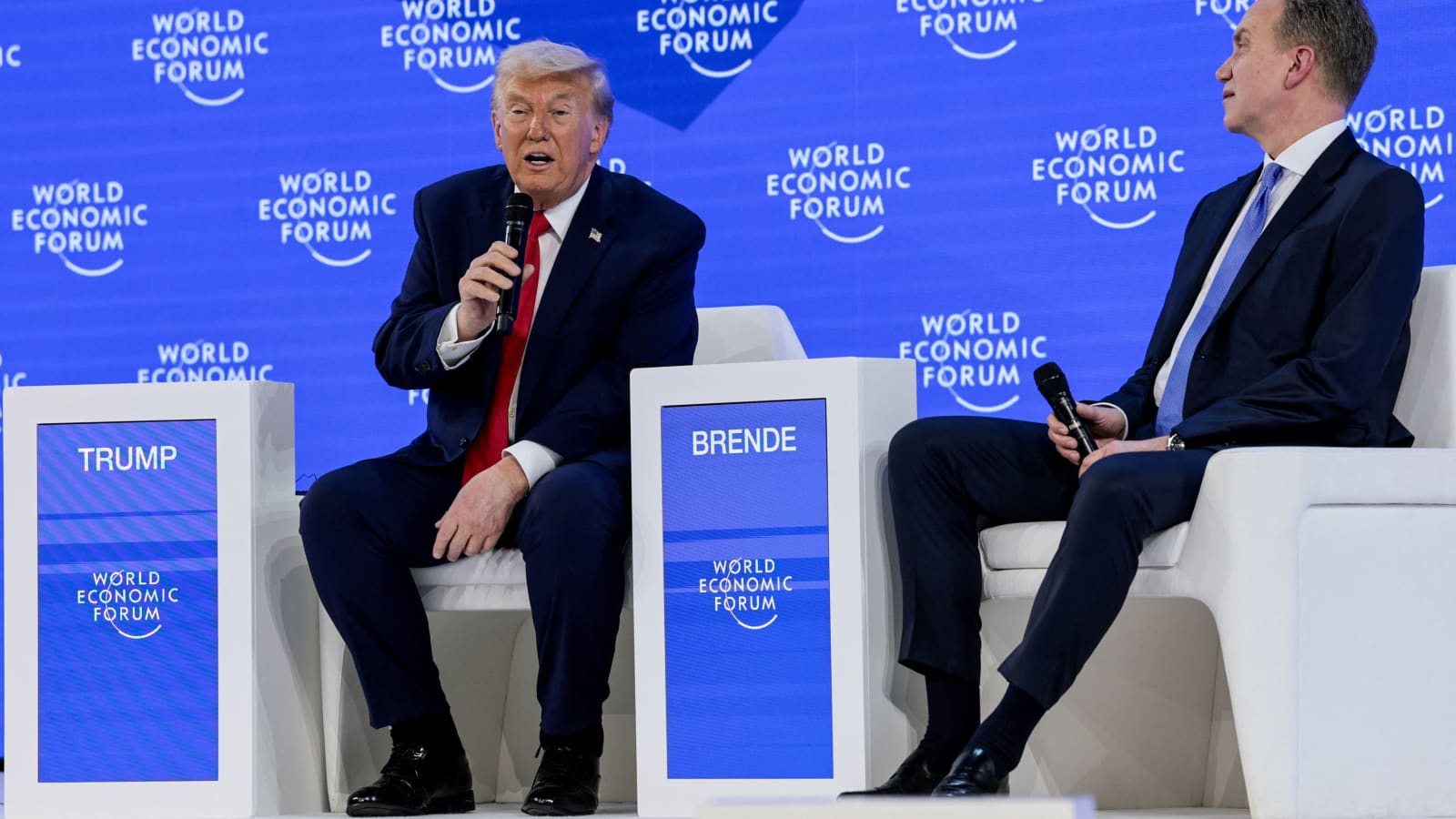
President Trump has postponed the signing of his long-awaited executive order on artificial intelligence due to concerns it could hamper US development and hand China an edge.
Getting into it: The executive order, which would have reversed the administration’s hands-off approach to AI by giving the federal government the power to evaluate new AI models before they are released to the public, was scrapped just hours before the scheduled signing ceremony. Trump told reporters in the Oval Office that he “didn’t like certain aspects of it,” framing his concern around the global competition with Beijing. “I think it gets in the way of — you know, we’re leading China, we’re leading everybody, and I don’t want to do anything that’s gonna get in the way of that lead.”
Trump added that he worried the order “could’ve been a blocker” to AI development, which he praised for “causing tremendous good” and creating jobs. The White House had only reached out to the heads of OpenAI, Google, Anthropic, Meta, and Microsoft a day before, then turned around and emailed those same guests to tell them the whole thing was getting delayed.

In its draft form, the order set up a voluntary program: AI firms would hand the government an early look at their frontier models, as much as 90 days ahead of launch, so agencies could stress-test them for dangerous capabilities and catch security holes while there was still time to patch them shut before any hacker or hostile government could get to them. It would have tasked the White House’s Office of the National Cyber Director with developing the testing process within two months, and reportedly included plans for a vault where companies and researchers could report vulnerabilities they uncovered using AI.
The push for the oversight process had been driven largely by fears about a new breed of increasingly powerful AI models, most notably Anthropic’s Mythos, the company’s most advanced model to date, which Anthropic says can dig up security flaws that have sat buried for decades across software, infrastructure, and browsers. The company has warned those discoveries could be sweeping enough to trigger a cybersecurity “reckoning.” The model’s release shocked government officials and industries like banking, leaving them nervous that the next generation of these models could surface flaws that America’s adversaries would be happy to weaponize.
Despite all of this, multiple reports indicate that former AI and crypto czar David Sacks, along with tech leaders including Elon Musk and Mark Zuckerberg, worked Trump by phone from Wednesday night into Thursday morning and warned that the vetting system could stifle innovation and cause the US to lose the AI race to China. Sacks argued that, voluntary or not, the setup could harden into something effectively mandatory, with companies feeling like they needed a thumbs-up from Washington before shipping anything. He also warned that a future administration could turn the review process into a weapon.
This all comes as officials insist the order is not dead and will likely be revisited in some form, even as questions linger over its structure.
Related posts:
 Updates From Middle East
 A Deep Dive: Influencers and “Independent” Journalists on Both Sides Being Paid to Advance Political Talking Points
 Annual US Threat Assessment Again Identifies China as Largest Threat to US National Security, Warns of Growing Military Power
 Pentagon-Affiliated Think Tank Warns of China’s Growing Presence in Africa, Cites Concerns Over Potential Military Use of 231 Commercial Ports