Already a subscriber? Make sure to log into your account before viewing this content. You can access your account by hitting the “login” button on the top right corner. Still unable to see the content after signing in? Make sure your card on file is up-to-date.
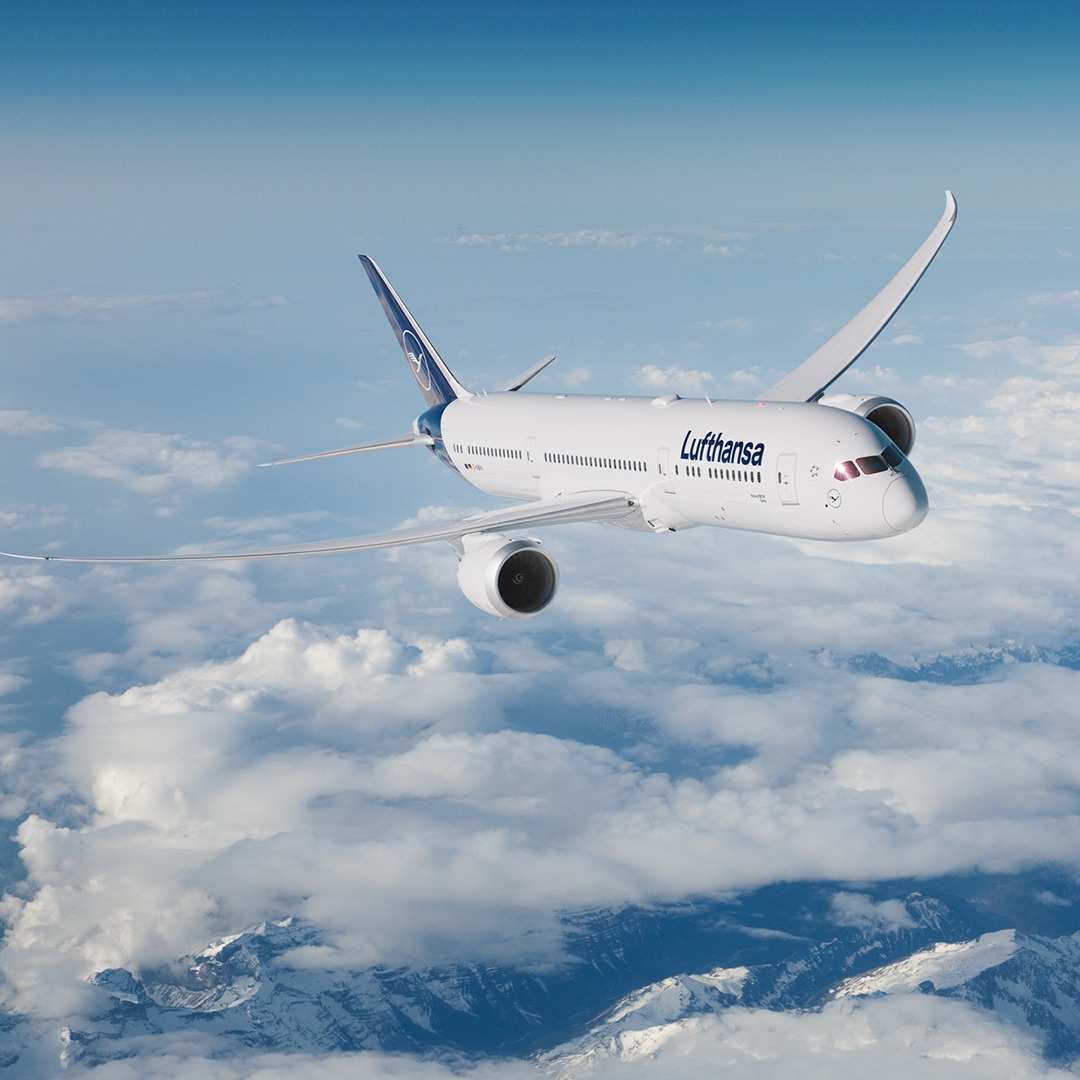
Lufthansa is pulling 20,000 short-haul flights from its schedule through October, citing jet fuel costs that have exploded since the US-Israeli war with Iran began.
Getting into it: The airline made the announcement Thursday. According to a readout, the plan is to drop routes that weren’t making money and push more traffic through Frankfurt and Munich, which the company says will conserve around 40,000 metric tons of fuel.

Prices for jet fuel have about doubled since fighting kicked off on February 28, climbing from roughly $99 per barrel to as high as $200. The main driver is the closure of the Strait of Hormuz, which Iran has kept locked off since the war started. The strait typically handles about a fifth of global oil flow and roughly 40 percent of Europe’s jet fuel imports. Airlines have been getting by on fuel from tankers that left port before Hormuz was sealed off, but industry analysts say that supply is nearly tapped.
Lufthansa isn’t the only airline feeling the pain. Ryanair has said its suppliers can only guarantee jet fuel through most of May, and KLM is cutting 160 flights from Amsterdam due to the same issue. In addition to this, Norse Atlantic canceled its London-to-Los Angeles route entirely, SAS axed at least 1,000 flights in April, and EasyJet spent an extra $34 million on fuel in March alone.
On the US side, Delta, United, and JetBlue have all raised checked baggage fees, with Delta now charging up to $50 for a first checked bag.
“Even in a best-case scenario, it’s still bad,” said EU Energy Commissioner Dan Jørgensen, who warned the war is costing Europe around $600 million per day and that the energy crisis could impact prices for months “or maybe even years.”
This all comes as IEA chief Fatih Birol warned last week that Europe has roughly six weeks of jet fuel left (meaning the peak summer travel season could face serious disruptions if the Strait of Hormuz remains closed and a peace deal fails to materialize).
As of now, there’s been no comment from the White House.
Related posts:
 Updates From Middle East
 United Airlines CEO Warns of Price Increases Due to War With Iran
 A Deep Dive: Influencers and “Independent” Journalists on Both Sides Being Paid to Advance Political Talking Points
 Annual US Threat Assessment Says Russia Has ‘Upper Hand’ in Ukraine, Circumvents Sanctions via China & BRICS Nations