Already a subscriber? Make sure to log into your account before viewing this content. You can access your account by hitting the “login” button on the top right corner. Still unable to see the content after signing in? Make sure your card on file is up-to-date.
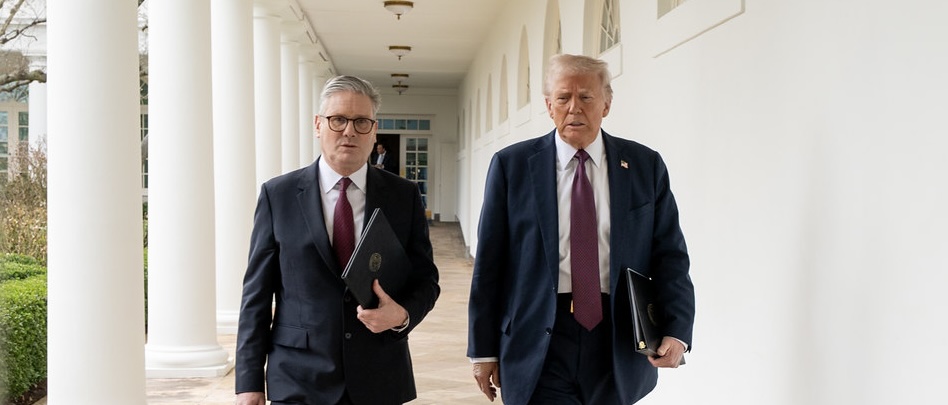
President Trump has held his first call with UK Prime Minister Keir Starmer after publicly criticizing the UK’s response to the war with Iran.
Getting into it: The phone call, which took place on Sunday afternoon, focused on the latest developments in the Middle East and ongoing military coordination between the United States and the United Kingdom. According to a Downing Street readout, the two leaders “began by discussing the latest situation in the Middle East and the military cooperation between the UK and the US through the use of RAF bases in support of the collective self-defence of partners in the region.” Starmer also expressed his “heartfelt condolences” to Trump for the deaths of American service members during the conflict, and both leaders said they looked forward to speaking again soon.

The conversation came after Trump went after the UK in a series of posts on Truth Social over the weekend. Reacting to reports that the UK was considering sending aircraft carriers to the Middle East, Trump wrote: “The United Kingdom, our once Great Ally, maybe the Greatest of them all, is finally giving serious thought to sending two aircraft carriers to the Middle East.” He added: “That’s OK, Prime Minister Starmer, we don’t need them any longer. But we will remember. We don’t need people that join wars after we’ve already won!”
Trump has intensified his criticism of Starmer in recent days as tensions between the two governments have grown over the conflict. Earlier this week, Trump said during an Oval Office meeting that he was “not happy with the UK,” and mocked the British leader by saying, “This is not Winston Churchill that we’re dealing with.” The criticism comes amid broader disagreements between the two leaders over the UK’s approach to the war and previous disputes over issues including Starmer’s decision to transfer control of the Chagos Islands to Mauritius.
Starmer has defended his government’s cautious approach, arguing that the UK would not participate in offensive strikes but would act to protect UK interests and allies. The UK initially declined to allow the US to use its bases for offensive operations against Iran, though it later permitted their use for what officials described as limited defensive purposes. Those bases include RAF Fairford in Gloucestershire and the joint US-UK facility on Diego Garcia in the Indian Ocean.
This all comes as there is a growing political debate within the UK over joining US military operations against Iran. Some critics, including former Prime Minister Tony Blair, have argued that the UK should have supported the US strikes from the start, while others have warned against deeper involvement in the conflict. Public opinion also appears skeptical: polling by Survation found 43% of Britons believe the war is not justified, and a majority supported the government’s initial decision not to allow US forces to use British bases for offensive operations.
Related posts:
 Updates From Middle East
 A Deep Dive: Influencers and “Independent” Journalists on Both Sides Being Paid to Advance Political Talking Points
 Global Leaders React to Assassination Attempt on Trump
 Trump Threatens to Cut Off All Trade with Spain After Spanish Officials Refuse US Access to Military Bases for War with Iran