Already a subscriber? Make sure to log into your account before viewing this content. You can access your account by hitting the “login” button on the top right corner. Still unable to see the content after signing in? Make sure your card on file is up-to-date.
Abbott Laboratories has agreed to pay $385 million to settle Justice Department claims that it knowingly made infant formula in conditions that risked bacterial contamination and sold it to federal and state programs.
Getting into it: The civil False Claims Act settlement covers Abbott’s plants in Sturgis, Michigan, and Casa Grande, Arizona. The government alleged Abbott made formula “in an environment that put the products at unacceptable risk of microorganism contamination and significantly impacted the products’ reliability, quality, and safety,” then sold it into programs funded by the USDA and Medicaid. The USDA’s WIC program alone covers more than half of the infant formula bought in the US.

The conditions described in the complaint are specific. Abbott put umbrellas over the leaks instead of repairing the roof, which kept water off the production lines but left the area damp enough for bacteria to thrive. The machines that dry liquid formula into powder were cracked and pitted, and Abbott pushed too many batches through them before cleaning. The department said Abbott “intentionally did not test for bacterial growth to avoid obtaining positive test results showing contamination,” and that when tests did show contamination, the company withheld the results from FDA inspectors in 2019 and 2022.
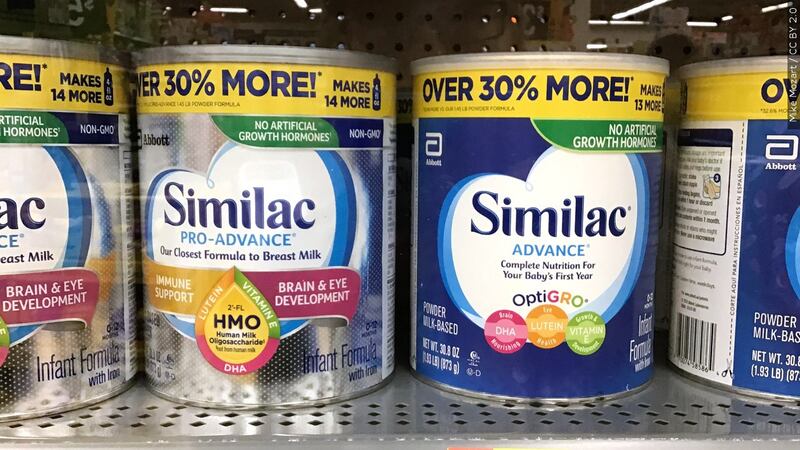
The case traces back to 2022, when four babies who drank powdered formula made at the Sturgis plant ended up in the hospital with rare bacterial infections. Two died. FDA inspectors found a dirty facility and several strains of bacteria that can kill infants. Abbott recalled several brands, including Similac, and shut the plant in February, then reopened it that June.
In a statement, Abbott said the settlement “does not represent any finding of fault or liability,” adding that regulators tested sealed containers taken from the sick infants’ homes and found no Cronobacter sakazakii, and that the bacteria has never turned up in any sealed Abbott formula the company has shipped. The company added, “Nothing matters more than the safety and quality of Abbott’s products. We make infant formula with the same care we would for our own families.”

The bigger story is the criminal case that never happened. Prosecutors wanted to bring felony charges, and Tysen Duva, the assistant attorney general who runs the Criminal Division, backed them. But senior DOJ officials blocked the case and shut down the investigation earlier this year. In February, one of those officials told CBS News the department saw a civil settlement as “the best mechanism to achieve accountability, deterrence and protection of the public.”
Sen. Adam Schiff opened a congressional inquiry into that decision in July. “If prosecuting cases involving the risk of injuries or death to premature infants are not a priority enforcement matter, I have questions about what priorities the DOJ considers worthy of pursuing,” he wrote to Attorney General Todd Blanche.
This all comes as CBS reported a string of corporate public health and safety cases softened or dropped by senior DOJ leadership, including a nonprosecution agreement with Alibaba earlier this year in which the company paid $600 million despite prosecutors believing they had evidence supporting felony charges over dangerous drugs, chemicals, and pill presses sold to American customers.