Already a subscriber? Make sure to log into your account before viewing this content. You can access your account by hitting the “login” button on the top right corner. Still unable to see the content after signing in? Make sure your card on file is up-to-date.
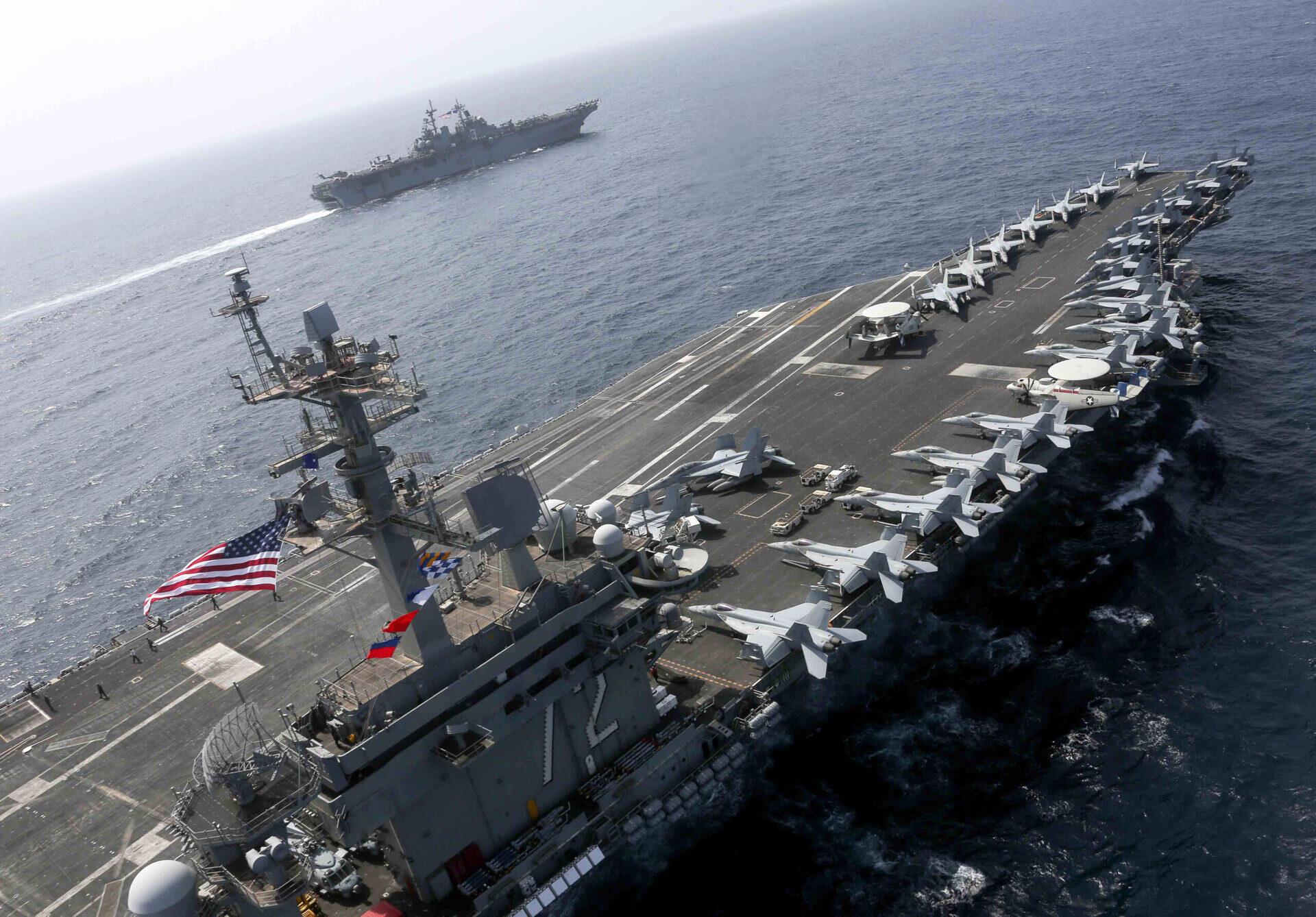
The US military has officially reimposed its blockade of Iranian ports and launched a fourth consecutive night of strikes.
Getting into it: In a series of statements from US Central Command (CENTCOM), the military said the blockade of vessels transiting “to and from Iranian ports and coastal areas” went into effect at 20:00 GMT Tuesday evening, followed by a seven-hour wave of strikes hitting dozens of targets. “US fighter aircraft, drones, and naval vessels launched precision munitions against Iranian missile and drone sites, naval capabilities, and coastal defence systems during the seven-hour wave to further degrade Iran’s ability to threaten commercial shipping and civilian crews,” CENTCOM wrote on X.

Iranian officials and state media reported strikes on Abadan, home to the Middle East’s oldest oil refinery, plus Mahshahr, Qeshm Island, Kish Island, Bushehr, Ahvaz, and Bandar Abbas, with state media saying one attack damaged a water bottling plant near the Iraqi border. Iran’s Health Ministry put the wounded count from the overnight bombing above 260, a bigger toll than any recent round. Initial reports suggest a significant strike hit Sistan and Baluchestan province, and a government spokesperson said more than 30 people have been killed over “recent days.”
For those catching up: the blockade isn’t new. Trump put it in place back in mid-April, then dropped it in mid-June, one day after the two sides inked an interim deal giving them 60 days to negotiate on issues including Iran’s nuclear program. Those negotiations have gone nowhere as the fight over the Strait of Hormuz has heated up, with Iran targeting vessels using a US-overseen route near Oman outside Tehran’s control, striking seven commercial ships in the last week and leaving nearly a dozen crew members killed, missing, or injured, per the US military.
Trump announced the blockade’s return Monday alongside a 20% fee on ships transiting the strait, then scrapped the fee hours before the blockade took effect, saying Gulf allies called and offered investment deals instead: “They said we’d love to do it a different way. We’d love to invest in the United States with billions and billions of dollars.”

Iran is firing back across the Gulf. The IRGC claimed it hit US Fifth Fleet infrastructure in Bahrain, everything from command-and-control to fuel and equipment sites, along with an American base in Kuwait, and Iran’s army said it struck the Al-Azraq Air Base in Jordan for a second time. Missile alerts have become a daily occurrence in Bahrain and Kuwait; Jordan shot down three incoming missiles; four members of Kuwait’s navy were wounded in an attack that set a building on fire; and video appears to show an Iranian drone striking an already-burning warehouse near Mina Abdullah in Kuwait, where US forces have been helping with Patriot missile defenses.
CENTCOM chief Admiral Brad Cooper said Iranian missile and drone launches against Gulf Arab neighbors now number in the dozens, adding, “US forces are holding Iran accountable for unwarranted aggression that continues to endanger innocent lives.”
The IRGC responded to the blockade by threatening to choke off energy exports from the entire region, saying, “The export of oil and gas from the region will be either for everyone or for no one.”
This all comes as Deputy Foreign Minister Kazem Gharibabadi blamed the US for killing the MoU and breaking every obligation it had under the deal, saying Tehran no longer considers itself bound by any of it, the strait included, and that Washington is wrong if it thinks a blockade will pressure Iran back into talks.
Related posts:
 Updates From Middle East
 Top Iranian Official Says Americans Will See Prices Rise if Trump Rejects Tehran’s Peace Counterproposal
 US Warplane Disables Iranian Oil Tanker Attempting to Defy Strait of Hormuz Blockade
 Iranian Official Claims US is Framing Iran by Launching Drone Attacks on Gulf Countries; US Says Iran’s Claims Are Bullshit