Already a subscriber? Make sure to log into your account before viewing this content. You can access your account by hitting the “login” button on the top right corner. Still unable to see the content after signing in? Make sure your card on file is up-to-date.
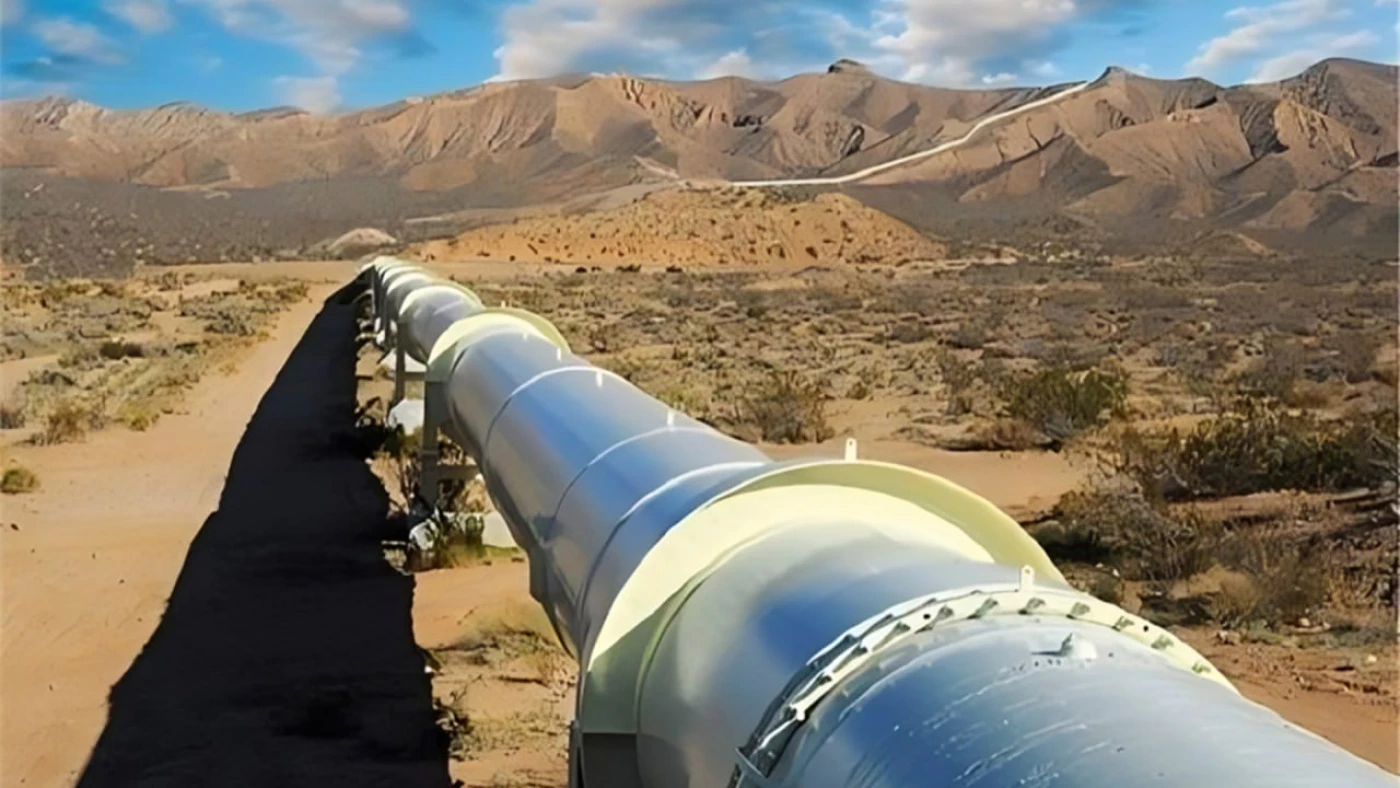
The Trump administration is backing a plan to resurrect a decades-old oil pipeline running from Iraq to Syria’s Mediterranean coast, a project designed to break Iran’s chokehold on the Strait of Hormuz.
Some shit you should know before you dig in: Back in 1952, Iraq’s Petroleum Company completed the Kirkuk-Baniyas pipeline, a roughly 500-mile line running from Iraq’s northern oilfields near Kirkuk to the Syrian coastal town of Baniyas with the ability to move about 300,000 barrels of oil per day. Its history is a mess of regional grudges: Iraq shut down the line in the 1980s over Syria’s decision to back Iran during the Iran-Iraq war, and the 2003 US-led invasion of Iraq left it heavily damaged and out of service. The ongoing US-Iran war has made reviving it a major priority. Before Iran asserted control over the Strait of Hormuz, 95% of Iraq’s oil exports moved through the strait, and its closure has been brutal for Iraq, which has cut production by 60%. This has had a serious impact on a country that relies on oil sales to fund its government operations. In an effort to make some money, Iraq has been moving small volumes of crude through Syria by truck during the war, and the country’s one major existing export pipeline runs north to Turkey’s port of Ceyhan.

What’s going on now: President Trump met Iraqi Prime Minister Ali al-Zaidi at the White House Tuesday, where the pipeline’s revival topped the agenda, with Trump saying “massive” new oil deals will be announced in the coming weeks. A State Department official confirmed the US is supporting the Iraqi-Syrian effort and expects American companies to play a role in construction.
Tom Barrack, Trump’s envoy to Syria and Iraq, has been working the deal for months, holding talks with officials from both countries and companies including Chevron, and senior Iraqi and regional officials told Middle East Eye that a formal agreement is expected to be unveiled around Zaidi’s visit, with Syrian Foreign Minister Asaad al-Shaibani expected in the US for a signing ceremony.

The project is a heavy lift. Reconstruction estimates run between $4.5 billion and $8 billion on a two-to-three-year timeline, and one regional official said the pipeline would likely need wholesale replacement including new storage tanks, pumps, and electrical systems.
There’s also concern that terrorists could attack the pipeline, as possible routes would run through areas of Iraq and Syria where ISIS has an active presence. In addition, some have speculated that Iranian-backed militias in Iraq could target the pipeline in an effort to keep Iraq from relying on moving its crude through the Strait of Hormuz, where Iran is seeking to charge tolls (a move the US says it will never allow).