Already a subscriber? Make sure to log into your account before viewing this content. You can access your account by hitting the “login” button on the top right corner. Still unable to see the content after signing in? Make sure your card on file is up-to-date.
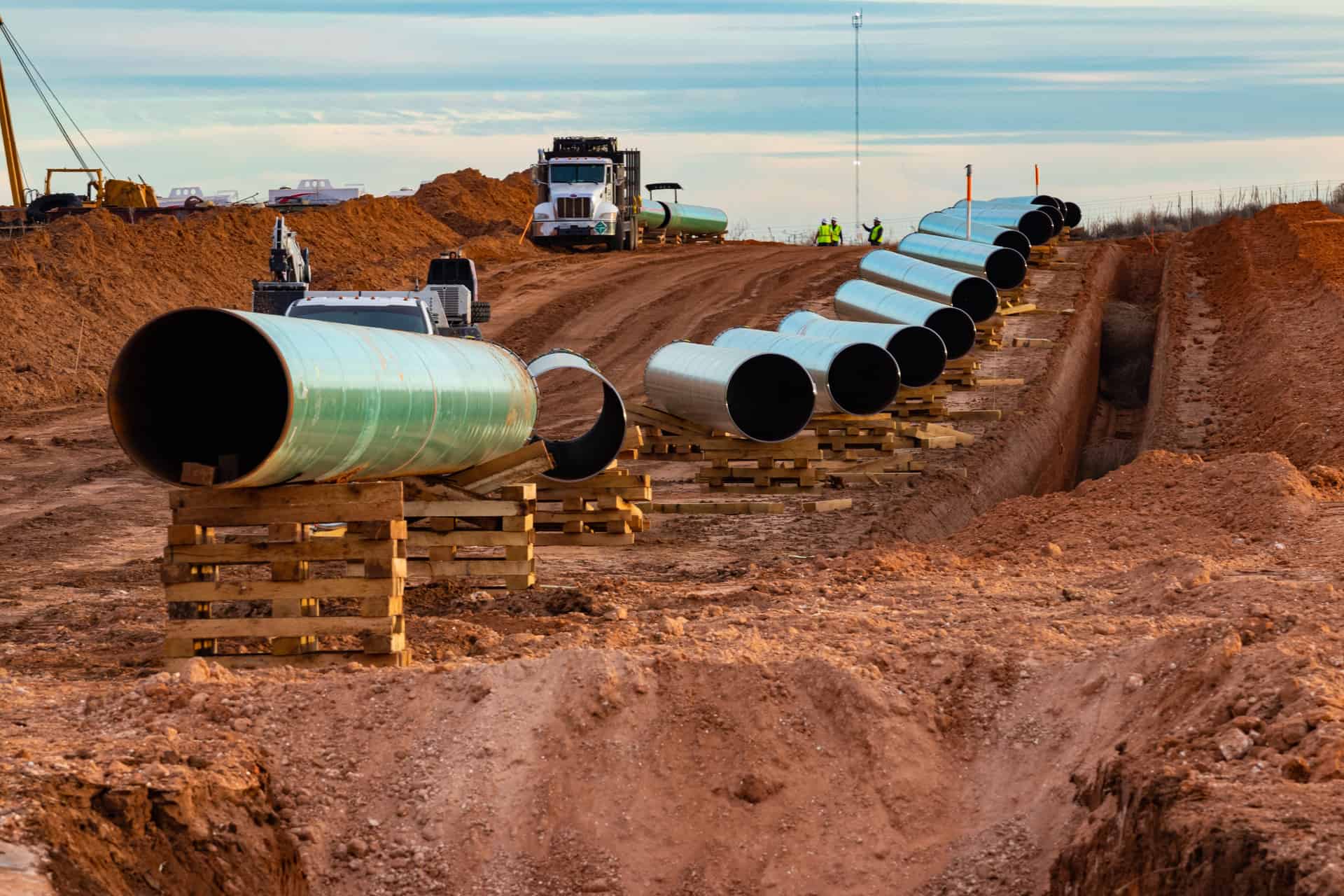
Canada has green-lit a new pipeline that could send up to a million barrels of Alberta oil a day to Asian markets through the West Coast.
Getting into it: Canadian Prime Minister Mark Carney made the announcement Thursday at a news conference in Calgary alongside Alberta Premier Danielle Smith, framing it as a public-private partnership and a response to allies wanting more Canadian energy.
“Three weeks ago, G7 Leaders called on Canada to provide the reliable energy the world needs to realise our potential as an energy superpower,” Carney said. The pipeline would follow the corridor of the existing Trans Mountain line, running from Bruderheim, northeast of Edmonton, to a deep-water port on British Columbia’s south coast.

The move is a notable reversal for Carney’s Liberal government, which is now getting behind Alberta’s yearslong campaign to sell more of its oil abroad. The shift was driven in part by President Trump’s trade war, which exposed how much Canada relies on the US as a customer. It also lands amid a separatist movement in Alberta, where an October vote will decide whether the province even holds a referendum on breaking away from Canada. A lot of separatists are furious that Ottawa has spent years treating the province’s energy industry as an afterthought.
Building it falls to the federally owned Trans Mountain Corporation, partnering with Alberta and Calgary’s Pembina Pipeline. Carney said the public money involved was an investment rather than excess spending, pointing to the existing line as profitable, though he did not disclose how much taxpayer money is going in. Both governments also pledged to sit down with First Nations (the Indigenous peoples whose land and water any pipeline would run through) and try to bring them in as full partners.
Smith, who has blamed a decade of Liberal policy under former Prime Minister Justin Trudeau for stoking resentment out west, called the project a clear national win. “There is no doubt whatsoever that this pipeline is a project that’s in the national interest, one that will help connect Alberta oil to global markets and strengthen our country’s economic future for decades,” Smith said.
Despite all of this, opposition remains fierce on the coast. Marilyn Slett, elected chief of the Heiltsuk Nation and president of the Coastal First Nations Great Bear Initiative, said the alliance will never allow oil tankers in its waters and that the project would never happen.
This all comes as Carney pitches the moves as necessary in what he called a “more dangerous and divided world,” with Canada trying to double what it ships to countries other than the US within ten years and lean less on its neighbor to the south.
Related posts:
 Canadian Separatists Submit Signatures to Force Alberta Independence Vote
 Canadian Prime Minister Calls on US to Respect Sovereignty After US Officials Meet With Separatists in Alberta
 Canadian Prime Minister Warns Albertans That Voting to Separate is a “Dangerous Bluff”
 Trump & Canada’s New Prime Minister Hold First Call