Already a subscriber? Make sure to log into your account before viewing this content. You can access your account by hitting the “login” button on the top right corner. Still unable to see the content after signing in? Make sure your card on file is up-to-date.
Dozens of Iraqi politicians, lawmakers and senior officials were rounded up in weekend raids across Baghdad.
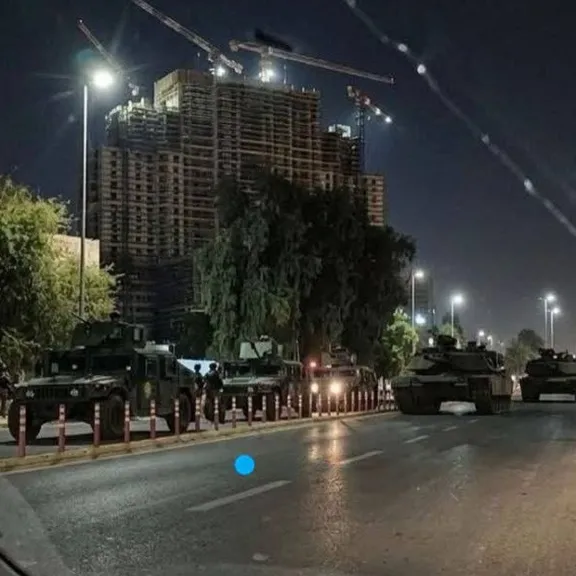
Getting into it: The raids, which began in the early hours of Sunday, were carried out by elite Counter-Terrorism Service units that swept through homes inside Baghdad’s heavily fortified Green Zone and sealed off all entrances to the compound that houses parliament, government offices and foreign embassies. State news agency INA put the number of those detained at 47 lawmakers and officials and made 15 of the names public. Arrests on this scale are rare in Iraq, and before the legislators were hauled in, the parliamentary speaker signed off on stripping their immunity.
The Federal Commission of Integrity said it was executing judicial warrants against people accused of misappropriating public funds, insisting it was all done “in full accordance with the law.”

The whole campaign was ordered by new Prime Minister Ali al-Zaidi, and some outlets traced the arrests back to Adnan al-Jumaili, a deputy oil minister picked up last month on corruption charges, who reportedly named a much wider group of officials once he started talking. This month, investigators have already pulled in around $86 million in cash connected to his case.
One of the bigger names netted was Ali Maarij, the deputy oil minister handling distribution, who the US sanctioned back in May. The accusation: he funneled Iraqi oil toward Iran and mixed Iranian crude into Iraqi exports using faked paperwork. The Oil Ministry brushed off the claims when they first surfaced. Also taken in was Muthanna al-Samarrai, leader of the Sunni Azm Alliance, along with several other lawmakers from both his bloc and the mainly Shia coalition tied to former Prime Minister Mohammed Shia al-Sudani.
A handful of the targets slipped out before forces showed up at their doors, which is part of why authorities locked down the Green Zone and widened the hunt. Government spokesman Haider al-Aboudi confirmed that arrests were still ongoing and described the campaign as part of a broader effort in which “fighting corruption remained a central pillar of (the government’s) efforts to strengthen state institutions and protect public funds.”
This all comes as Al-Zaidi, a businessman who took office in May as a consensus candidate with US backing, has promised to go after the kind of deep-rooted corruption Iraq has been buried under for decades.