Already a subscriber? Make sure to log into your account before viewing this content. You can access your account by hitting the “login” button on the top right corner. Still unable to see the content after signing in? Make sure your card on file is up-to-date.
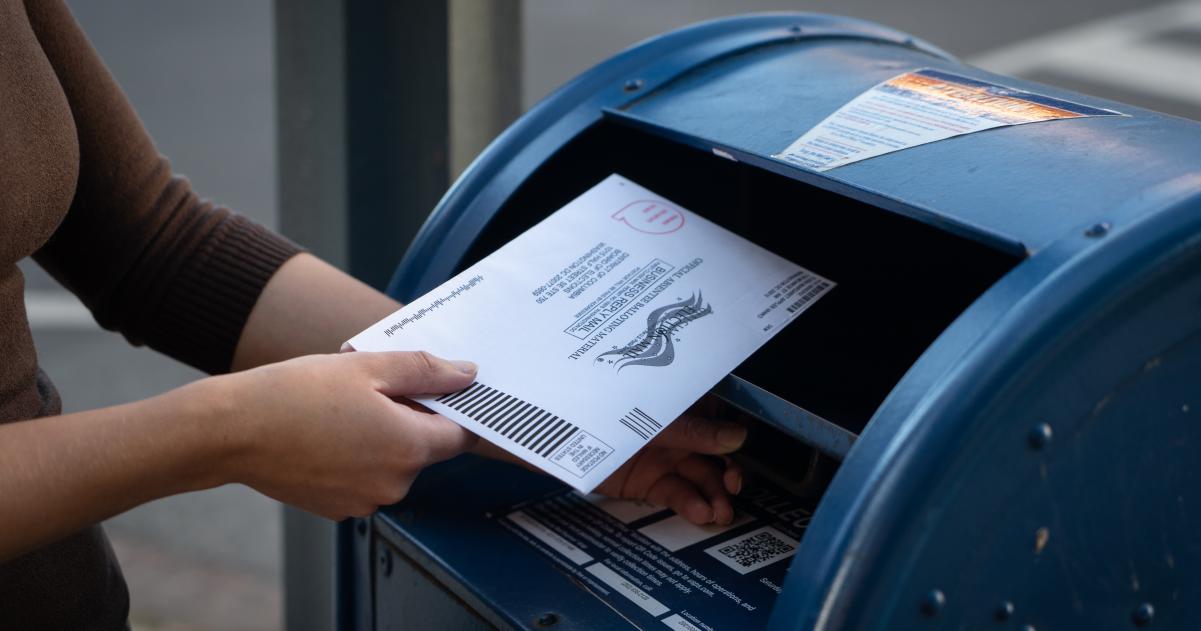
Postmaster General David Steiner has told lawmakers the US Postal Service will withhold mail-in ballots from any state that won’t turn over its voter data to federal officials.
Getting into it: Testifying before the Senate Homeland Security Committee on Wednesday, Steiner was asked directly by Senator Gary Peters whether the agency would still mail ballots if a state declined to hand over its absentee voter list. “Under our proposed regulation, no,” Steiner replied, saying the agency would tell the state it needs the “manifest” first. He defended the measure as a procedural step to ensure “the right ballots are going to the right people.”

The proposed rule stems from a March executive order in which Trump directed the Postal Service to require states to provide lists of eligible voters before federal elections, part of his long-running campaign against mail-in voting, which he claims hands Democrats an edge through fraud. The proposal would have postal workers screen ballots against state-provided lists, with anyone not on the list denied a ballot.
Democrats blasted it as an unconstitutional attempt to federalize elections, which the Constitution leaves to the states. Peters called it a “back-door way for the federal government to get voting information” and said it would “coerce” states, especially mail-heavy ones like Oregon, into compliance.
Steiner’s answer marked a reversal from earlier this year, when he told the New York Times the agency would “absolutely” keep delivering mail ballots and defer to the courts. It also clashed with a policy it put on the books last year stating the USPS “does not administer elections.” He insisted the agency would comply with any court orders, even as all 47 Senate Democrats had already signed a letter urging it to drop the plan.
This all comes as the underlying executive order faces multiple legal challenges, with a Massachusetts judge ruling last week that voting-rights groups and Democratic attorneys general can move forward, warning the order could undercut how states run their elections this November.