Already a subscriber? Make sure to log into your account before viewing this content. You can access your account by hitting the “login” button on the top right corner. Still unable to see the content after signing in? Make sure your card on file is up-to-date.
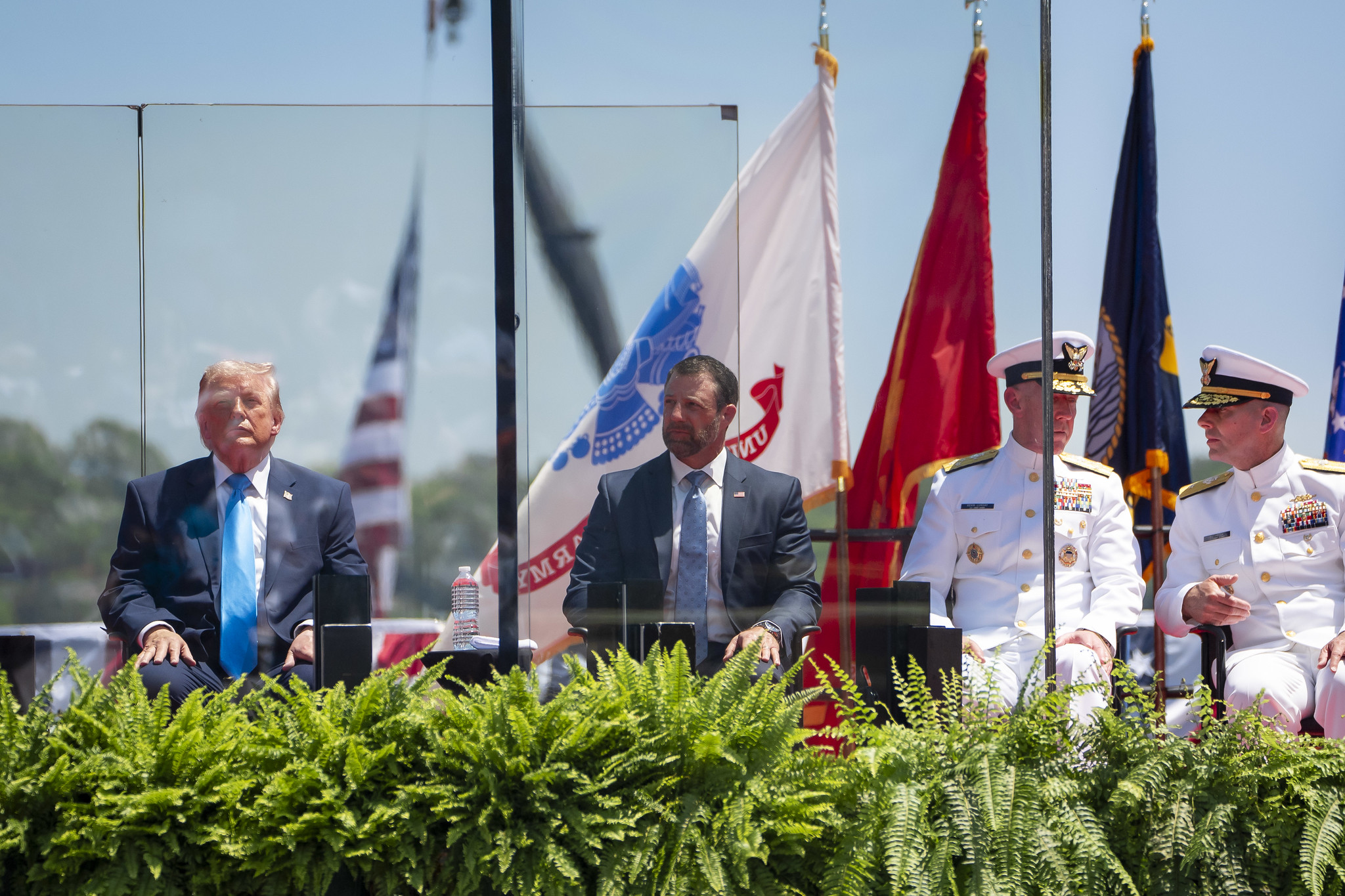
Homeland Security Secretary Markwayne Mullin has warned that the US faces its highest-ever threat level following the lapse of Section 702 of FISA.
Some shit you should know before you dig in: If you’re unaware, Section 702 of the Foreign Intelligence Surveillance Act is a foreign-intelligence authority that lets agencies like the NSA, FBI and CIA collect the emails, calls and texts of non-Americans believed to be located overseas. It’s a targeted program rather than bulk collection, and both Democratic and Republican administrations have called it indispensable, saying it feeds more than half of the president’s daily intelligence brief and has helped thwart terror plots. The catch critics seize on is that because those foreign targets often communicate with people inside the US, the program inevitably sweeps up Americans’ communications too, which the government can then search without a warrant, a so-called “backdoor search” that privacy advocates and lawmakers in both parties have long fought to require a warrant for. As of roughly two weeks ago, Section 702 expired after lawmakers could not agree on an extension.

What’s going on now: On “Fox News Sunday,” Mullin said the threat level was “the highest it’s ever been” with the surveillance power gone, pointing to the FIFA World Cup and the Freedom 250 celebrations, likening the tournament to dozens of back-to-back Super Bowls across 11 cities. He said his department still arrests terrorists “every single week” and that Section 702 lets it move in hours what may now take days, blaming Democrats for obstructing the tool.
Republicans echoed Mullin’s alarm, with Senate Majority Leader John Thune warning the lapse would “shut the lights off” on the program and put Americans at risk, Speaker Mike Johnson predicting a “serious calamity,” and House Intelligence Chair Rick Crawford calling it uncharted territory in which the collected data grows more out of date by the day.
But legal experts and many Democrats pushed back hard, noting the surveillance court recertified the program through March 2027, meaning it can keep running without Congress. The Brennan Center’s Elizabeth Goitein flatly called the notion it would go dark “a myth,” and Republican Representative Keith Self, one of 19 in his party who voted against the extension, dismissed the warnings as “scare tactics.”
This all comes as the real question, some lawmakers say, is whether tech and telecom companies keep cooperating without the legal protection the statute provides them. Senator Mark Warner called that “a high-risk proposition,” recalling that some firms threatened to stop cooperating in 2024, and Trump is weighing an executive order to restore the powers, though a White House official conceded it could not compel companies to hand over data.
Related posts:
 Updates From Middle East
 Top Democrat Threatens to Pull Support for Renewing Section 702 of FISA, Cites Kash Patel’s Position at FBI as Main Reason
House Fails to Extend FISA Spy Powers, Leaving Section 702 Set to Expire
9/11 Families Call on Congress to Renew Section 702, Which Allows for Warrantless Surveillance Capabilities
Top Democrat Threatens to Pull Support for Renewing Section 702 of FISA, Cites Kash Patel’s Position at FBI as Main Reason
House Fails to Extend FISA Spy Powers, Leaving Section 702 Set to Expire
9/11 Families Call on Congress to Renew Section 702, Which Allows for Warrantless Surveillance Capabilities