Already a subscriber? Make sure to log into your account before viewing this content. You can access your account by hitting the “login” button on the top right corner. Still unable to see the content after signing in? Make sure your card on file is up-to-date.
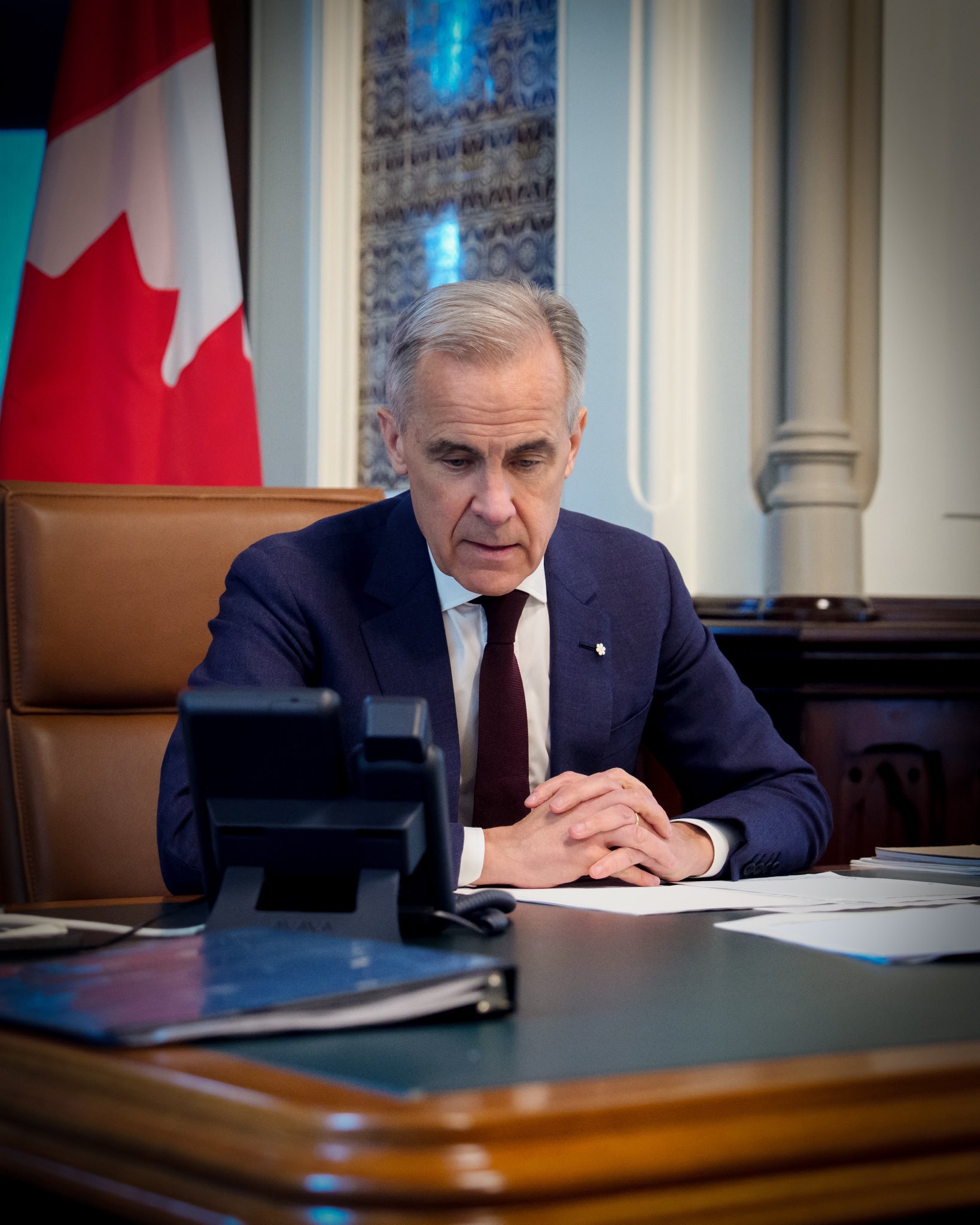
Canadian Prime Minister Mark Carney has warned that Alberta’s planned referendum on separating from Canada is a “dangerous bluff.”
Some shit you should know before you dig in: If you’re unaware, Alberta is a western Canadian province of about 5 million people that produces most of the country’s oil and gas. The push for Alberta to separate from Canada has been around for decades and is rooted in something called “western alienation,” a long-running feeling among many Albertans that the federal government in Ottawa ignores the province’s interests despite Alberta’s outsized contribution to the national economy. The movement has gained momentum this past year after the Liberal Party led by Carney won Canada’s federal election, with Albertans frustrated about blocked pipelines, canceled oil and gas projects, and federal environmental regulations they say are choking their economy. Alberta Premier Danielle Smith, who leads the United Conservative Party, has said publicly that she doesn’t personally support independence but that her government will respect a citizen-led referendum if enough signatures are collected.

What’s going on now: Speaking to reporters in Ottawa on Monday, Carney took aim at the idea, promoted by some, that voting for separation is a low-risk way to extract concessions from the federal government. “In these separation issues, it is often advanced that, ‘Vote for this and it’s a free option’… That is a very dangerous bluff.” Carney, who served as governor of the Bank of England during the 2016 Brexit referendum, said he had watched a similar gamble go badly wrong in the UK. “I saw firsthand what happened in the United Kingdom, when the view was, ‘Vote for this, it’ll be soft, and then we’ll negotiate’… They’re still 10 years later trying to undo what people didn’t think they were voting for.” The remarks were his sharpest yet on the subject, and he made clear he would be “campaigning for Canadian unity.”
The referendum, scheduled for October 19, won’t actually decide separation. Instead, it asks Albertans whether to stay in Canada or move to a second, binding vote on secession down the line. Even a “yes” vote on that later ballot wouldn’t trigger independence, since a 1998 Supreme Court ruling bars provinces from unilaterally seceding and requires negotiations with the Canadian government.
The vote traces back to a grassroots independence campaign that gathered more than 300,000 signatures, enough under provincial rules to force a referendum. A court then struck that petition down as unconstitutional, ruling that Alberta’s First Nations, who oppose separatism, had not been properly consulted. Smith pressed ahead regardless, reworking the measure into the narrower “pre-referendum” question voters will now see in October rather than the outright independence vote the activists had wanted, framing the move as honoring Albertans’ democratic rights while reiterating that she’ll personally campaign to remain in Canada.
Polling suggests the movement has grown but still falls well short of a majority, with an Angus Reid survey released Monday putting support for a secession bid at 35%, while roughly three in five would vote to stay.
This all comes as the separation fight plays out against President Trump’s trade war and his repeated threats to annex Canada as the “51st state.” Carney earlier warned the White House to stay out of it after it emerged that Alberta separatists had reached out to MAGA allies, even as Conservative Leader Pierre Poilievre (who represents an Alberta riding) vowed that “all Conservatives will be campaigning for Canadian unity.”
Related posts:
 Canadian Separatists Submit Signatures to Force Alberta Independence Vote
 Canadian Prime Minister Calls on US to Respect Sovereignty After US Officials Meet With Separatists in Alberta
 Trump & Canada’s New Prime Minister Hold First Call
Canadian Prime Minister Unveils $130 Billion Economic & Defense Plan, Seeks to Strengthen Military & Diversify Trade
Trump & Canada’s New Prime Minister Hold First Call
Canadian Prime Minister Unveils $130 Billion Economic & Defense Plan, Seeks to Strengthen Military & Diversify Trade