Already a subscriber? Make sure to log into your account before viewing this content. You can access your account by hitting the “login” button on the top right corner. Still unable to see the content after signing in? Make sure your card on file is up-to-date.
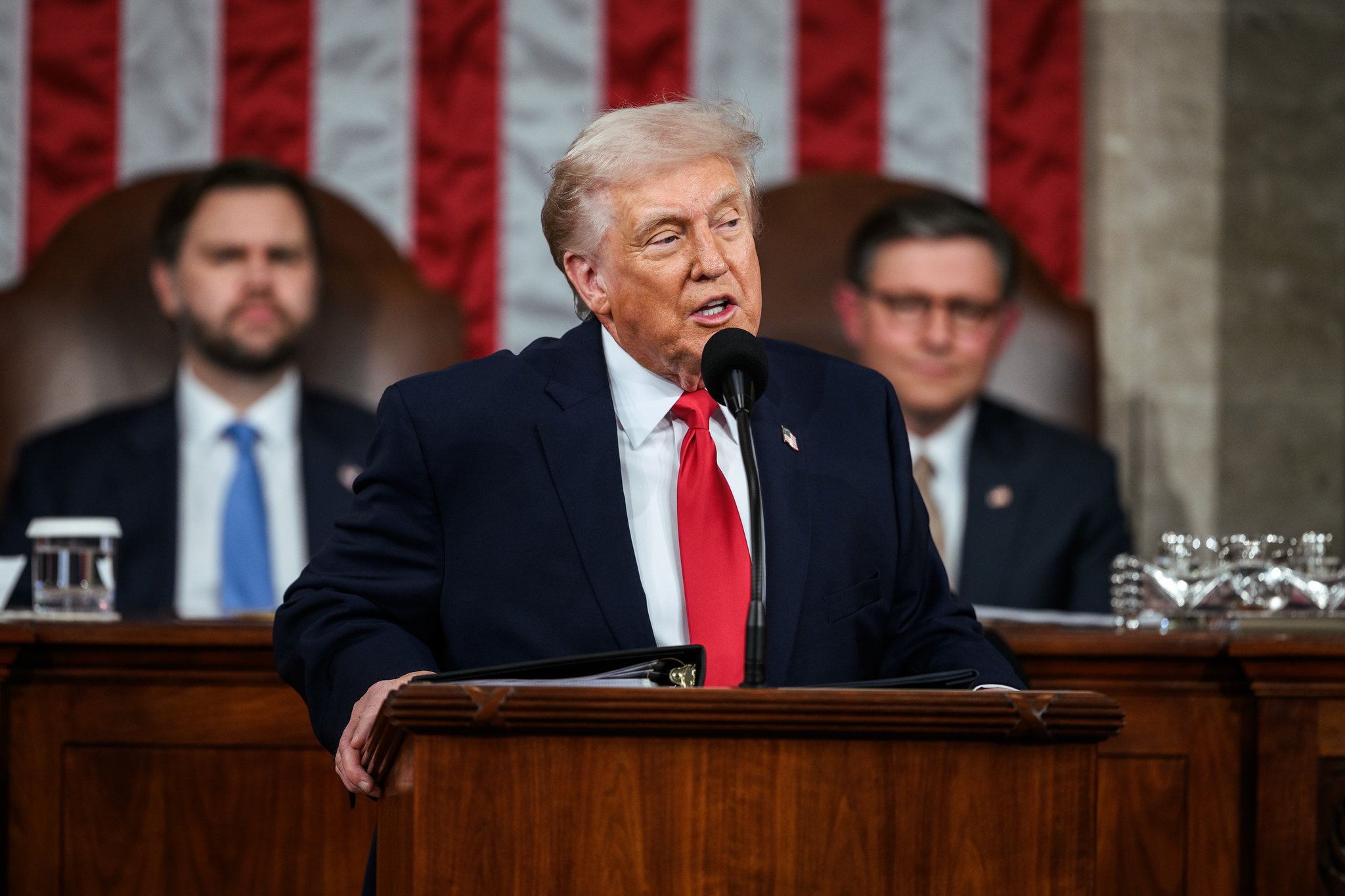
President Trump has threatened to impose 50% tariffs on any country supplying military weapons to Iran.
Some shit you should know before you dig in: If you’re unaware, Iran has historically relied on a mix of foreign suppliers (primarily Russia, China, and North Korea) to build and sustain its military capabilities, obtaining everything from fighter jets, tanks, and air defense systems to more modern assets like missile technology, drone components, semiconductors, and electronic warfare systems. Russia has provided attack helicopters, armored vehicles, rifles, advanced air defense systems like the S-300, and electronic warfare tools, while also sharing expertise and technology. China, once a major direct arms supplier, now contributes mostly dual-use technology, including missile-related materials, sensors, chips, drone components, and navigation systems, which are critical for Iran’s missile and UAV programs. Additionally, Iran has sourced or adapted weapons from countries like North Korea for ballistic missiles, artillery systems, and older armored platforms.

What’s going on now: In a statement on Truth Social, President Trump wrote, “A Country supplying Military Weapons to Iran will be immediately tariffed… 50%, effective immediately. There will be no exclusions or exemptions!” The timing is notable, coming just a day after he announced a temporary ceasefire with Iran.
Some believe the warning is primarily aimed at China, which has reportedly supplied Iran with dual-use technology like drone parts, semiconductors, and missile-related components during the conflict (claims Beijing has consistently denied). Russia, while also historically tied to Iran’s military buildup, is seen as a less immediate target in this context, partly because its resources are heavily tied up in the ongoing war in Ukraine.
At the same time, there is significant skepticism about whether Trump can even enforce such tariffs. Earlier this year, the Supreme Court struck down his use of the International Emergency Economic Powers Act (IEEPA) to impose broad tariffs, ruling that he overstepped his authority. That decision removed the most flexible legal tool he had previously relied on, and lower courts have already ordered refunds of billions collected under those tariffs.
Instead, Trump would likely have to rely on more limited and slower mechanisms (such as Section 301 or Section 232 trade laws), which require investigations, public notice periods, and narrower justifications.
As of now, there has been no comment from China.
Related posts:
 Updates From Middle East
 Annual US Threat Assessment Again Identifies China as Largest Threat to US National Security, Warns of Growing Military Power
 Pentagon-Affiliated Think Tank Warns of China’s Growing Presence in Africa, Cites Concerns Over Potential Military Use of 231 Commercial Ports
 Iran Rules out Talks with US Until Trump Drops “Maximum Pressure” Campaign