Already a subscriber? Make sure to log into your account before viewing this content. You can access your account by hitting the “login” button on the top right corner. Still unable to see the content after signing in? Make sure your card on file is up-to-date.
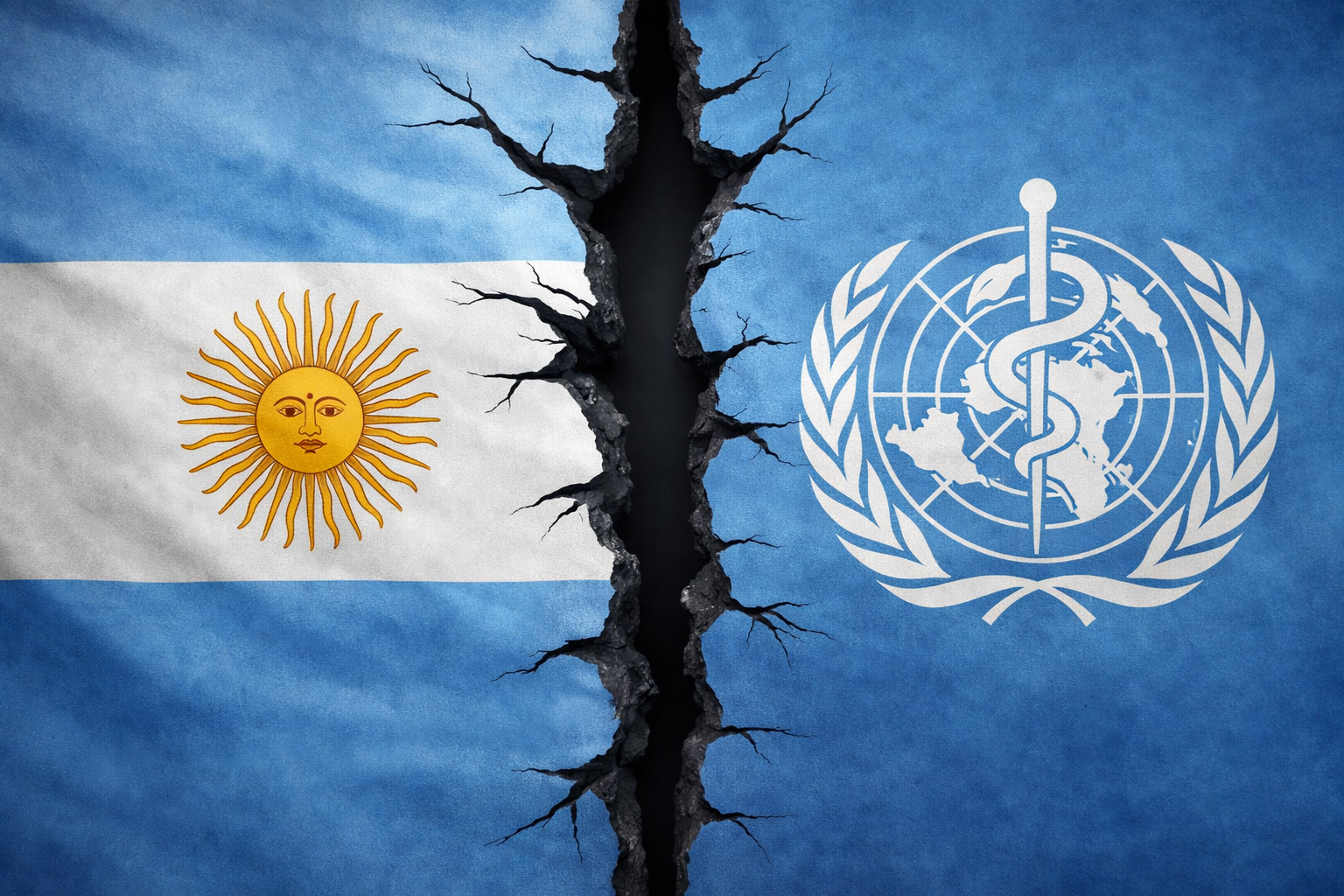
Argentina has officially joined the United States in withdrawing from the World Health Organization (WHO).
Some shit you should know before you read: If you’re unaware, the WHO is a United Nations agency responsible for coordinating global health responses, offering guidance during health crises, and supporting disease prevention, vaccination programs, and emergency response efforts across nations. President Trump repeatedly criticized the WHO during and after the COVID-19 pandemic, accusing the organization of severe mismanagement and bias, particularly in its relationship with China. Trump and his administration claimed that the WHO had accepted Chinese government data in the early stages of the outbreak and failed to challenge their lack of transparency, allowing the virus to spread globally before meaningful action could be taken. One of the most pointed criticisms was that the WHO allowed China to delay an international investigation into the origins of COVID-19 for more than a year, with WHO investigators not gaining access to Wuhan until January 2021, well after the initial outbreak. This ultimately led to the United States withdrawing from the WHO last May.

What’s going on now: In a notable development, Argentina’s foreign minister, Pablo Quirno, confirmed that the country’swithdrawal from the World Health Organization has officially taken effect, one year after formally notifying the United Nations. The government of President Javier Milei has framed the move as a step toward reclaiming full national sovereignty over health policy, arguing that Argentina should not be subject to external influence in matters affecting its population. Quirno stated that while Argentina is leaving the WHO, it will continue international health cooperation through bilateral agreements and regional partnerships that preserve its decision-making authority.
Argentine officials have justified the withdrawal largely on ideological and policy disagreements with how the WHO handled the COVID-19 pandemic. Milei has been particularly critical, accusing the organization of acting on political motivations rather than scientific evidence and describing pandemic restrictions as an overreach. Government representatives have argued that WHO-backed measures contributed to harmful domestic policies, and that exiting the organization allows Argentina greater flexibility to pursue strategies better aligned with its national interests.
Despite the accusations, the World Health Organization has defended its role as an advisory body that provides guidance rather than imposing rules on member states. WHO Director-General Tedros Adhanom Ghebreyesus has previously claimed that withdrawals weaken global cooperation and could make countries more vulnerable during future health crises.