Already a subscriber? Make sure to log into your account before viewing this content. You can access your account by hitting the “login” button on the top right corner. Still unable to see the content after signing in? Make sure your card on file is up-to-date.
Iranian military officials have announced that the Strait of Hormuz is currently unsafe for passage following US and Israeli military strikes.
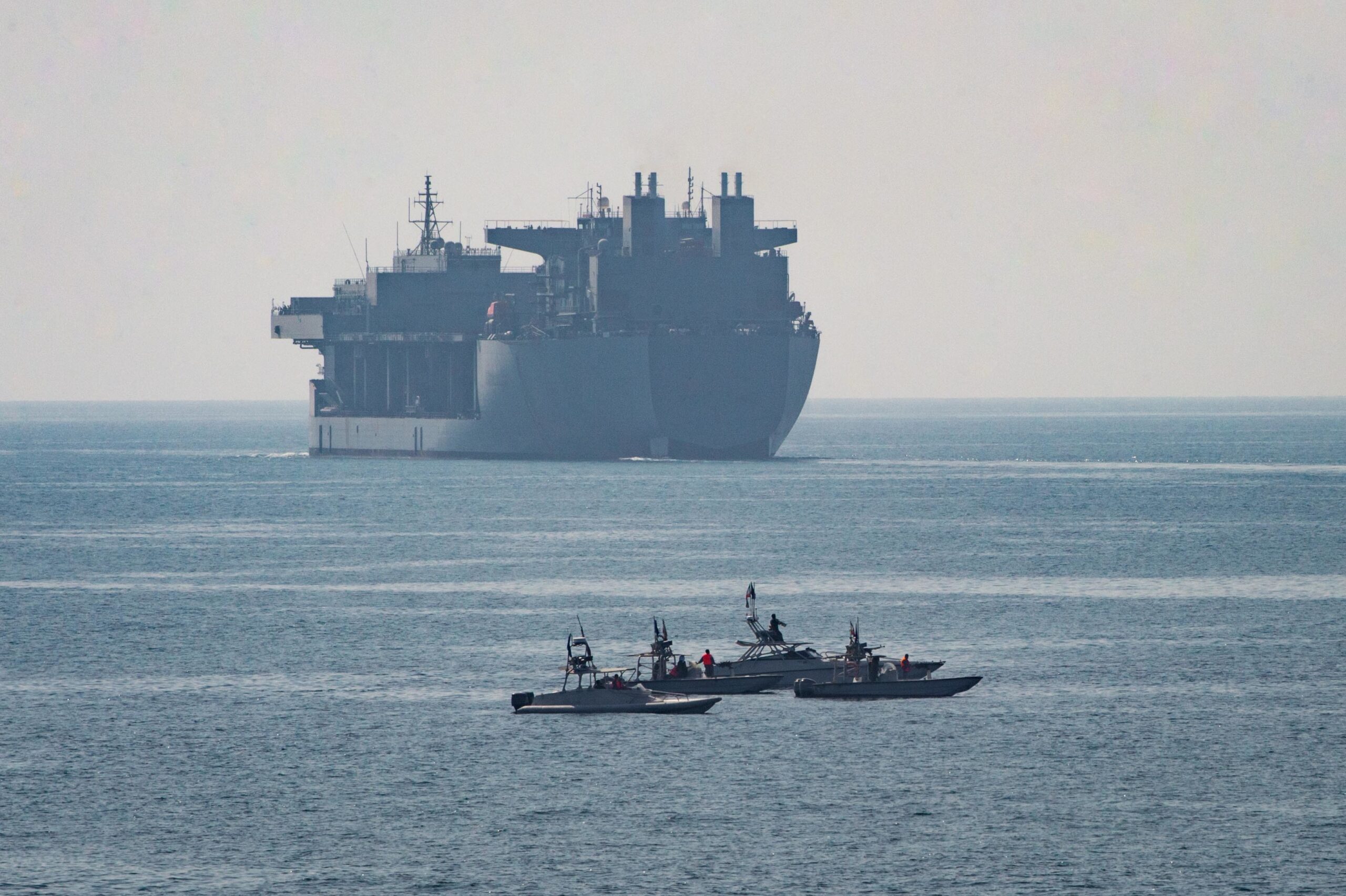
Some shit you should know before you dig in: If you’re unaware, the Strait of Hormuz is one of the most vital maritime chokepoints in the world. Located between the Persian Gulf and the Gulf of Oman, this narrow waterway, which is only about 21 miles wide at its narrowest point, handles roughly 20% of the world’s petroleum and about a third of all seaborne oil shipments. Every day, an average of roughly 100 oil tankers and merchant vessels pass through it, transporting crude oil from major producers like Saudi Arabia, Iraq, the UAE, and Kuwait to markets in Asia, Europe, and beyond. When tensions get hot with Iran, Iranian officials have occasionally threatened to close the strait, which would send global oil prices skyrocketing. In addition to this, Iran has harassed and at times seized Western vessels transiting through the strait, which has led to significant tensions between the US and Iran.
🚨🚨🚨 THE IRGC HAS OFFICIALLY ANNOUNCED THE CLOSURE OF THE STRAIT OF HORMUZ
— Iran Observer (@IranObserver0) February 28, 2026
AUDIO 👇 pic.twitter.com/j0LEPVD0Tt
What’s going on: In a notable development, Iran’s military has announced the closure of the Strait of Hormuz. In a radio recording, an official said “all ships navigating through the Strait of Hormuz” are “not allowed.” The military official said, “From now on, all navigation through the Strait of Hormuz is prohibited.” In addition to this, Iranian state-linked media reported that ships should avoid the area due to ongoing military operations and the risk of retaliatory strikes.
The warnings come as maritime traffic in and around the strait has slowed considerably. Multiple oil and liquefied natural gas tankers have paused their transits, idling near the Gulf of Oman or remaining inside the Persian Gulf rather than risking transit. Ship-tracking data shows vessels stacking up at both the eastern and western approaches to the strait, with some diverting toward ports in Qatar or the United Arab Emirates.
For now, there is no confirmed military blockade, and US officials have said they see no evidence that Iran has physically closed the waterway. More to come.
Related posts:
 Updates From Middle East
 US Warns American-Flagged Vessels to Avoid Iranian Waters While Transiting the Strait of Hormuz; Cites Harassment Concerns from Iran’s Military
 US Warns Iran Against “Unsafe & Unprofessional” Military Behavior Ahead of Drills in Strait of Hormuz
 US Slaps Sanctions on Multiple Companies Allegedly Tied to Iran’s Oil & Petrochemical Industry