Already a subscriber? Make sure to log into your account before viewing this content. You can access your account by hitting the “login” button on the top right corner. Still unable to see the content after signing in? Make sure your card on file is up-to-date.
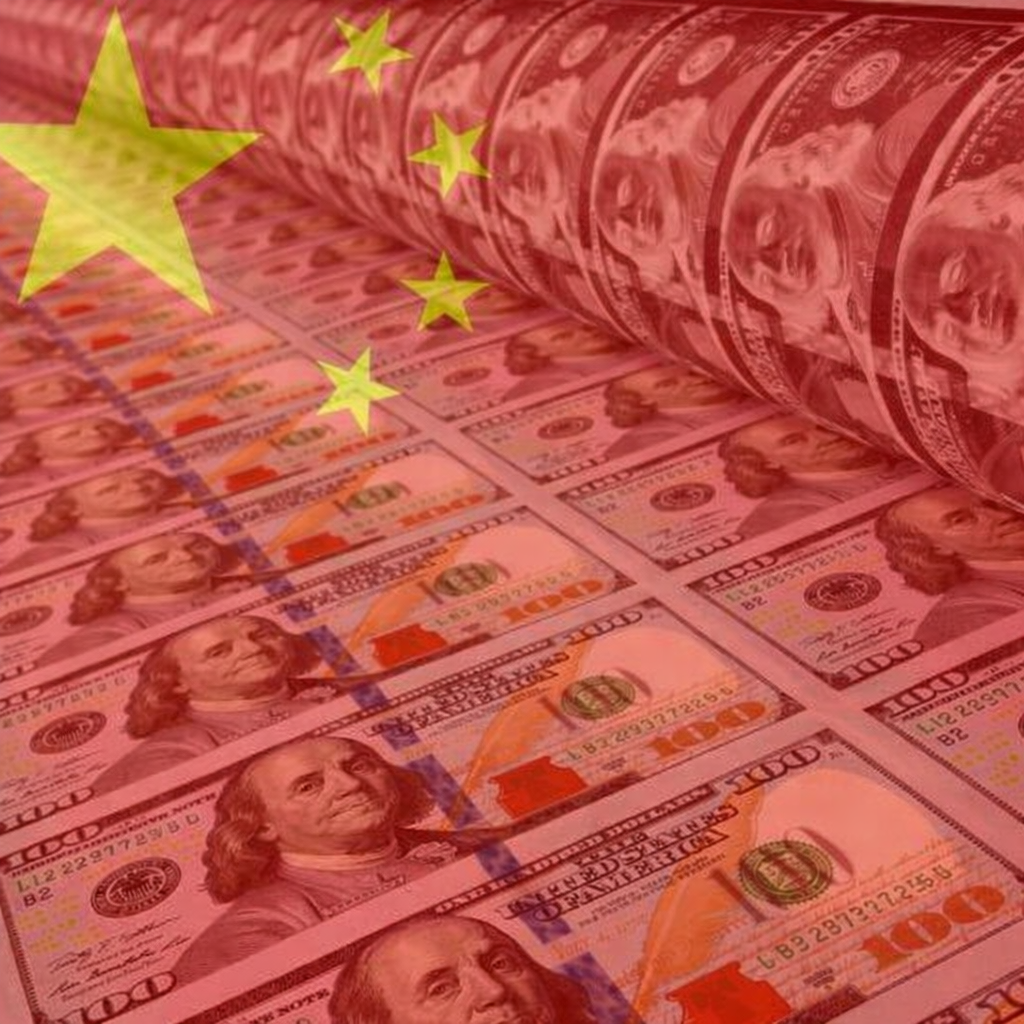
Chinese officials have reportedly directed major financial institutions to reduce their holdings of US Treasuries.
Some shit you should know before you dig in: In case you didn’t know, the United States borrows money by selling something called Treasury bonds (these are basically IOUs that promise to pay back the money later with a little interest). Countries like China buy these bonds as a way to safely store their extra money and earn some interest. When China buys a lot of these bonds, it’s essentially lending money to the US government. Over time, as the US keeps spending more than it makes (running a deficit), it sells more bonds to cover the gap (which means it owes more money to bondholders like China). So when people say “China owns a shitload of US debt,” it means China (Chinese banks and businesses) is one of the largest lenders to the US through the Treasury bonds it has bought.

What’s going on now: First reported by Bloomberg, Chinese regulators have recently told some of the country’s biggest banks to pump the brakes on buying US Treasury bonds. This wasn’t some official memo; it was delivered verbally and quietly, according to people familiar with the matter. The move is aimed at reducing what’s called concentration risk (basically, the risk of having too much money tied up in one kind of investment that might suddenly lose value if things go sideways in the market).
As of late 2025, Chinese banks held around $298 billion in US dollar-denominated bonds, although it’s unclear exactly how much of that was in US Treasuries. Overall, China’s total holdings of US Treasuries (including government-owned holdings) stood at about $888.5 billion in November, down from a peak of over $900 billion just a few months earlier.
This all comes at a time when the US dollar is already under pressure and some international investors are raising concerns about America’s rising debt levels and broader economic direction. It also follows a phone call between President Trump and Chinese President Xi Jinping. According to the report, the guidance to banks actually came before that call.
Related posts:
 Updates From Middle East
 Annual US Threat Assessment Again Identifies China as Largest Threat to US National Security, Warns of Growing Military Power
 A Deep Dive: Influencers and “Independent” Journalists on Both Sides Being Paid to Advance Political Talking Points
 Pentagon-Affiliated Think Tank Warns of China’s Growing Presence in Africa, Cites Concerns Over Potential Military Use of 231 Commercial Ports