Already a subscriber? Make sure to log into your account before viewing this content. You can access your account by hitting the “login” button on the top right corner. Still unable to see the content after signing in? Make sure your card on file is up-to-date.
The US has officially transferred more than 2,000 ISIS detainees from Kurdish-controlled prisons in northeastern Syria to Iraqi custody.
Some shit you should know before you dig in: If you’re unaware, Syria’s new government under President Ahmad al-Sharaa has been steadily reclaiming territory in the country’s northeast, previously controlled by the Kurdish-led Syrian Democratic Forces (SDF). This shift in power, compounded by violent clashes between Syrian government troops and the SDF, led to serious instability around prisons holding ISIS detainees and ultimately contributed to one mass prison escape on January 20th. Amid increasing US pressure, a ceasefire was brokered to de-escalate the conflict, and a trilateral agreement between the US, Iraq, and Syria was established to relocate the detainees to more secure facilities in Iraq.

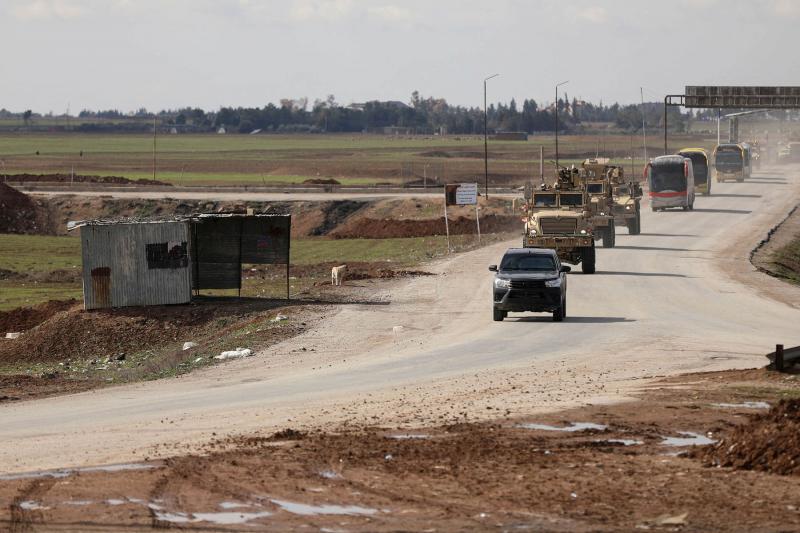
What’s going on now: The US has transferred more than 2,250 ISIS detainees from Kurdish-controlled prisons in northeastern Syria to fortified detention facilities in Iraq, as part of a broader operation to relocate up to 7,000 suspected ISIS terrorists. Alongside Iraqi forces and the international coalition, the transfers are being executed by land and air under heavy security, with convoys and aircraft moving detainees across the border. Once in Iraq, prisoners are being housed in detention centers while specialized teams classify them by threat level and begin collecting confessions under direct judicial supervision.
Legal proceedings are already underway, with Iraq’s judiciary opening investigations into 1,387 of the transferred detainees, assigning their cases to the First Karkh Investigative Court in Baghdad, a court designated for terrorism-related cases. The court has added more judges, prosecutors, and administrative personnel to handle the caseload efficiently. Investigators are also working from a national database cataloging ISIS crimes between 2014 and 2017, including genocide, chemical attacks, and other atrocities against the Yazidi community.
Iraqi officials have vowed that all suspects will be prosecuted under Iraqi law and that repatriation of foreign detainees will only begin after legal proceedings are complete.
Despite this, human rights organizations have raised concerns that Iraq’s justice system may not be equipped to deliver fair trials at this scale, citing past abuses such as torture, lack of legal representation, and rushed court sessions resulting in mass death sentences.
In response, Iraq’s National Center of Justice has rejected the criticisms, stating that torture is a punishable crime under Iraqi law and that the judiciary strictly adheres to constitutional safeguards, including the right to a defense and legal appeals.