Already a subscriber? Make sure to log into your account before viewing this content. You can access your account by hitting the “login” button on the top right corner. Still unable to see the content after signing in? Make sure your card on file is up-to-date.
According to a top US lawmaker, internal FBI and DOJ communications reveal that the FBI did not believe it had sufficient probable cause to conduct the 2022 search of President Donald Trump’s Mar-a-Lago estate.
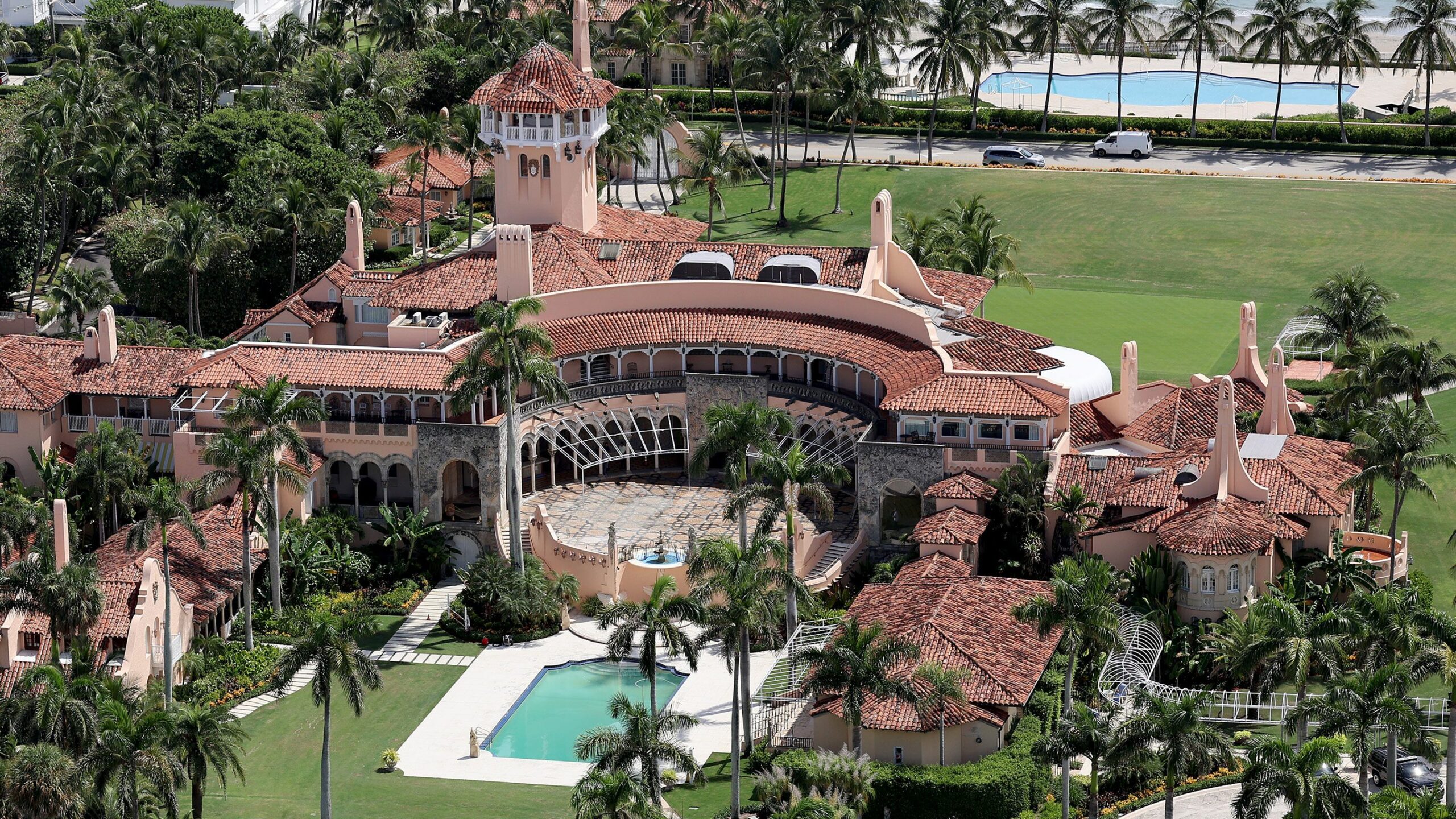
Some shit you should know before you dig in: Back in 2022, the FBI executed a search warrant at President Donald Trump’s Mar-a-Lago estate in Palm Beach, Florida, as part of an investigation into the alleged improper retention of classified government documents. Agents were authorized to seize any materials related to national defense information, classified documents, or US government records. During the raid, they searched multiple areas of the estate, including Trump’s office, storage spaces, and even the First Lady’s bedroom. Ultimately, over 300 documents marked as classified were recovered, some of which were later subject to legal disputes over attorney-client and executive privilege. The search led to a series of federal charges against Trump, which were later dismissed following his re-election.

Getting into it: The revelations were made by Senator Chuck Grassley (R-IA), who released internal emails and memos exchanged between FBI agents and Department of Justice officials from June to August 2022. These documents show that the FBI’s Washington Field Office consistently expressed doubt about whether the legal threshold for probable cause had been met. One assistant special agent in charge stated that “very little has been developed related to who might be culpable for mishandling the documents,” while others raised concerns that the information they had was “single source,” “not corroborated,” and potentially “dated.” As a result, the FBI recommended less aggressive alternatives, such as further cooperation with Trump’s legal team, particularly attorney Evan Corcoran, who had previously facilitated the return of classified records.
Despite the FBI’s repeated objections, the DOJ pressed forward, insisting that the standard for probable cause had been met. The department pushed for a broad warrant covering Trump’s residence, office, and storage areas at Mar-a-Lago. Internal messages show the FBI was hesitant about this scope, with one top DOJ official acknowledging discomfort about limiting the warrant because agents were unsure where the boxes had been moved. Emails also indicate that DOJ attorneys were adamant about not extending deadlines or making accommodations for voluntary compliance. A senior DOJ official, George Toscas, was quoted by FBI personnel as saying he “frankly doesn’t give a damn about the optics.”
Senator Grassley called the documents “shocking” and pointed to them as evidence of a “miscarriage of justice.” Other Republican lawmakers echoed that sentiment, suggesting the DOJ’s actions were politically motivated. FBI Director Kash Patel confirmed on social media that the documents showed the FBI had communicated its lack of probable cause to the DOJ, but the department “didn’t give a damn and did it anyway.”
Patel went on to accuse the Biden administration of weaponizing law enforcement and noted that the disclosures show the DOJ ignored its own investigators in order to pursue the search of a former (and then future) president.
There has been no comment from former Attorney General Merrick Garland, Deputy AG Lisa Monaco, or former FBI Director Christopher Wray.
Related posts:
 Updates From Middle East
 Top FBI Official from NY Field Office Says He Was Forced to Resign After Defending Agents Who Investigated January 6 Cases
 A Deep Dive: Influencers and “Independent” Journalists on Both Sides Being Paid to Advance Political Talking Points
 More Lawmakers Call for DOJ to Be More Transparent on Jeffrey Epstein Case