Already a subscriber? Make sure to log into your account before viewing this content. You can access your account by hitting the “login” button on the top right corner. Still unable to see the content after signing in? Make sure your card on file is up-to-date.
A Bulgarian court has shot down Lebanon’s request to extradite a Russian shipowner tied to the deadly 2020 Beirut port explosion.
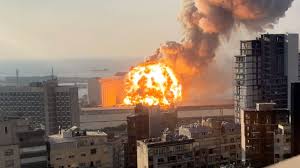
Some shit you should know before you dig in: Back in August 2020, Beirut was rocked by one of the most powerful non-nuclear explosions in history when nearly 3,000 tonnes of ammonium nitrate, improperly stored in a port warehouse for years, detonated following a fire. The blast killed at least 218 people, injured over 6,500, and left around 300,000 residents homeless. Estimates put the property damage in Beirut to roughly $15 billion. The explosion was so massive itregistered as a 3.3 magnitude seismic event, with shockwaves felt as far as Syria, Israel, and Cyprus.

What’s going on now: In a notable development, a Bulgarian court formally rejected Lebanon’s bid to extradite Igor Grechushkin (a Russian shipowner tied to the ammonium nitrate that ultimately blew up Beirut). Lebanon has accused Grechushkin of criminal negligence for abandoning the Rhosus, the ship that delivered the explosive cargo to the port in 2013. Prosecutors argue that his failure to reclaim the vessel or properly secure the dangerous material directly contributed to the chain of events that led to the disaster that leveled entire neighborhoods.
Bulgarian judges, however, ruled that Lebanon’s request didn’t meet the legal standards required for extradition, pointing to procedural flaws and concerns over whether Grechushkin would receive fair treatment under Lebanon’s judicial system. The court also cited questions surrounding the charges themselves, noting inconsistencies and insufficient evidence tying Grechushkin’s decisions to a prosecutable offense under Bulgarian or European law.
While Grechushkin has long denied wrongdoing (insisting he lost control of the ship due to bankruptcy and had nothing to do with how Lebanese officials handled the cargo afterward), Lebanese authorities argue his negligence set the disaster in motion.
Related posts:
 Updates From Middle East
 A Deep Dive: Influencers and “Independent” Journalists on Both Sides Being Paid to Advance Political Talking Points
 Pentagon-Affiliated Think Tank Warns of China’s Growing Presence in Africa, Cites Concerns Over Potential Military Use of 231 Commercial Ports
 Israel Carries out Strike in Lebanon Killing Senior Hezbollah Official