Already a subscriber? Make sure to log into your account before viewing this content. You can access your account by hitting the “login” button on the top right corner. Still unable to see the content after signing in? Make sure your card on file is up-to-date.
A Saudi national working as an engineer at OpenAI has been arrested and charged with planting a hidden recording device in an executive conference room at the company’s San Francisco offices.
Getting into it: Abdulrahman Alfozan, 35, joined OpenAI as an engineer in July 2025. According to a federal complaint unsealed Tuesday, he spent weeks using an internal AI tool to ask about the company’s meeting rooms, where executives work and when outside partners come in, while a chatbot account linked to his spouse asked how to build a “continuous audio recorder” that could be accessed remotely.
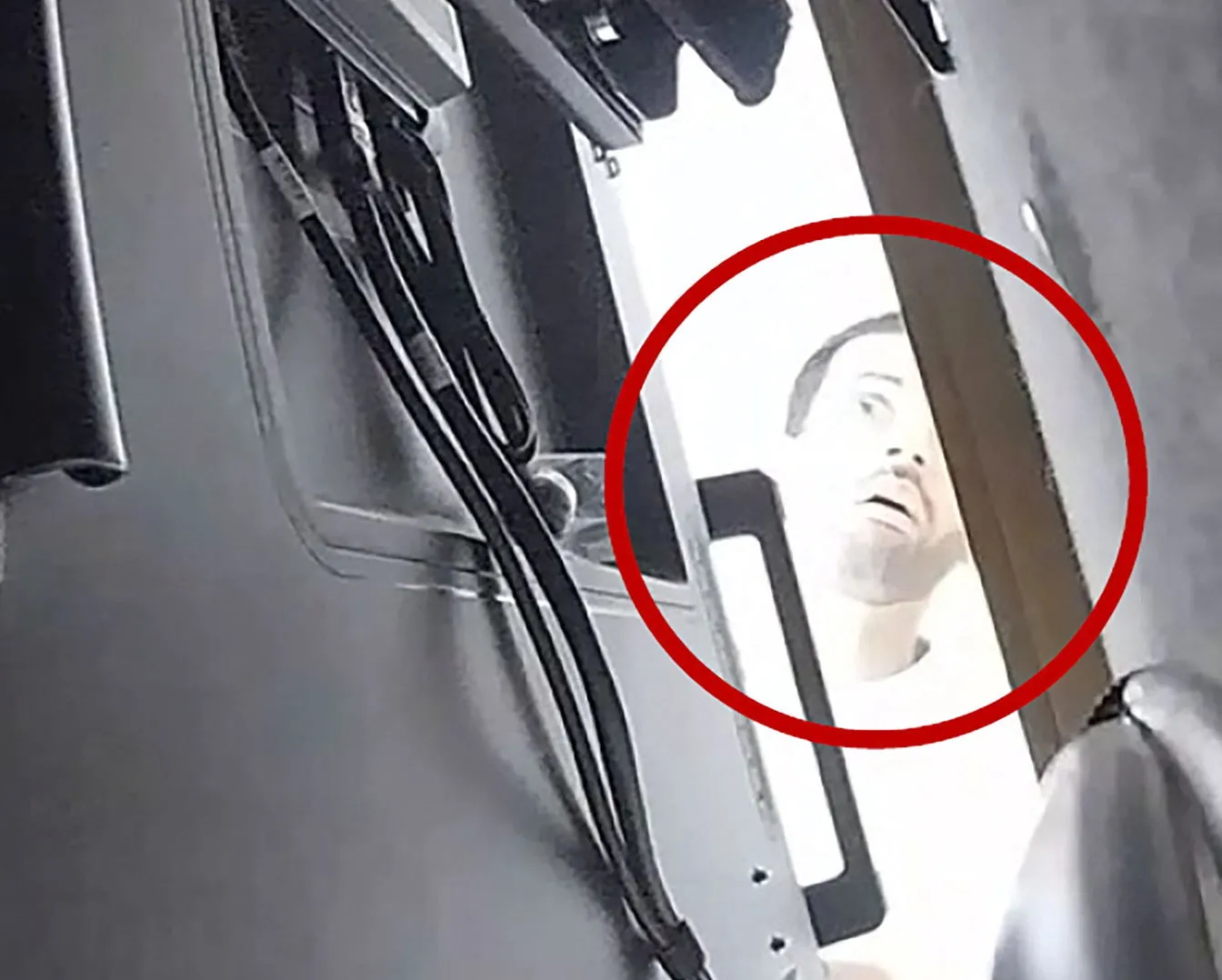
On Sept. 30, OpenAI staff found a thumb-sized recording device wrapped in toilet paper and plugged into the back of a TV in an executive conference room, a room used for meetings on confidential research, product plans and government deals that Alfozan had no authority to enter. Security footage showed him hanging around outside the room eight times that month. OpenAI then set up a hidden camera, which caught him walking into the room on Oct. 5 and checking behind the TV. That same day, security found a bag he left behind with his wallet, ID and a second recording device inside.
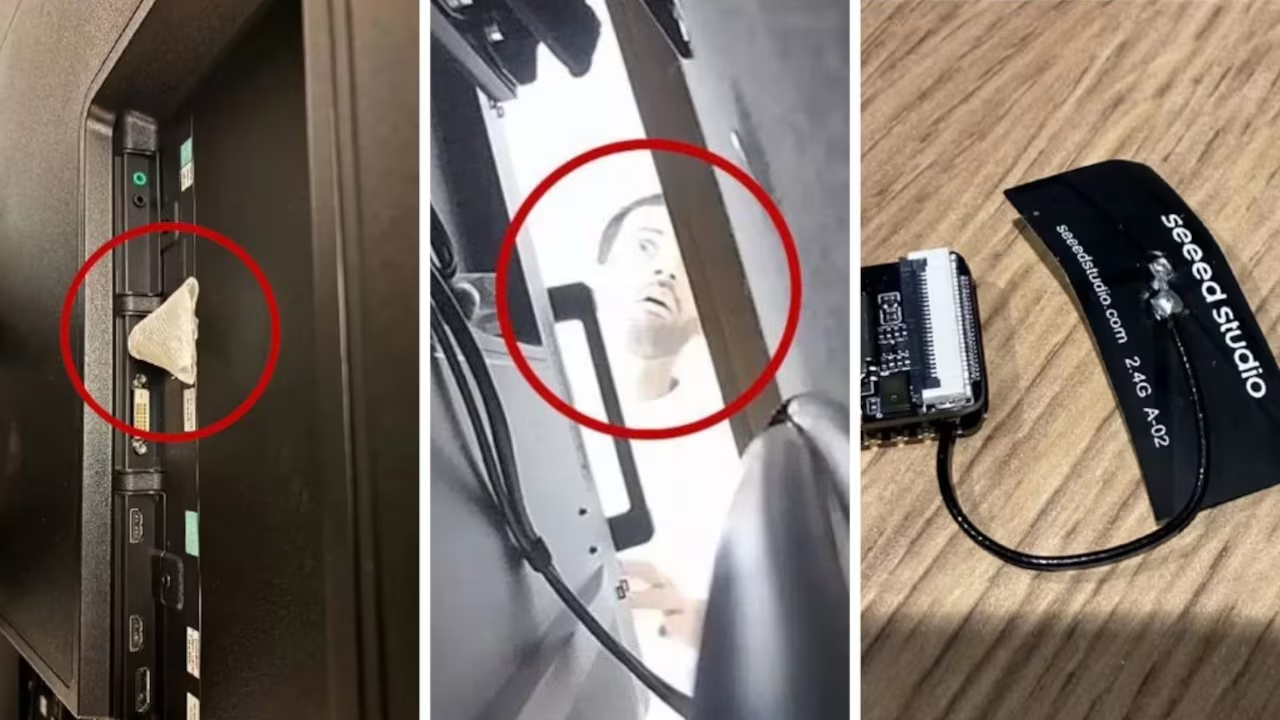
OpenAI says it used its own AI models to trace the device back to him. He has since been fired and faces up to five years in prison if convicted. Alfozan also shows up as a partner at Raed Ventures, a Riyadh-based VC firm.
OpenAI said it has “no indications” Alfozan accessed or took model weights, source code or customer data, but said it had evidence he planned to plant more devices in sensitive areas. His lawyer, William Pernik, said the allegations “appear wholly out of character for him” and urged people to withhold judgment, noting “what has been made public is an accusation, not a finding of guilt.” A detention hearing is set for Oct. 19.
This all comes as OpenAI and other AI companies face growing scrutiny over security after several incidents where AI agents broke out of the sandboxes they were being tested in, and days after OpenAI fired three safety researchers over what it called a “significant breach of trust.”