Already a subscriber? Make sure to log into your account before viewing this content. You can access your account by hitting the “login” button on the top right corner. Still unable to see the content after signing in? Make sure your card on file is up-to-date.
The Trump administration has canceled Affordable Care Act coverage for roughly 760,000 people, saying many of them were never eligible for subsidies and some do not exist at all.
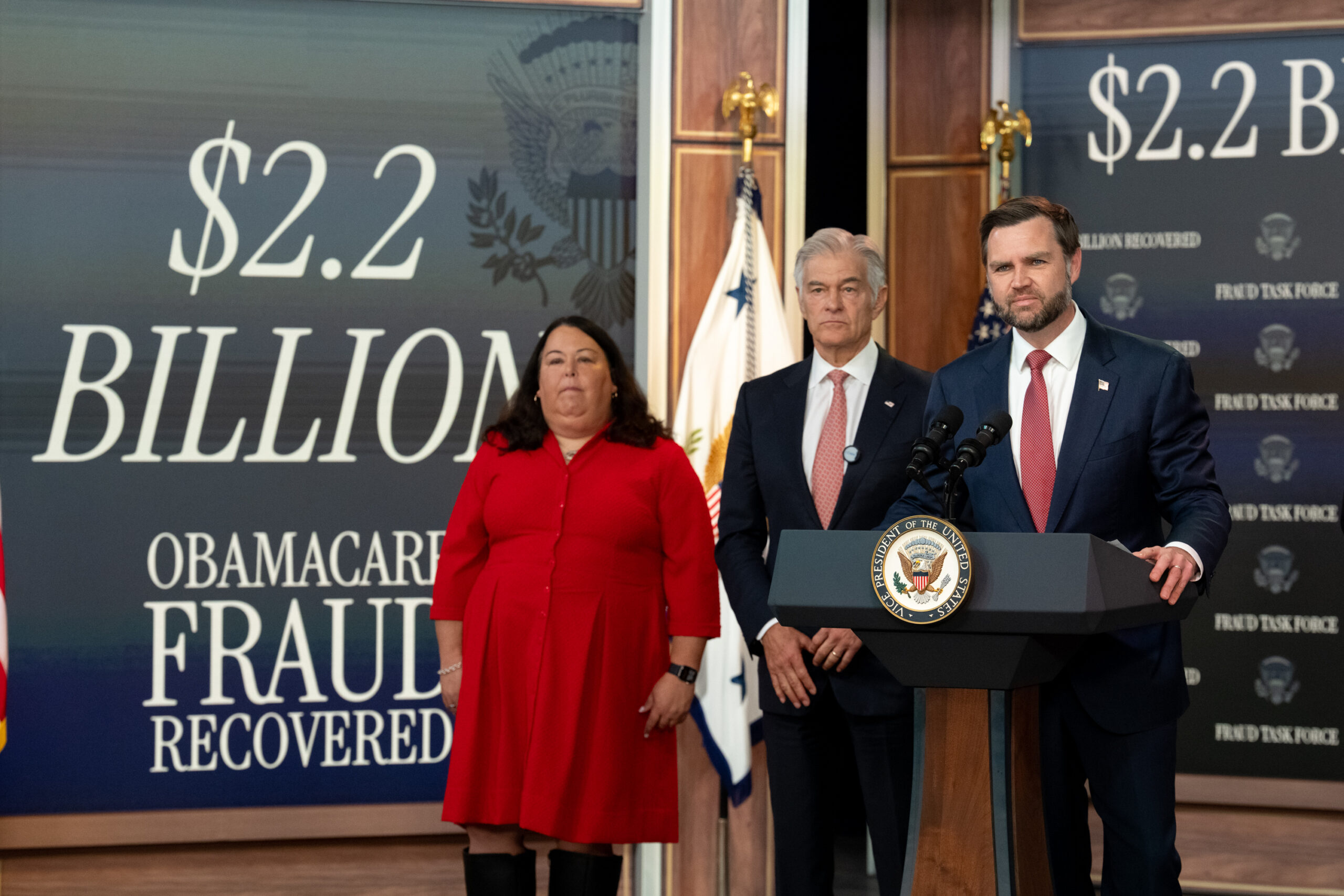
Getting into it: Vice President JD Vance and Centers for Medicare and Medicaid Services Administrator Mehmet Oz announced the move Tuesday, saying it will save about $2.2 billion. CMS said it canceled roughly 315,000 enrollments last month covering those 760,000 people, and another 419,000 are being put through additional verification to check their income eligibility and residency status. The administration is also suspending brokers tied to improper signups and putting a six-month freeze on onboarding new ones, after terminating more than 200 since January.

Oz said the canceled accounts all checked the same boxes: a broker or agent handled the signup, no claims were ever filed, federal tax credits paid the full premium, and CMS couldn’t confirm a Social Security number or immigration papers on the spot.
“We call them phantoms, because we believe most of them don’t exist or they had no idea they had coverage,” Oz said. “We believe that because we’ve been writing them, telexing them, FedExing, whatever we possibly can do to get in touch with them. They won’t answer.”
Officials didn’t explain how they sorted fraudulent accounts from legitimate ones or how people found out they’d been dropped. Experts don’t dispute that the program has a fraud problem, with the Congressional Budget Office estimating over 2 million people improperly claimed enhanced tax credits in 2025, but they question both the scale and the process here.
The 760,000 make up about 4% of the roughly 19 million people with marketplace coverage, many of them living near the poverty line. Enrollment had already dropped by several million this year after Congress let enhanced pandemic-era subsidies expire, driving premiums up, and insurers’ early filings point to another big increase next year.