Already a subscriber? Make sure to log into your account before viewing this content. You can access your account by hitting the “login” button on the top right corner. Still unable to see the content after signing in? Make sure your card on file is up-to-date.
The Trump administration has asked the Supreme Court on Thursday to lift a federal judge’s block on its plan to restrict mail voting, filing the appeal one day before North Carolina begins shipping ballots for the midterms.
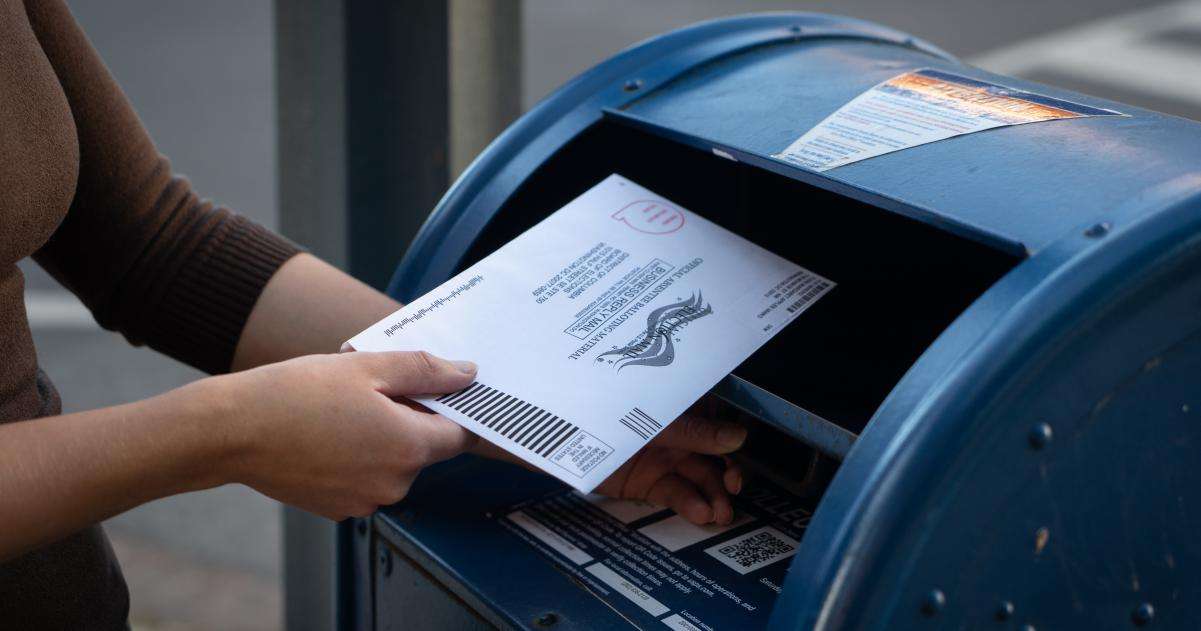
Getting into it: The plan stems from an executive order Trump signed in March, which he said was meant to stop noncitizens from voting. It tells the Department of Homeland Security to assemble a citizenship roll for every state, requires states to upload rosters of eligible mail voters to a Postal Service online portal, and mandates matching envelope designs carrying barcodes. If a state does not comply, USPS will not deliver its ballots.
Hours before the appeal was filed, US District Judge Indira Talwani pressed for a straight answer at a Boston hearing on whether the portal, the piece that would track tens of millions of ballots, actually works yet.

DOJ attorney Michael Velchik told her the Postal Service intends to carry out the rule as written and argued the real question was whether Talwani could stop it at all. He also said states can opt into the system voluntarily. But USPS still cannot name one that has, not even the 12 states that intervened in the case to defend the program. Postal official Steven Monteith said in a court filing that the portal should be available to states “sometime next week.”
Solicitor General D. John Sauer wrote that leaving the freeze in place would do lasting damage to Washington, to the states, and to voters themselves. He also argued that the rule regulates the mail rather than elections.
The challengers, a coalition of voting rights groups, civil rights organizations, and Democratic state attorneys general, say the Constitution hands election rules to the states and Congress, not the president. Oregon Secretary of State Tobias Read, whose state votes almost entirely by mail with envelopes already ordered and ballots already run off, was blunt. “Ask any kid,” Read said. “No kid will say, ‘Yeah, you can change the rules in the middle of the game.'”
This all follows an anonymous federal whistleblower going public this week, warning that the system was rushed and undertested. Under the new rule, ballots have to be physically brought to post offices before mailing. If one barcode registers an error, the entire batch gets thrown out, potentially tens of thousands of legitimate ballots at a time. A Postal Service spokesperson disputed that, saying Americans can have confidence their election mail will be handled securely and delivered reliably.