Already a subscriber? Make sure to log into your account before viewing this content. You can access your account by hitting the “login” button on the top right corner. Still unable to see the content after signing in? Make sure your card on file is up-to-date.
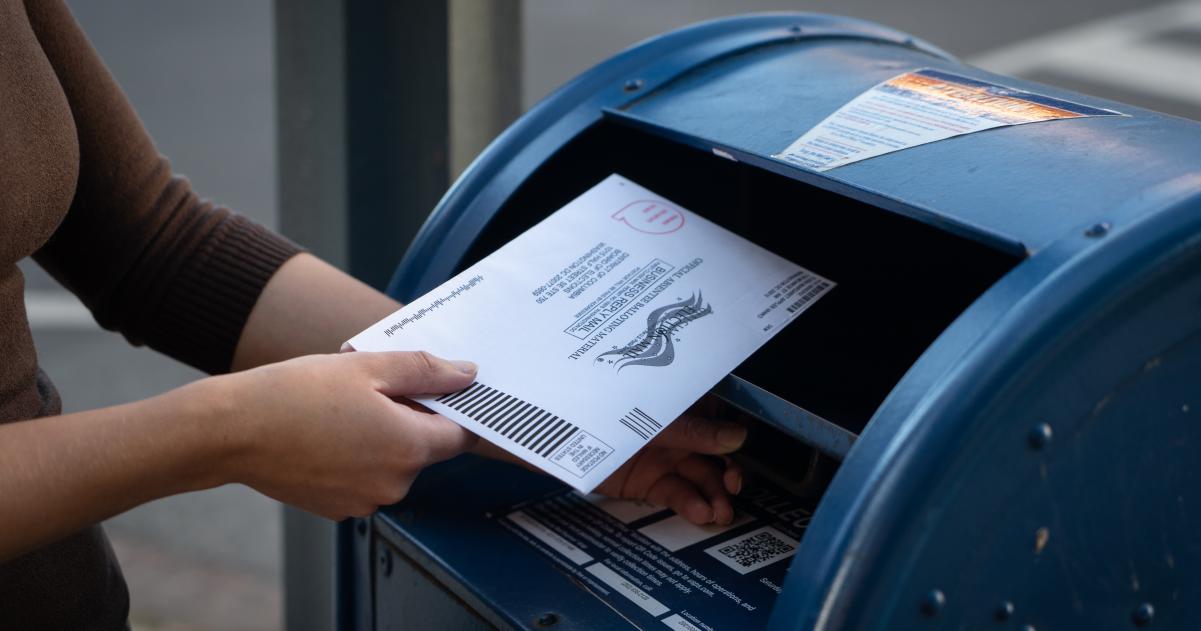
The Trump administration has asked the Supreme Court to let Trump’s executive order restricting mail-in voting take effect.
Some shit you should know before you dig in: If you’re unaware, Trump signed an order back in March aiming to give the federal government a new role in policing who can vote by mail. It directs the Department of Homeland Security and the Social Security Administration to compile “state citizenship lists” of eligible voters, then orders the Postal Service to withhold mail ballots from anyone whose name isn’t there, adds barcode tracking to ballot envelopes, and threatens to pull federal funding from states that don’t comply. Twenty-three Democratic-led states and DC sued on the grounds that the Constitution puts elections in the hands of the states and Congress, not the White House. A federal judge in Boston blocked key parts of the order in June, writing that “the Constitution does not grant the President any specific powers over elections,” and a First Circuit panel upheld that ruling over the weekend, warning the order “would sow confusion and threaten disenfranchisement of many eligible voters.”

What’s going on now: The DOJ filed an emergency application Monday asking the justices to freeze those rulings while the case plays out. Solicitor General D. John Sauer leaned on a procedural argument rather than defending the order’s substance, telling the court the agencies haven’t even settled on how to carry it out. He also called the order an “intra-branch directive” that “does not require the states to do (or refrain from doing) anything at all.”
The order follows Trump’s crusade against mail voting, which he has repeatedly tied to widespread fraud, even blaming it for his 2020 loss. He hit the theme again Monday at a GM plant in Michigan, calling mail ballots “inherently corrupt” and saying “hopefully there will be no mail-in ballots.”

Democrats aren’t mincing words about how they see it. Senate Minority Leader Chuck Schumer called it “nothing other than voter suppression by another name” and said the court “must reject this latest, brazen attempted power grab.”
The stakes are high because mail voting is popular in the US. Nearly 30% of voters cast ballots by mail in 2024, and Democrats use the method more than Republicans do. That turns the case into a real fight over the 2026 midterms, in which Democrats need only a small number of pickups to take Congress.
This all comes as the Supreme Court has already shown some skepticism of Trump on this issue, ruling in June that states can count ballots postmarked by Election Day even if they arrive later, with Chief Justice John Roberts and Justice Amy Coney Barrett joining the liberals. The court has given the challengers until August 3 to respond.