Already a subscriber? Make sure to log into your account before viewing this content. You can access your account by hitting the “login” button on the top right corner. Still unable to see the content after signing in? Make sure your card on file is up-to-date.
Over two dozen nations have condemned Iran over its execution of protesters, accusing Tehran of using the death penalty to silence dissent.
Getting into it: The joint statement, signed by the UK, France, Canada, Australia, New Zealand, Germany, Italy, Spain, Ireland, the Netherlands and other EU governments alongside the bloc’s top diplomat, condemns “in the strongest terms the ongoing executions of protesters and use of the death penalty” by Iran. The signatories said using capital punishment “to silence dissent, intimidate communities, and punish individuals exercising their human rights can never be justified,” demanded an immediate halt to executions and the release of detainees, and called on Tehran to listen to Iranians demanding change.

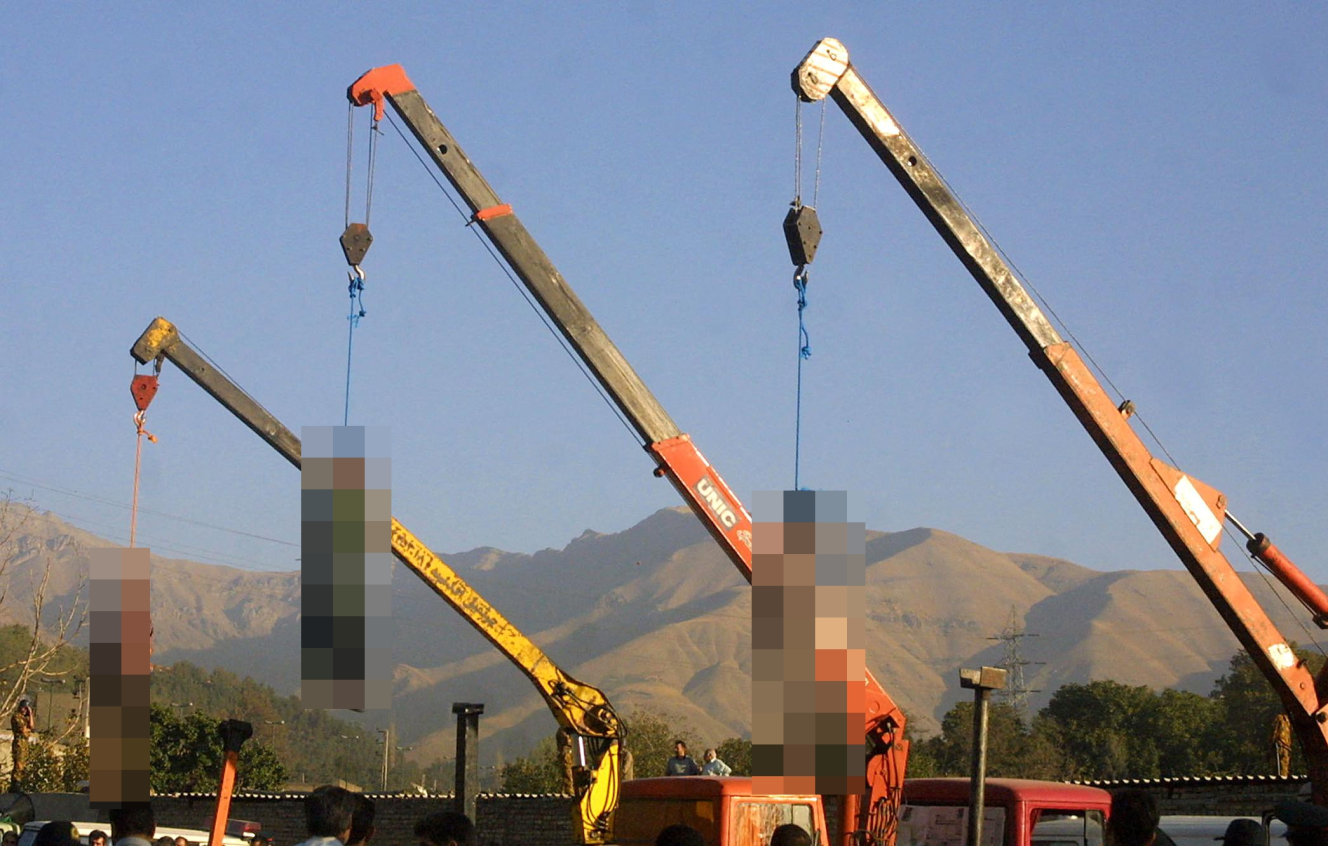
The statement follows the public hanging of two men in the central city of Isfahan on July 28, convicted of killing four police officers during protests in January. The two were part of a group of 14 who got death sentences over those killings.
According to human rights organizations, that morning was more ominous. Before sunrise, cranes and scaffolding were erected at Isfahan’s Alikhani Square, security forces assembled, and a truck carrying machine guns escorted a vehicle holding the accused. Three individuals were scheduled for execution: Amirhossein Safari, 27, Abolfazl Sepahi, 23, and Alireza Sepahi, 25. Two were put to death. The third collapsed before being hanged and was transported to a medical facility, with advocacy groups attributing his condition to heatstroke or cardiac arrest.
Relatives of some defendants informed ABC News that their sons were subjected to several days of torture to coerce confessions, were not permitted to select their own attorneys, and had some alibi evidence dismissed by the court. A family member stated that the court-appointed lawyer, working without charge, never accessed the case file either before or after the death penalty was given, and that both the lawyer and the parents only learned of the ruling after it was publicly announced.
This all comes as the UN’s high commissioner for human rights, Volker Türk, says at least 56 people have been executed on national security charges since March 19, including 27 tied to the January protests, with more than 100 others at risk. Türk pointed to confessions he said were allegedly extracted under torture.
As of now, there’s been no comment from the Iranian government.