Already a subscriber? Make sure to log into your account before viewing this content. You can access your account by hitting the “login” button on the top right corner. Still unable to see the content after signing in? Make sure your card on file is up-to-date.
The Army has awarded Lockheed Martin a seven-year deal worth up to $58.6 billion to build Patriot interceptors as the US seeks to rapidly refill missile stockpiles that two wars have burned through.
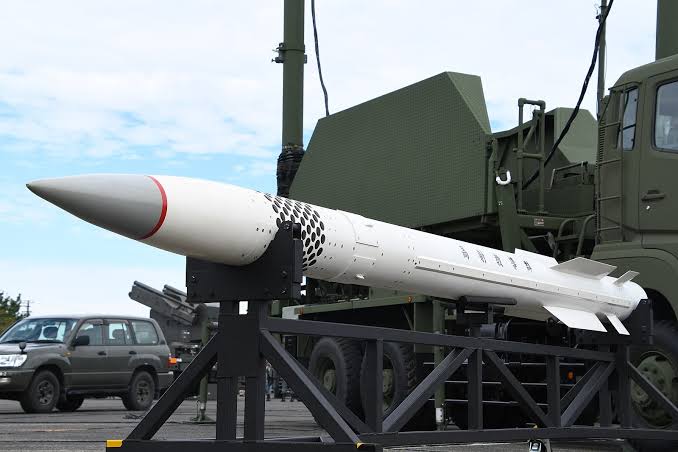
Some shit you should know before you dig in: If you’re unaware, the patriot missile defense systems uses PAC-3 MSE interceptors to take down incoming cruise and ballistic missiles, and they work by hit-to-kill, meaning the interceptor physically slams into the target at high speed rather than detonating near it. Each interceptor carries a price tag of roughly $4 million, and the production line takes years to turn one out. . Before the war with Iran, the US had 2,330 Patriot interceptors, a number already down from where it stood before the war in Ukraine. By the April ceasefire, that stockpile had been cut by more than half. The Center for Strategic and International Studies now puts the arsenal somewhere between 759 and 827. Tomahawk and THAAD stockpiles have been strained as well.

What’s going on now: The deal announced Wednesday converts an April contract worth $4.7 billion into a seven-year program running through fiscal 2032, with a $53.86 billion modification stacked on top. It is the largest PAC-3 MSE contract ever awarded. Lockheed says the money will let it triple production capacity by the end of 2030 and grow its workforce in Camden, Arkansas, where final assembly happens, from 1,200 to roughly 1,850. The company is separately spending $8 to $9 billion of its own money by 2030 to upgrade more than 20 of its US plants.
In a statement, Lockheed Chairman and CEO Jim Taiclet said, “This is a once-in-a-generation moment, and we are moving with wartime urgency to deliver the Arsenal of Freedom.”
Michael Duffey, the under secretary of war for acquisition and sustainment, added, “Today’s announcement turns concept into reality, providing industry with the long-term demand signals it needs to build a resilient supply chain, scale production, and deliver critical capabilities to our Warfighters at the speed of relevance.”
This all comes as the shortage is having real consequences on the battlefield. Commanders have reportedly been letting incoming Iranian drones and missiles through when they assess no damage will result, in order to conserve interceptors.
That gamble has had costs. A July 17 strike killed three US service members in Jordan, and a fourth soldier was killed in Iraq the next day while troops were destroying a downed Iranian drone. Total US deaths in the conflict now stand at 18.