Already a subscriber? Make sure to log into your account before viewing this content. You can access your account by hitting the “login” button on the top right corner. Still unable to see the content after signing in? Make sure your card on file is up-to-date.
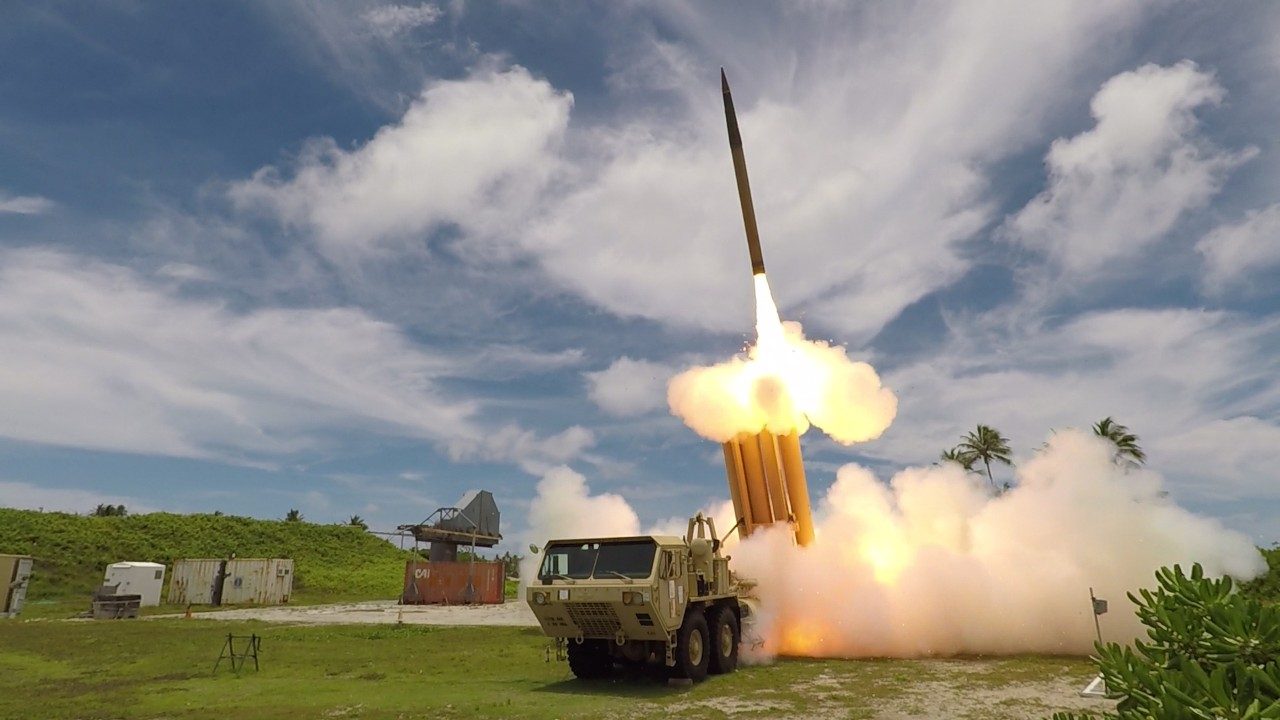
Lockheed Martin has landed a 7-year $35 billion contract from the Pentagon that seeks to ramp up production of THAAD missile interceptors and replenish depleted US stockpiles.
Getting into it: The deal, announced by the Missile Defense Agency, will quadruple output of the Terminal High Altitude Area Defense interceptors from roughly 96 to as many as 400 a year, implementing a framework agreement signed in January. THAAD interceptors, which can destroy ballistic missiles outside the atmosphere and cost more than $12 million each, were used heavily in the Iran war, including to defend Israel from incoming Iranian missiles. An initial $842.9 million is heading to Lockheed right away.

The award is part of an urgent push to rebuild US munitions stocks drained by the war. One report found it would take at least three years to restore the arsenal to pre-war levels, creating a “window of vulnerability” for any potential conflict in the Western Pacific. The deal is among the first major multiyear contracts under the Pentagon’s new acquisition strategy.
It landed the same day Trump met with the heads of Lockheed, Boeing and Honeywell at the White House, where he pushed them to speed up production. The administration has spent the past year leaning on defense firms to expand output, and earlier this month Trump invoked the Defense Production Act, citing “systemic constraints in the munitions industrial base,” from limited capacity to fragile supply chains.
Contractors had been hesitant to build new factories, fearing the government could later change its mind and leave them with a poor return, so the Pentagon has offered larger multiyear deals to keep lines moving. Lockheed has responded with more than $9 billion in investment through 2030, including a new THAAD factory in Alabama and over 20 other facilities, on top of recent contracts for Patriot and Precision Strike missiles.
This all comes as the White House is seeking $87.6 billion in extra funding from Congress to cover the Iran war and other costs, $21 billion of it set aside for munitions.
Related posts:
 Pentagon Announces Deal With Lockheed Martin and BAE Systems to 4x THAAD Interceptor Production
 Updates From Middle East
 Lockheed Martin & Sikorsky Secure Major Defense Contracts With Pentagon for New F-35s & Helos
 Lockheed Martin Reaches Settlement with DOJ After Being Accused of Inflating Contract Prices for F-35, Will Admit No Wrongdoing