Already a subscriber? Make sure to log into your account before viewing this content. You can access your account by hitting the “login” button on the top right corner. Still unable to see the content after signing in? Make sure your card on file is up-to-date.
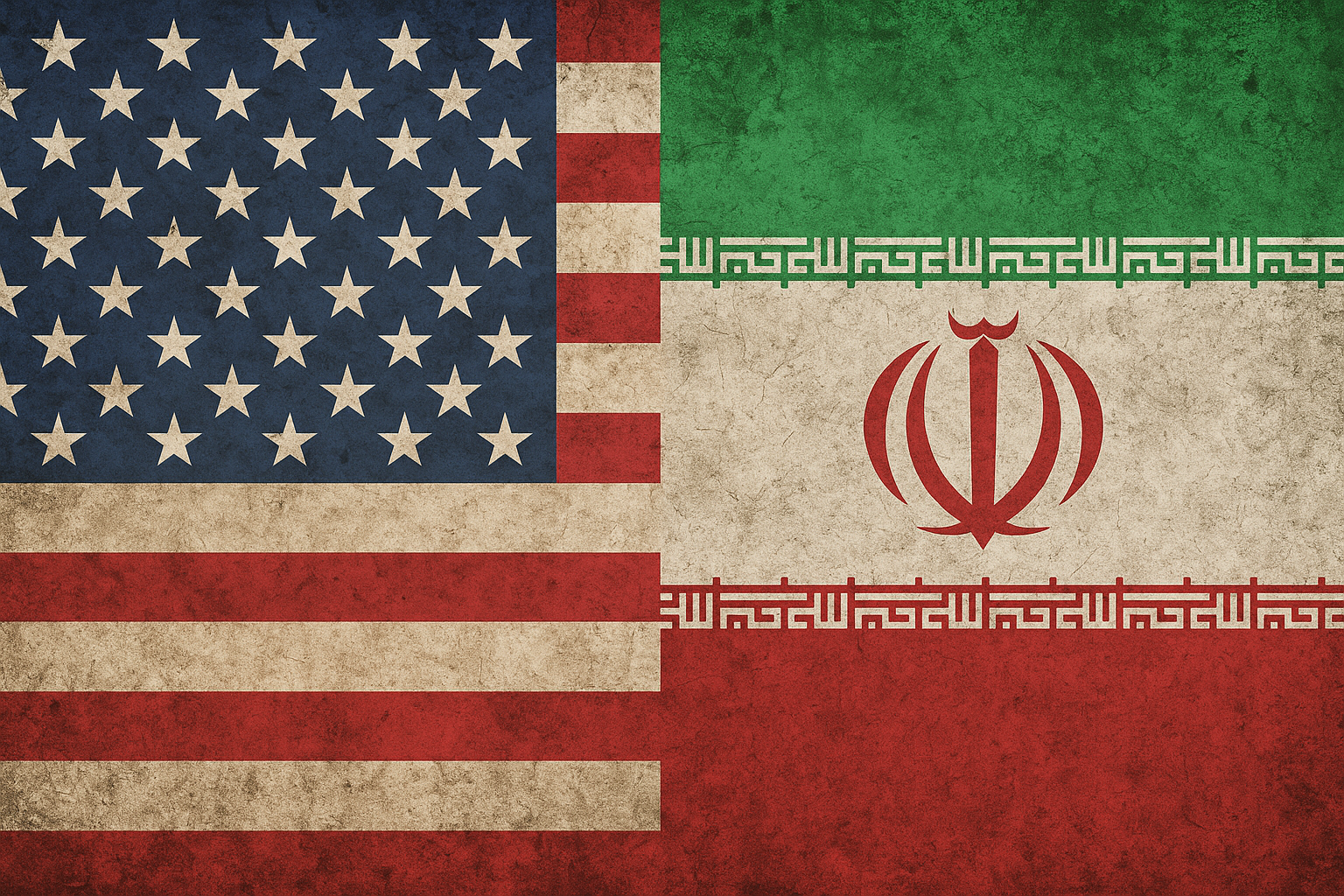
The US and Iran wrapped up indirect talks in Qatar on Wednesday, agreeing to set up a communication channel to report violations of their shaky ceasefire, as both sides try to keep the fragile deal from collapsing.
Getting into it: Iran’s Deputy Foreign Minister Kazem Gharibabadi, who led Tehran’s delegation, said the talks had concluded and that both sides agreed to establish a channel by Thursday to formally report and document breaches of their memorandum of understanding. Iran had insisted throughout that there would be no direct negotiations with the US in Doha, with the technical sessions instead focused on implementing the deal. The MoU, brokered by Qatar and Pakistan and sealed at a summit in Switzerland last month, includes a 60-day ceasefire, the reopening of the Strait of Hormuz after months of blockade, and a timeline for a final deal that would end the war for good and lock in terms on Iran’s nuclear program.
Trump struck an optimistic tone before boarding Air Force One.
“As far as things are going, the denuclearisation of Iran is moving along well,” he said. “We hit them very hard … but we’re getting along very well.”

Gharibabadi said the talks also covered Iran’s frozen assets, with officials reviewing the use of part of an initial $6 billion and agreeing that goods needed by Iran would be purchased and made available. Qatari and Pakistani mediators reported “positive progress,” and Qatar’s emir, Sheikh Tamim bin Hamad Al Thani, met US envoys Steve Witkoff and Jared Kushner.
The talks came after a rocky stretch. The two sides have gone back and forth over what the interim deal actually means, triggering tit-for-tat military strikes over the past week (Iran hit a commercial ship it said had strayed from its approved route through the strait, US Central Command responded by striking 10 Iranian targets, and Iran then fired on US bases in Kuwait and Bahrain).
Despite this, Vice President JD Vance made clear military action remains on the table. He said he couldn’t guarantee the US wouldn’t return to combat before next month’s deadline, saying it “depends on what the Iranians are ultimately going to do.” He warned that “if they try to rebuild their nuclear program, if they try to start shooting at commercial vessels again, that’s going to change our calculus.”
This all comes as the next round of talks is set to be scheduled after the funeral processions for Iran’s former supreme leader, Ayatollah Ali Khamenei, running July 4 through 9 across Iran and Iraq.
Related posts:
 Updates From Middle East
 Iran Rules out Talks with US Until Trump Drops “Maximum Pressure” Campaign
 A Deep Dive: Influencers and “Independent” Journalists on Both Sides Being Paid to Advance Political Talking Points
 Trump Says Iran is Possibly Open to Direct Talks with the US over Nuclear Program, Russia Criticizes US Over Threats to Bomb Iran