Already a subscriber? Make sure to log into your account before viewing this content. You can access your account by hitting the “login” button on the top right corner. Still unable to see the content after signing in? Make sure your card on file is up-to-date.
Secretary of State Marco Rubio has said that no country can charge tolls on the Strait of Hormuz, drawing a hard line in negotiations with Iran.
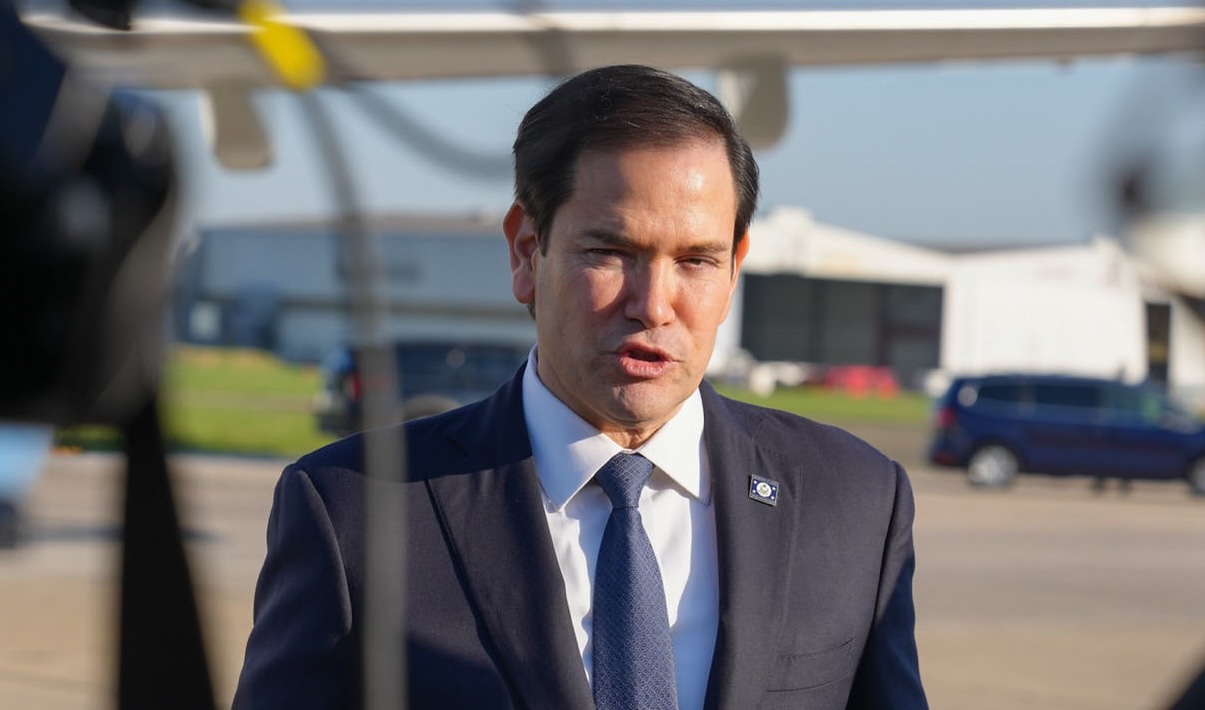
Getting into it: While speaking to reporters in the United Arab Emirates at the start of a Gulf tour, Rubio said the strait is “an international waterway” and that “no country is allowed to charge tolls or fees,” calling it existing international law. The next day in Kuwait he doubled down, saying the whole world would oppose any such mechanism and that “the president has been abundantly clear.” The comments came after Iran and Oman said they would study the strait’s administration and possible service charges while asserting their sovereignty over it.

The dispute is one of several early strains as the US and Iran open a 60-day window to reach a final deal. Iran has suspended planned fees for the negotiating period but signaled they could be reinstated, with chief negotiator Mohammad Bagher Ghalibaf saying that “Hormuz will never return” to its prewar status. International law bars tolls for mere passage, but a country can still bill for actual services rendered, like inspections, a distinction Iran appears to be leaning on.
Rubio also accused Iran of denying it ever signed off on nuclear inspections, a stance he chalked up to Tehran’s internal politics, saying, “We know what they agreed to.” Vance and Trump have both claimed Iran consented to IAEA inspectors returning, but Iranian officials, including Iran’s UN ambassador, insist no such decision was made and that the nuclear issue will only be settled in a final agreement.
On the missiles and proxies left out of the memorandum, Rubio argued they are covered because the deal calls for ending hostilities across the whole region. But Iran has drawn its own red line, with President Masoud Pezeshkian vowing from Pakistan that he would “never negotiate” over its defensive capabilities, and it remains unclear whether Trump fully agrees with Rubio, having suggested Iran could keep some missiles.
This all comes as Rubio warned that Trump could reverse the temporary sanctions relief if Iran fails to honor its commitments.
Related posts:
 Updates From Middle East
 Trump Threatens to Charge US Tolls on the Strait of Hormuz if No Deal is Reached With Iran
 A Deep Dive: Influencers and “Independent” Journalists on Both Sides Being Paid to Advance Political Talking Points
 Iran Rules out Talks with US Until Trump Drops “Maximum Pressure” Campaign