Already a subscriber? Make sure to log into your account before viewing this content. You can access your account by hitting the “login” button on the top right corner. Still unable to see the content after signing in? Make sure your card on file is up-to-date.
The Five Eyes intelligence alliance has warned that frontier AI models could dramatically transform cyberattacks within months, not years.
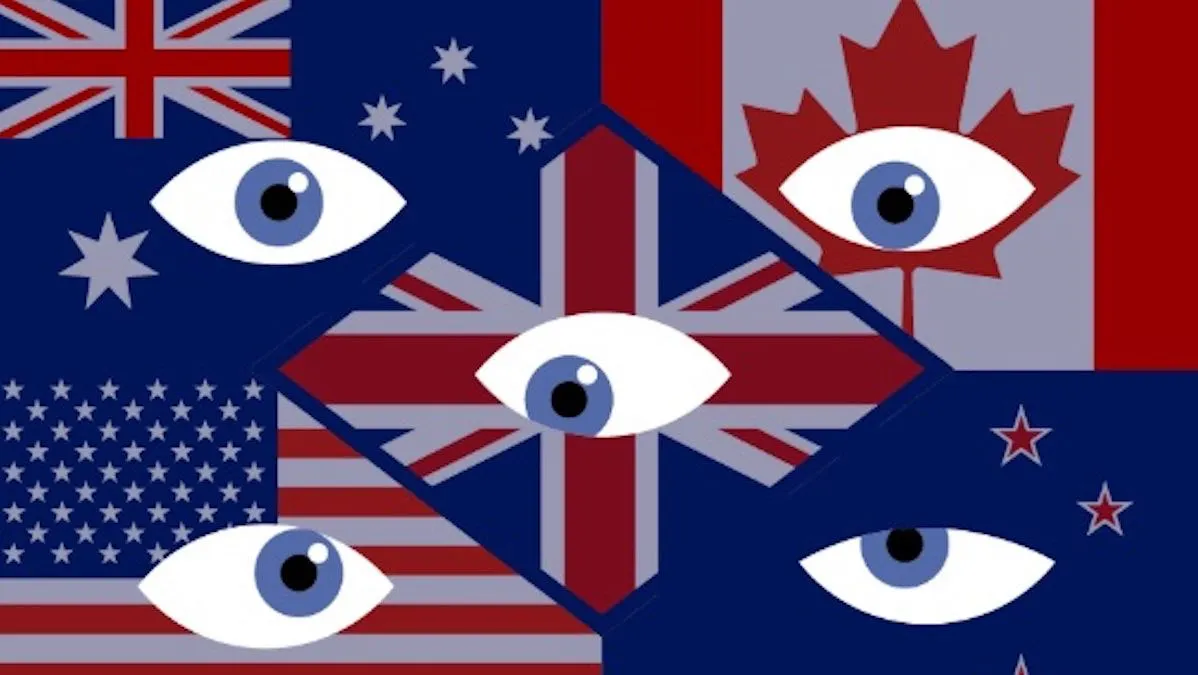
Some shit you should know before you dig in: If you’re unaware, the Five Eyes is an intelligence-sharing alliance made up of five English-speaking countries, the United States, the United Kingdom, Canada, Australia and New Zealand. Its roots go back to a secret signals-intelligence pact between the US and UK in the years after World War II, with Canada, Australia and New Zealand joining shortly after. The arrangement is widely considered the closest intelligence partnership in the world, with the five members routinely pooling signals intelligence, intercepted communications, surveillance data and analysis, and largely agreeing not to spy on one another. Historically its focus was eavesdropping on adversaries like the Soviet Union during the Cold War, and later counterterrorism, but in recent years the alliance has increasingly trained its attention on cybersecurity, foreign interference and the threats posed by China, Russia and North Korea.

What’s going on now: In a notable development, the US, UK, Canada, New Zealand and Australia released a rare joint statement on Monday warning that advanced AI is set to “fundamentally” reshape both offensive and defensive cyber capabilities faster than the industry expects. “The timeline is not years, it is months,” the cyber agencies wrote, warning that the technology accelerates the “speed, scale, and sophistication of cyber threats” and lowers the barrier for bad actors.
Officials also pressed defenders to turn AI to their own advantage. “Adversaries are already using AI to move faster and more effectively. Defenders must do the same,” the statement said, noting AI can help spot vulnerabilities earlier and respond to incidents faster. While naming no company or model, it was widely read as pointing at Anthropic’s Mythos, a model built to find software vulnerabilities, one the company says can outperform humans at some hacking tasks and is available only to vetted organizations.
The warning lands a couple weeks after the US pulled the plug earlier this month on foreign nationals touching Anthropic’s two most advanced models, Mythos and Fable, on national security grounds. We recently had a post on Instagram about the head of the NSA warning a top US official that Mythos got into “almost all” classified US systems “not in weeks, but in hours.”
No government agency has publicly confirmed the account, Anthropic declined to comment, and some said the breach came in a controlled test on classified systems.
Related posts:
 Updates From Middle East
 Top White House Advisor Denies Reports of US Pressuring for Canada’s Removal from Five Eyes Intel Alliance
 A Deep Dive: Influencers and “Independent” Journalists on Both Sides Being Paid to Advance Political Talking Points
 Trump Threatens to Block Opening of New Canada-Detroit Bridge