Already a subscriber? Make sure to log into your account before viewing this content. You can access your account by hitting the “login” button on the top right corner. Still unable to see the content after signing in? Make sure your card on file is up-to-date.
The UN’s nuclear watchdog has reported no major changes to its assessment of Iran’s nuclear program in its first review since the US-Israeli war began.
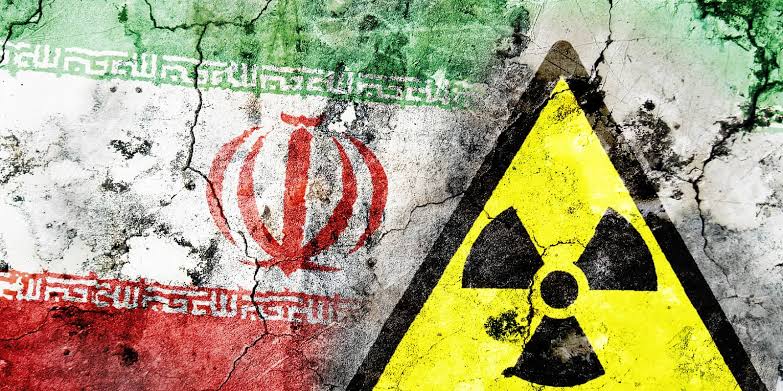
Getting into it: First reported by Reuters, citing a confidential report circulated to member states ahead of next week’s 35-nation board meeting, the findings showed little change from the agency’s assessments just before the fighting erupted in late February. The bigger concern is what inspectors still can’t see. Nearly a year after Israel and the US first bombed Iran’s main nuclear sites, the International Atomic Energy Agency has been unable to return, and said it “cannot provide any information on the current size, composition or whereabouts” of Iran’s enriched-uranium stockpile or whether enrichment has stopped.

The agency called the loss of “continuity of knowledge” over previously declared nuclear material a proliferation concern needing urgent attention, noting the only site it has inspected since February is the Russian-built Bushehr power plant.
At the center of the worry is roughly 440 kilograms of highly enriched uranium Iran still has. IAEA chief Rafael Grossi has warned that the material is theoretically enough for around 10 weapons should Iran ever move to build them, but stressed that this does not mean Iran possesses a weapon. Material that highly enriched would normally be verified monthly by the IAEA, but inspectors have lost access, and satellite imagery has shown no signs of activity at Iran’s nuclear facilities since the US and Israel bombed the shit out of them.

Grossi, for his part, noted the agency is “not a party” to the diplomacy and warned that “something that is not verifiable will lead to a bad agreement,” even as he voiced full support for the talks between Iran and the US.
The report has also reignited a dispute over what the war actually accomplished. The US said it “obliterated” three sites (Fordow, Natanz and Isfahan) in strikes last June, but Bloomberg reported that the findings suggest the risk of an Iranian bomb is now higher than before the February attack, since inspections have lapsed. The White House has rejected that interpretation, calling it “an indescribably stupid analysis by Bloomberg” and arguing Iran can’t more easily build a weapon “with no functioning nuclear enrichment facilities or military defenses.”
This all comes as Secretary of State Marco Rubio offered an upbeat read in Senate testimony, saying Iran has “agreed to negotiate aspects of their nuclear program” it once refused to mention, while Trump claimed Iran had “agreed” not to build a weapon but conceded “they can change their mind.”
Despite this, Iran continues to deny that talks related to its nuclear program are on the table right now.