Already a subscriber? Make sure to log into your account before viewing this content. You can access your account by hitting the “login” button on the top right corner. Still unable to see the content after signing in? Make sure your card on file is up-to-date.
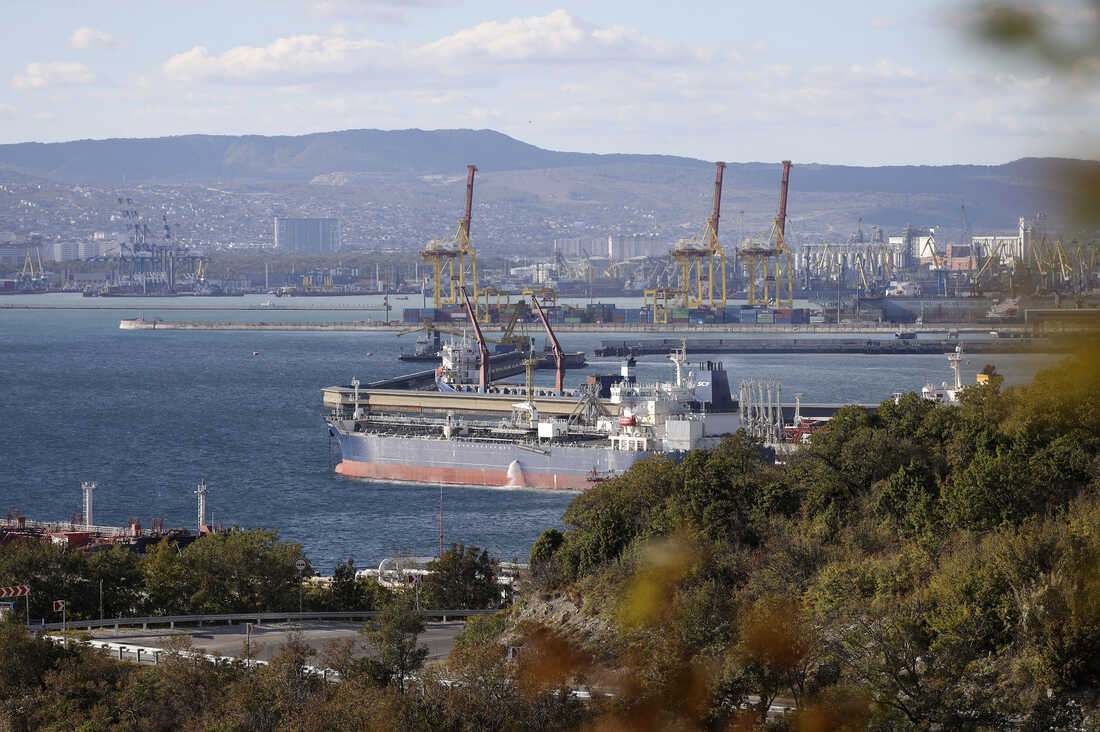
The Trump administration announced Monday that it will extend a sanctions waiver allowing the global purchase of Russian seaborne oil for another 30 days.
Some shit you should know before you dig in: If you’re unaware, the Trump administration imposed sanctions on Russian oil majors Rosneft and Lukoil last year as part of a pressure campaign aimed at cutting off the Kremlin’s oil revenue and forcing Russia to end its ongoing war in Ukraine. Those Russian oil sanctions remained largely intact until the US-Israeli war with Iran began on February 28 and Iran effectively closed off the Strait of Hormuz (the waterway through which roughly one-fifth of the world’s oil and liquefied natural gas previously moved), at which point global oil supplies tightened dramatically and gasoline prices began to spike. In response, the Treasury Department issued a temporary 30-day waiver in March allowing other countries to purchase the Russian crude that was still stranded on tankers at sea, then extended the waiver for a second 30 days in April after Bessent had publicly ruled out doing so just two days earlier. Bessent then told the Associated Press last month that he would absolutely not be issuing a third extension, allowing the second waiver to lapse this past Saturday.

What’s going on now: In a notable development, Treasury Secretary Scott Bessent reversed course again Monday in an X post announcing the third 30-day extension of the Russian oil waiver, framing the decision as a humanitarian measure aimed at giving poor and energy-dependent countries access to existing oil supplies during the global supply crunch. “This extension will provide additional flexibility, and we will work with these nations to provide specific licenses as needed. This general license will help stabilize the physical crude market and ensure oil reaches the most energy-vulnerable countries. It will also help reroute existing supply to countries most in need by reducing China’s ability to stockpile discounted oil.”
The waiver only covers Russian crude and petroleum that was already sitting on tankers before an April 17 cutoff date (meaning anything Russia has pumped or loaded since then remains fully under sanctions). Reuters reported, citing someone briefed on the matter, that the second extension had been requested by more than 10 of the world’s poorest and most energy-vulnerable nations who had lost access to Gulf oil supplies when Iran shut down the Strait.
Democrats and Ukrainian officials have sharply criticized the latest extension as a direct subsidy to the Kremlin’s war effort. Senators Jeanne Shaheen (D-NH) and Elizabeth Warren (D-MA) issued a joint statement calling the extension an “indefensible gift” to Russian President Vladimir Putin. “Every additional dollar the Kremlin earns from this license helps Putin finance his illegal war against Ukraine and kill innocent Ukrainians. With the average price of gas above $4.50 a gallon, there is no evidence that this license is reducing costs for American families burdened by the president’s conflict in the Middle East.”
Ukrainian President Volodymyr Zelenskyy publicly warned against any further relaxation on X last month with the message that “every dollar paid for Russian oil is money for the war.”