Already a subscriber? Make sure to log into your account before viewing this content. You can access your account by hitting the “login” button on the top right corner. Still unable to see the content after signing in? Make sure your card on file is up-to-date.
A federal trade court has ruled that President Trump’s 10% across-the-board tariffs on US imports are illegal.
Some shit you should know before you dig in: If you’re unaware, Trump rolled out the 10% global tariffs on February 24, just weeks after the Supreme Court struck down his earlier “Liberation Day” tariffs that hit dozens of US trading partners. Those original tariffs had been imposed under the International Emergency Economic Powers Act (IEEPA), and the Supreme Court ruling kicked off a refund process for roughly $166 billion already collected (a process that could stretch into 2027). For the replacement tariffs, the Trump administration leaned on Section 122 of the Trade Act of 1974, a provision that had never actually been used before. It caps tariffs at 15%, limits them to a 150-day window, and is only supposed to kick in when the country is dealing with a “large and serious” balance-of-payments deficit. The provision was originally written when the US dollar was still pegged to gold, with Congress giving presidents the tool to manage potential currency crises tied to that system. The dollar isn’t pegged to gold anymore. The Trump administration argued that the $1.2 trillion annual US goods trade deficit and a current account deficit equal to 4% of GDP met the threshold, but economists and trade lawyers had been telegraphing for months that the argument was vulnerable in court.

What’s going on now: The US Court of International Trade ruled 2-1 Thursday that Trump’s invocation of Section 122 was unlawful, with Judges Mark A. Barnett and Claire R. Kelly writing the majority opinion and Judge Timothy C. Stanceu dissenting. The 53-page ruling pointed to legislative history that the judges said “chronicles a series of efforts to carefully cabin presidential discretion” on trade, and concluded that the presidential proclamation imposing the tariffs failed to identify the “large and serious United States balance-of-payments deficits’ as Congress understood that phrase.”
Three plaintiffs brought the case: Burlap & Barrel, an online spice shop based in New York; Basic Fun!, a toy maker headquartered in Florida; and the state of Washington. A handful of other states tried to join in but got tossed out (the court found they had no standing because they hadn’t paid anything under Section 122 to begin with).
The court granted a permanent injunction blocking the collection of the tariffs from the plaintiffs and ordered refunds, though it remained unclear whether the administration would keep collecting from importers who weren’t named in the case.
Basic Fun! CEO Jay Foreman said his company had shelled out over $100,000 under the tariffs and slammed Trump’s approach to trade policy as reckless. He said, “This decision is an important win for American companies that rely on global manufacturing to deliver safe and affordable products. Unlawful tariffs make it harder for businesses like ours to compete and grow.”
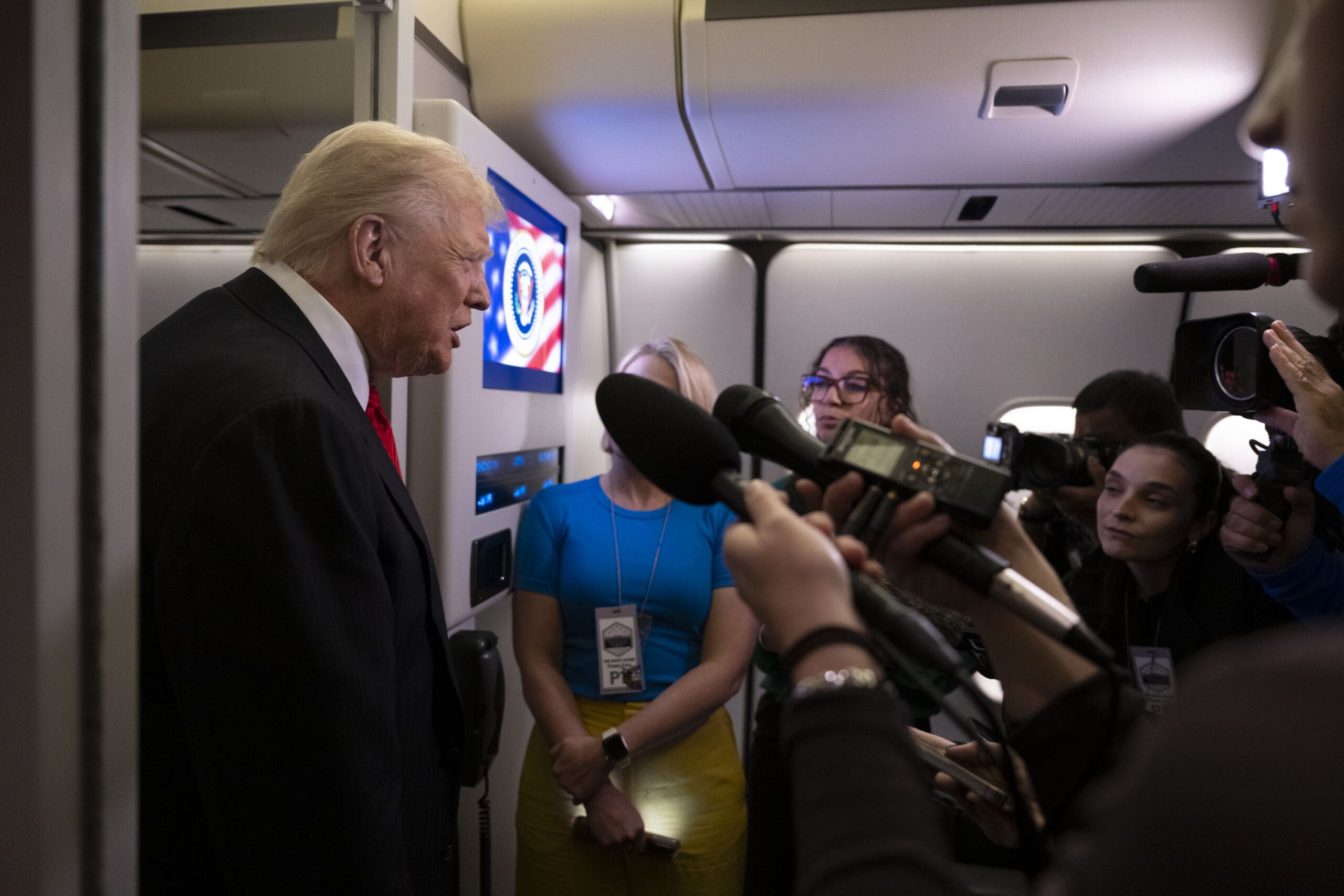
Trump fired back at the courts Thursday night, telling reporters his administration would simply find another path. “Nothing surprises me with the courts. Nothing surprises me, so we always do it a different way. We get one ruling, and we do it a different way.”
Related posts:
 Updates From Middle East
 Treasury Secretary Says Administration Has Workaround if Supreme Court Strikes Down Trump’s Tariffs
 Trump Announces 25% Tariffs on South Korea and Japan, Hints at More to Come
 Canada Hits US with Retaliatory 25% Tariffs on Certain Goods After US Tariffs on Steel & Aluminum Go Into Effect