Already a subscriber? Make sure to log into your account before viewing this content. You can access your account by hitting the “login” button on the top right corner. Still unable to see the content after signing in? Make sure your card on file is up-to-date.
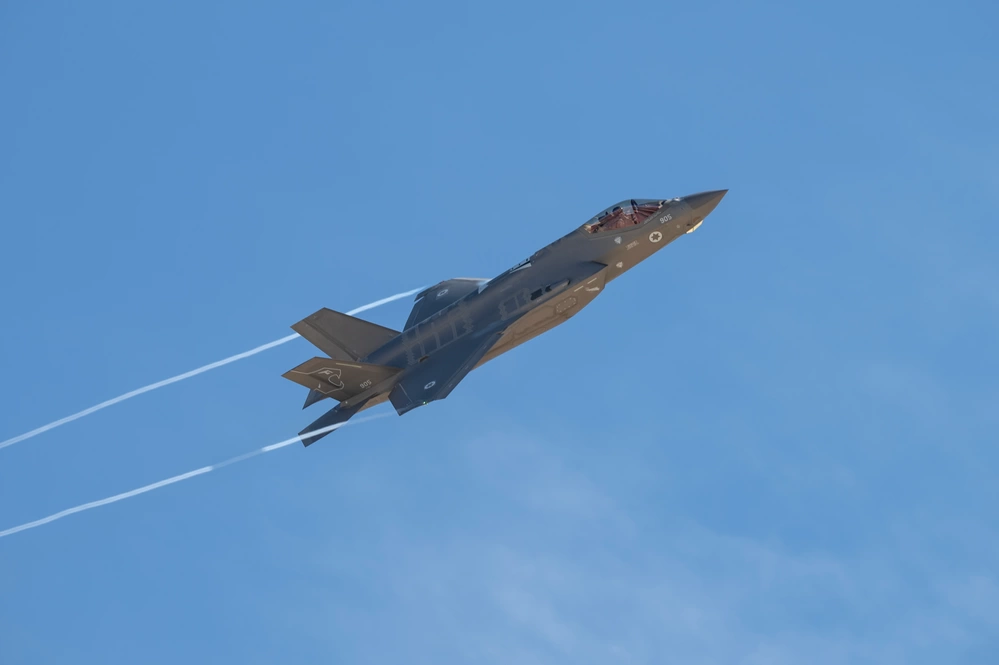
Israel has approved the purchase of two new squadrons of advanced fighter jets from Lockheed Martin and Boeing.
Some shit you should know before you dig in: If you’re unaware, the US provides Israel with billions of dollars a year in military assistance under a 10-year Memorandum of Understanding signed in 2016 that runs through 2028. Most of that money is spent on US-made hardware, and Israel often gets first dibs on advanced equipment. A big part of that priority comes down to Qualitative Military Edge (QME), which is the formal US policy of making sure Israel can defeat any combination of regional military threats while taking minimal casualties. QME has been a guiding principle for over 50 years and was officially written into law in 2008 through the Naval Vessel Transfer Act, which requires the president to assess Israel’s edge every four years and to certify that any US arms sale to other Middle Eastern countries won’t undercut it.

What’s going on now: Israel’s Ministerial Committee on Procurement signed off Sunday on a plan to acquire a fourth F-35 squadron from Lockheed Martin and a second F-15IA squadron from Boeing, with each squadron carrying 25 aircraft. The deal is worth tens of billions and includes full integration into the Israeli Air Force, sustainment, spare parts, and logistics support. The purchase will eventually double Israel’s F-35 fleet from 50 to 100 jets and double its new F-15IA fleet from 25 to 50, putting Israel among the largest operators of both aircraft globally (currently only the US, UK, Italy, and Japan have ordered more F-35s, with Australia tied with Israel at 100).
Israeli Defense Minister Israel Katz framed the deal as a direct lesson from the war with Iran. “The lessons of that campaign require us to keep pressing forward on force buildup, to ensure air superiority for decades to come.”
Israeli Prime Minister Benjamin Netanyahu went further and made clear the new fleet is meant to keep Iran in the crosshairs. “Israel is stronger than ever, and Israel must always be much stronger than our enemies. Our pilots can reach anywhere in Iran’s skies, and they are prepared to do so if required. We have great aircraft, and we have great pilots.”
Netanyahu added a vague comment about Israel developing its own aircraft, though his spokesman didn’t elaborate on what that meant (Israel last attempted to build its own fighter jets in the 1980s before scrapping the program after a decade of major financial losses).
Related posts:
 Updates From Middle East
 A Deep Dive: Influencers and “Independent” Journalists on Both Sides Being Paid to Advance Political Talking Points
 Trump Administration Backs Israel’s Decision to Halt Humanitarian Aid to Gaza, Puts Blame on Hamas
 Israel Renews Strikes in Lebanon, Vows to Maintain Permanent Military Presence in Gaza Until All Hostages Are Released