Already a subscriber? Make sure to log into your account before viewing this content. You can access your account by hitting the “login” button on the top right corner. Still unable to see the content after signing in? Make sure your card on file is up-to-date.
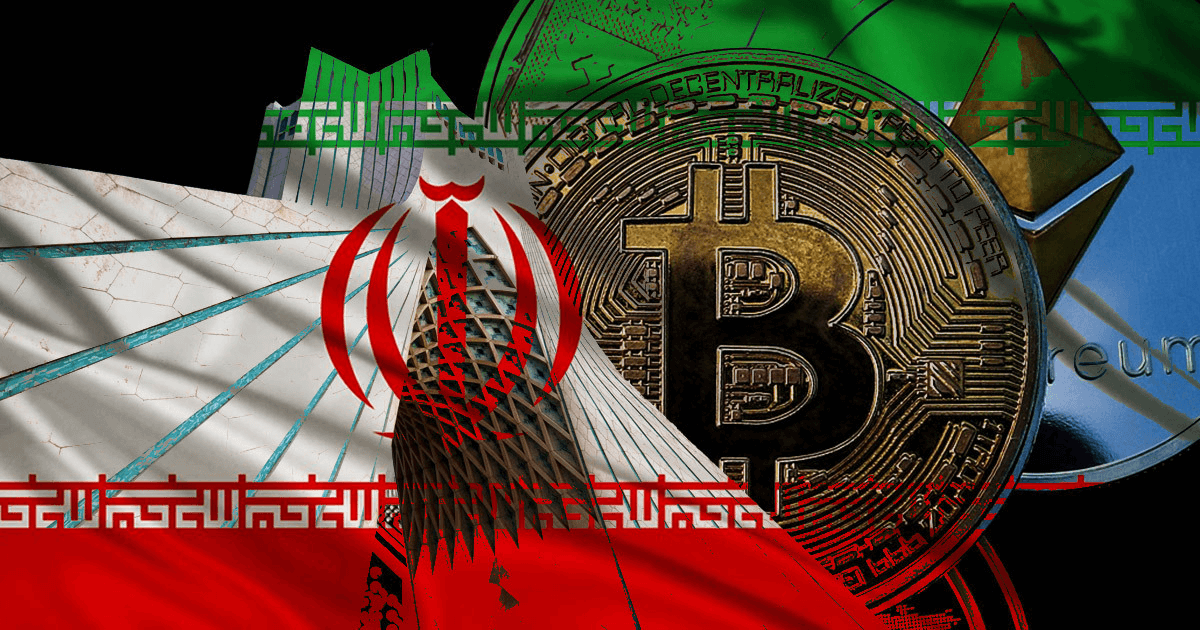
The US has frozen $344 million in cryptocurrency linked to Iran as part of its ongoing economic pressure campaign against Tehran.
Getting into it: Treasury Secretary Scott Bessent said Friday the Office of Foreign Assets Control hit multiple Iran-connected crypto wallets with sanctions, after Tether, the company behind the USDT stablecoin, froze two blockchain addresses where the money was sitting once US authorities flagged them. A US official said the wallets showed direct activity with Iranian crypto exchanges, plus money moving through go-between addresses that link back to Iran’s Central Bank.

Bessent said Iran’s Central Bank keeps finding harder-to-track ways to hide its hand in international transactions, all while trying to prop up the rial and keep doing business overseas despite the sanctions wall it’s up against. Chainalysis data shows Iran sat on about $8 billion in crypto in 2025, and the IRGC controlled close to half of that, using the less-regulated crypto market to move money that can’t go through the traditional banking system.
“We will follow the money that Tehran is desperately attempting to move outside of the country and target all financial lifelines tied to the regime,” Bessent said.
Analysts aren’t convinced it will change much. In an interview with CNN, Atlantic Council senior fellow Daniel Tannebaum said, “I don’t think it necessarily moves the needle for thwarting Iran’s attempts to continue operating,” pointing out Iran has spent decades under sanctions and built workarounds along the way. “The way to get at Iran at this point, because Iran is truly sanctioned out, is to go with the third country actors enabling them.” Tannebaum added that Iran will “use [crypto] with actors that are trying to stay outside of the US banking system” and is “really trying to use any methods they can to pay for additional armaments, military support that they need at present.”
This all comes as Bessent said the one-time waiver for Iranian oil already at sea will not be renewed, adding that Iran will likely have to halt oil output in the next couple days, which would be “very bad for their wells.”