Already a subscriber? Make sure to log into your account before viewing this content. You can access your account by hitting the “login” button on the top right corner. Still unable to see the content after signing in? Make sure your card on file is up-to-date.
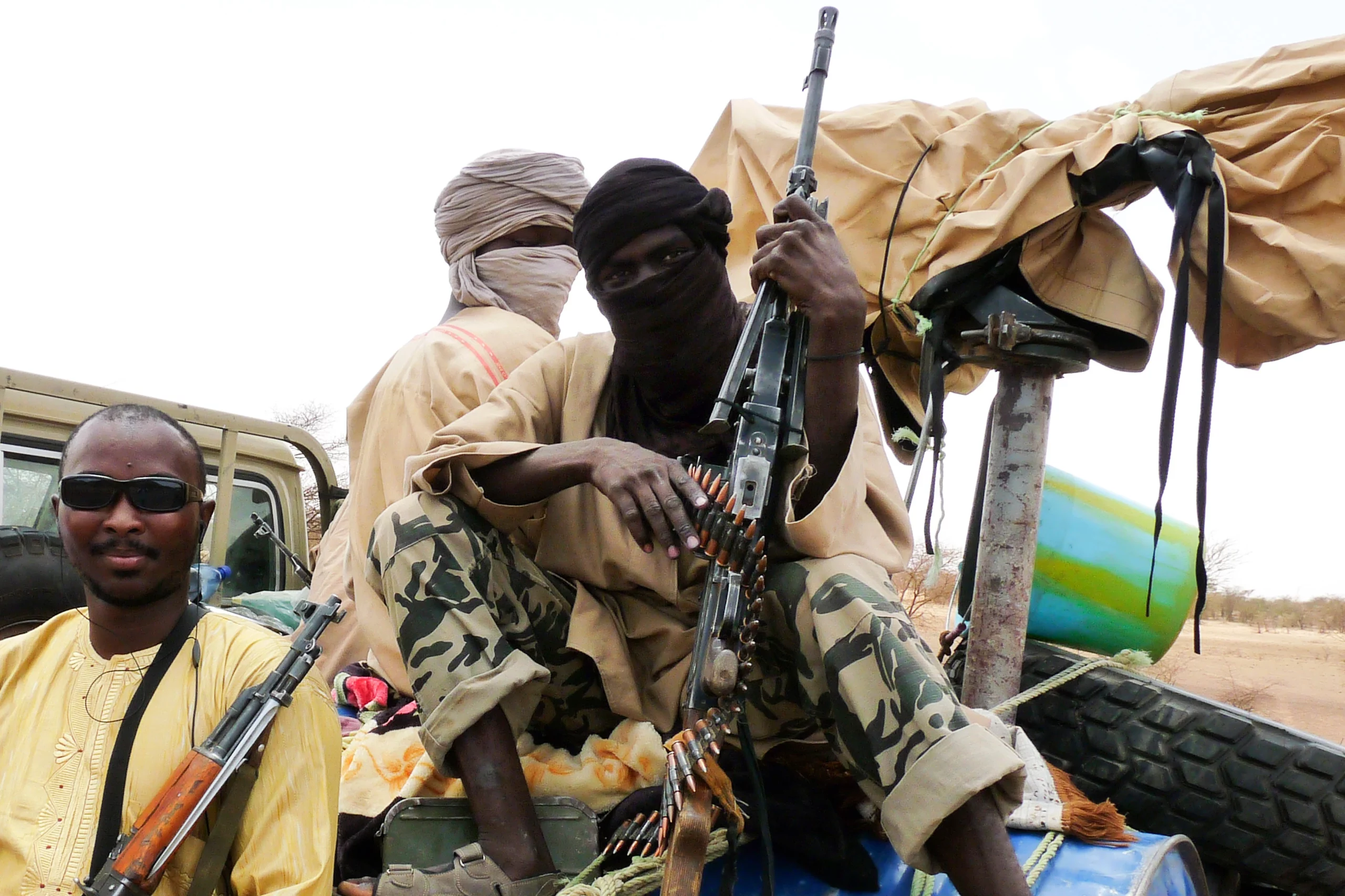
Al-Qaeda-linked fighters hit Mali with simultaneous attacks across the country on Saturday, striking the capital Bamako and at least four other cities.
Some shit you should know before you dig in: If you’re unaware, Mali has been in a state of near-constant instability for over a decade, caught between a Tuareg separatist rebellion in the north, jihadist insurgencies linked to both al-Qaeda and ISIS, and a string of military coups. General Assimi Goita has run the country since back-to-back coups in 2020 and 2021, when he told Malians he’d get the security situation under control. Instead, the junta kicked out French forces and UN peacekeepers, hired Russian mercenaries, and has struggled to contain the violence. Big chunks of the north and east are still beyond Mali’s reach, and JNIM has more than tripled the number of attacks it carries out on Malian cities since 2022. The group spent its early years fighting in the countryside but has shifted into full-scale conventional warfare, with analysts saying it’s been studying the Syrian rebels who toppled Assad late last year and is seeking to drag Mali’s government to the negotiating table.

What’s going on now: JNIM, the al-Qaeda affiliate that dominates Mali’s jihadist landscape, posted a statement on its Az-Zallaqa platform Saturday claiming the attacks and naming the Azawad Liberation Front as its partner. The FLA is a Tuareg separatist faction that has been fighting for independence in northern Mali for years. The two groups hit simultaneously. Fighters drove explosive-rigged vehicles into the Kati garrison just outside Bamako and sent drones in behind them, blowing up the home of Defense Minister Sadio Camara. Attacks also hit Gao, Kidal, Sevare, and Mopti. The FLA put out word that its fighters had seized Kidal and grabbed pieces of Gao. Government troops and their Russian backers had only clawed Kidal back in 2023, a win the junta paraded as proof its security strategy was working.

Goita himself stayed out of sight all day, with no public address or televised appearance from him or any of his senior officials. The information vacuum was filled by the attackers, who pushed video after video of their advances onto social media. By late morning, the army was telling the public things were back “under control,” though officials admitted in the same breath that operations to flush out the remaining fighters were still going. Witnesses reported Russian mercenaries fighting near the airport.
“This morning’s attacks represent a major escalation in the conflict, a new stage reached by armed groups,” said Jean-Hervé Jezequel of the International Crisis Group.
This all comes amid growing concern the country could fall into jihadist hands. The last time jihadist groups and Tuareg fighters fought side by side in Mali was back in 2012, when the two camps swept through the north together and kicked off the broader Sahel security crisis the region is still dealing with.
Related posts:
 Updates From Middle East
 Malian Government Announces 100 Terrorists Killed After Coordinated Attacks Targeted 7 Towns
 A Deep Dive: Influencers and “Independent” Journalists on Both Sides Being Paid to Advance Political Talking Points
 Mali Severs Ties with Ukraine, Accuses Them of Terrorism Following Malian & Wagner Mercenary Deaths