Already a subscriber? Make sure to log into your account before viewing this content. You can access your account by hitting the “login” button on the top right corner. Still unable to see the content after signing in? Make sure your card on file is up-to-date.
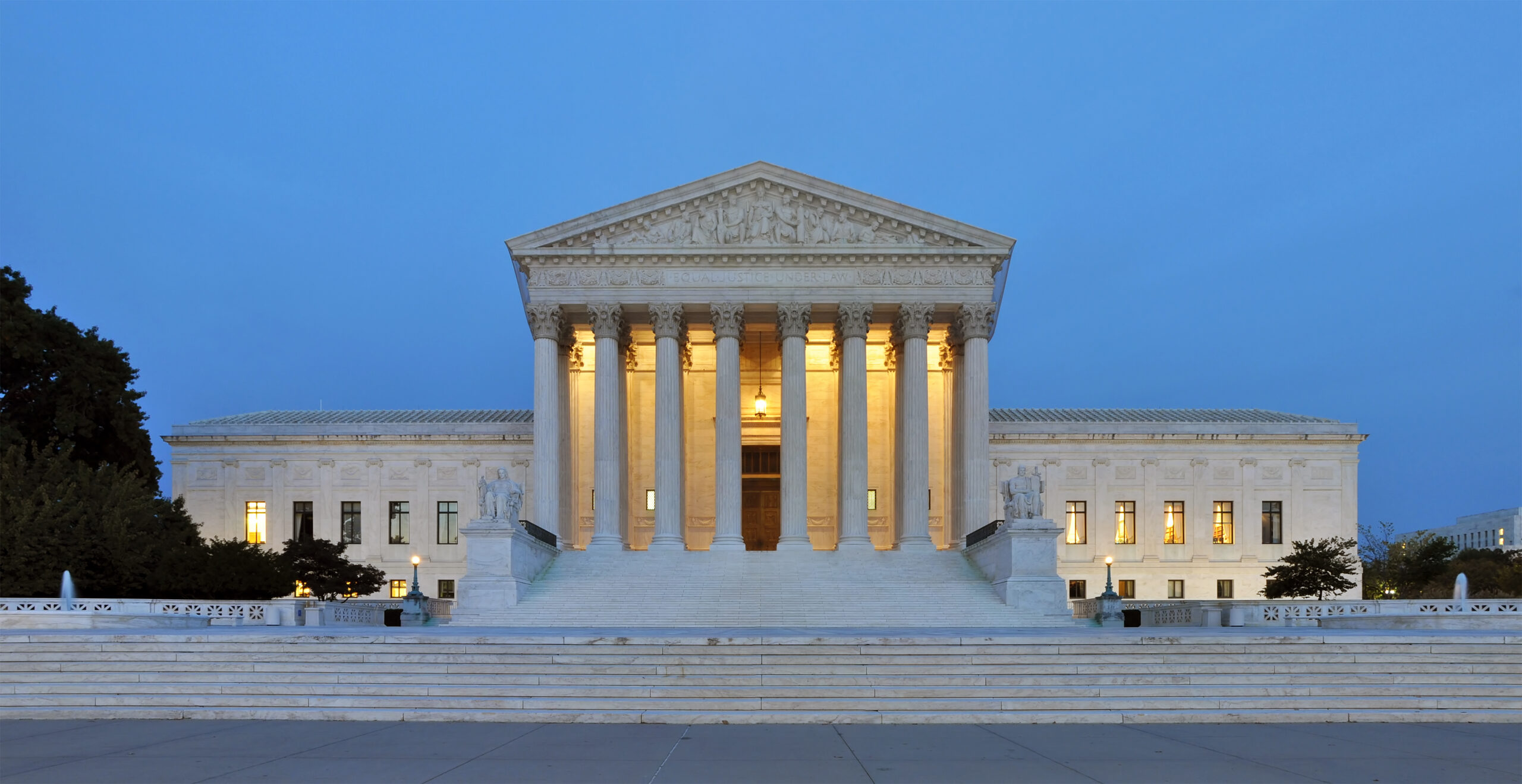
The Supreme Court has ruled 6-3 that soldiers can sue military contractors when the contractor’s own negligence caused them harm.
Some shit you should know before you dig in: Back in 2016, Army Specialist Winston Hencely spotted an Afghan employee of defense contractor Fluor Corporation walking toward a group of soldiers gathered for a Veterans Day 5K race at Bagram Air Base in Afghanistan. Hencely tried to stop him, and the man, Ahmad Nayeb, detonated a suicide vest (killing five people and wounding 17). Hencely suffered a fractured skull and permanent brain injuries, lost full use of his left arm, hand, and the left side of his face, and now lives with chronic pain, cognitive disorders, and memory loss. The Army concluded Hencely’s intervention likely prevented a far greater tragedy and found Fluor negligent (Nayeb had been allowed to roam the base unsupervised, which was in direct violation of his contract’s requirement that Afghan employees remain in constant view of supervisors at all times). On top of that, Nayeb built his suicide vest using US military munitions he obtained on the base. Hencely ultimately sued Fluor, but both a federal district court and the 4th Circuit threw out his case, finding contractors were shielded from such suits under federal law. He then appealed to the Supreme Court.

What’s going on now: Justice Clarence Thomas wrote the majority opinion and found that contractors can be sued for conduct the government never authorized. “The government required Fluor to hire Afghan employees and provide logistics for Bagram Airfield,” Thomas wrote. “But it did not require Fluor to leave Nayeb unsupervised, allow him to walk alone for an hour after his shift, or permit him to obtain unauthorized tools with which he could build a bomb.”
Justices Alito, Roberts, and Kavanaugh dissented, arguing that war is the exclusive domain of the federal government and that state tort law has no business regulating security arrangements on active military bases. “Like all members of the military wounded in the service of our country, petitioner deserves a full measure of support from the American people,” Alito wrote. “But this state-law tort suit is not the way to give petitioner what he is due.”
This all comes as the Trump administration had sided with the contractor, arguing that opening the door to state-law tort suits would “inflict grave harms on the separation of powers and the federal government’s ability to effectively prosecute wars.”
As of now, there’s been no comment from Fluor or Hencely’s legal team.
Related posts:
 Updates From Middle East
 A Deep Dive: Influencers and “Independent” Journalists on Both Sides Being Paid to Advance Political Talking Points
 100+ US-Based Legal Scholars Sign Letter Claiming US-Israeli Strikes on Iran Breach International Law & Could Amount to War Crimes
 DHS Says it Will Not Abide by New California Law Banning Federal Agents from Wearing Face Coverings, Cites Safety Concerns for Officers