Already a subscriber? Make sure to log into your account before viewing this content. You can access your account by hitting the “login” button on the top right corner. Still unable to see the content after signing in? Make sure your card on file is up-to-date.
El Salvador’s President Nayib Bukele has signed into law a constitutional reform allowing life prison sentences for children as young as 12.
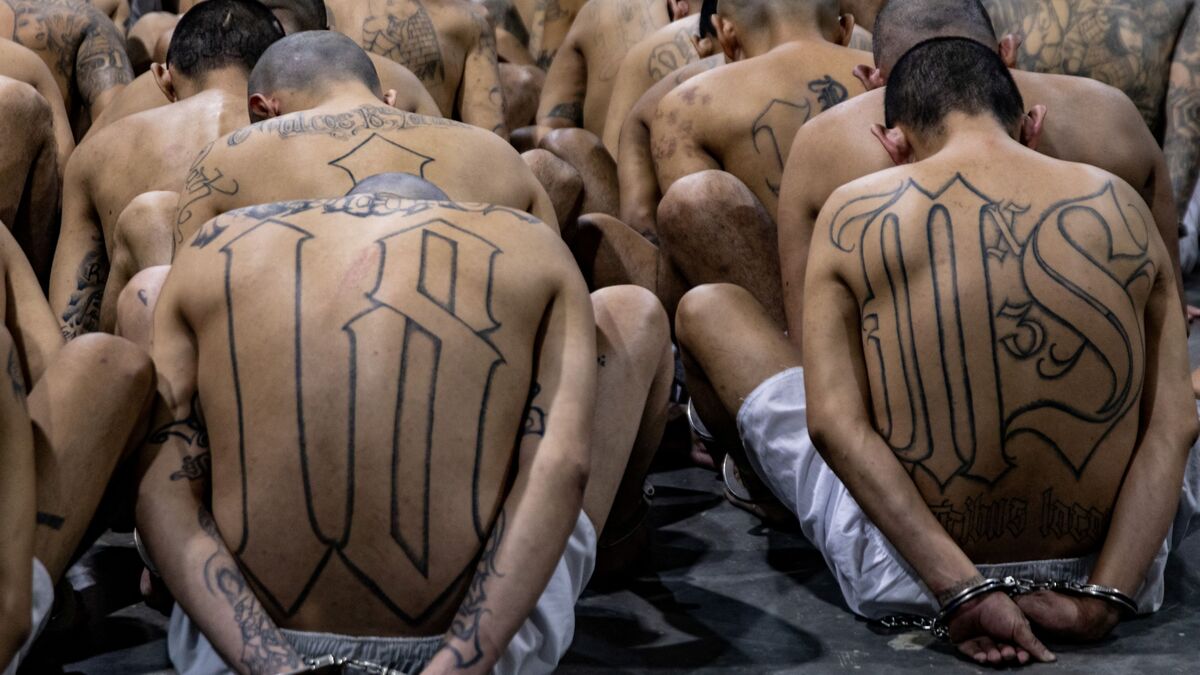
Some shit you should know before you dig in: Since coming to power, Bukele has launched an aggressive anti-gang crackdown that kicked off with a state of emergency in 2022. The emergency was supposed to be a 30-day measure but has been renewed over and over, allowing for the suspension of some constitutional rights and leading to the arrest of 91,650 people (roughly 2% of the country’s population). Homicides have plunged, and a lot of Salvadorans say their neighborhoods feel safer than they have in years. Bukele’s approval ratings at home are sky-high, even as rights groups argue most of the detentions were arbitrary (based on “weak” evidence, unclear charges, and courtroom sweeps that can process hundreds of defendants in a single hearing). An international panel of human rights experts recently released a report last month accusing the government of crimes against humanity over the past four years, pointing to Bukele’s own acknowledgment that “at least 8,000 detainees were innocent.”

What’s going on now: The new law, signed on Wednesday and set to take effect April 26, makes life imprisonment possible for children as young as 12. Before this, the ceiling was 60 years for adults, and minors faced substantially shorter terms. It applies to anyone convicted of homicide, rape, femicide, or being in a gang (or helping one), meaning a child found guilty of simply being a gang member (without committing a violent act) could spend the rest of their life in prison.
The reform also creates new criminal courts specifically to handle these cases and requires mandatory sentence reviews after those convicted spend decades in prison.
UNICEF and the UN’s Committee on the Rights of the Child came out strongly against the law, warning that life sentences for children “constitute a contradiction of the standards enshrined in the Convention on the Rights of the Child” and that imprisonment risks severe long-term consequences on child development without reducing crime overall.
Bukele has dismissed critics on social media, writing, “We shall see who supports this amendment, and who will dare to argue that the Constitution should continue to prohibit murderers and rapists from remaining in prison.”
Related posts:
 El Salvador Changes Nation’s Constitution to Eliminate Presidential Term Limits
 Updates From Middle East
 Venezuela Launches Investigation Into El Salvador Over Allegations That Hundreds of Deported Venezuelan Migrants Were Tortured in Prison
 100+ US-Based Legal Scholars Sign Letter Claiming US-Israeli Strikes on Iran Breach International Law & Could Amount to War Crimes