Already a subscriber? Make sure to log into your account before viewing this content. You can access your account by hitting the “login” button on the top right corner. Still unable to see the content after signing in? Make sure your card on file is up-to-date.
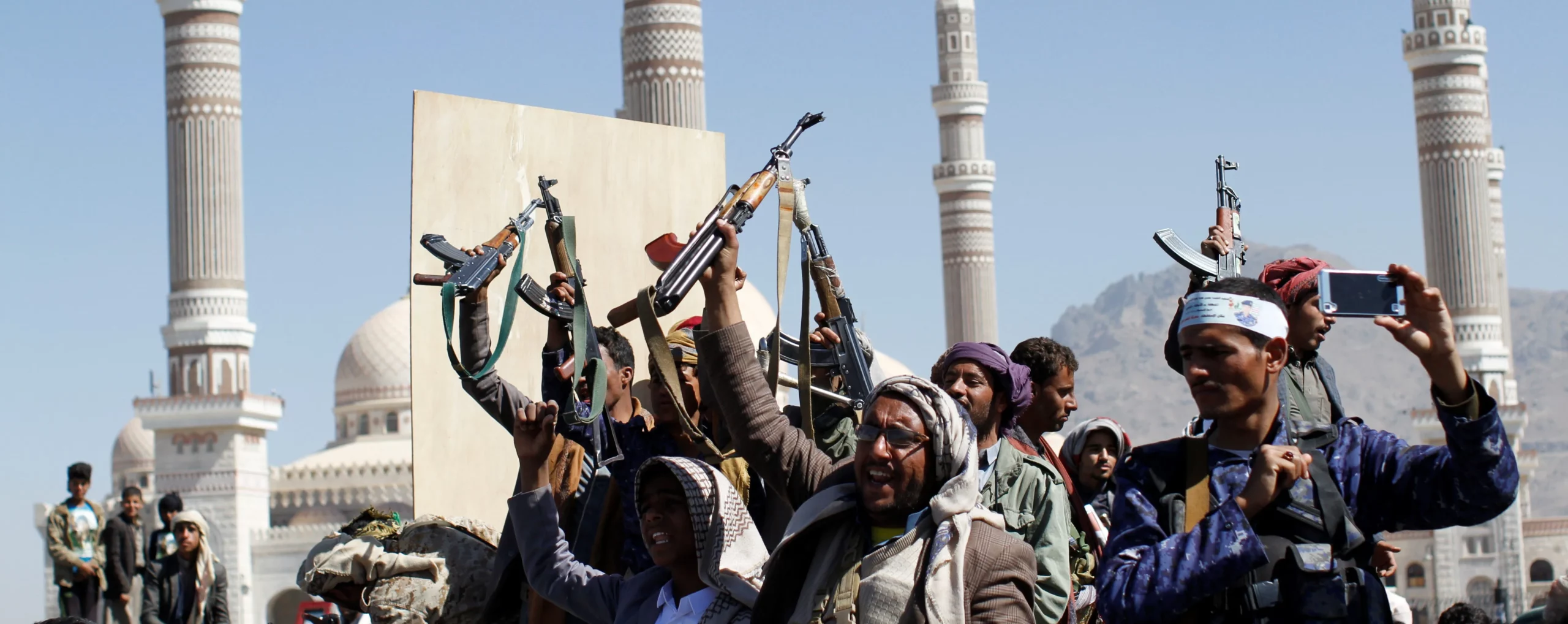
Yemen’s Houthi rebels have officially entered the escalating Middle East conflict after launching attacks against Israel in solidarity with Iran.
Some shit you should know before you read: If you’re unaware, the Houthis (also known as Ansar Allah) are a Shiite rebel group that originated in northern Yemen during the 1990s and rose to prominence in 2014 after capturing the capital, Sanaa, and forcing out the internationally recognized government. Backed by Iran with weapons and funding, they’ve occasionally launched attacks against Israel and commercial ships transiting the Red Sea and Gulf of Aden. The attacks against vessels increased during the war in Gaza, which the Houthis said was done in solidarity with Palestinians. Since returning to office, President Trump reinstated the Houthis’ designation as a Foreign Terrorist Organization and ordered airstrikes against the group shortly after taking power.

What’s going on now: Over the weekend, the Houthis officially joined the conflict by launching a barrage of ballistic and cruise missiles toward Israel, marking their first direct strike since the broader US-Israel conflict with Iran intensified. The group claimed it targeted sensitive Israeli military sites and framed the attack as part of a wider response in support of Iran and what it calls the “axis of resistance.” Israeli defense systems successfully intercepted the incoming missiles before they could cause damage.
Houthi officials said the strikes were meant to retaliate against US and Israeli attacks on Iran and warned that their operations would continue until what they described as “aggression” against Iran and allied groups stops. Prior to the attack, their military spokesperson signaled that their forces were “on the trigger” for direct intervention, especially if regional waterways or neighboring countries were used to support military operations against Iran. After the launch, they doubled down, vowing sustained attacks and suggesting escalation could broaden beyond Israel.

Beyond missile strikes, the Houthis’ most significant threat lies in their ability to disrupt global shipping through the Bab al-Mandab Strait, a critical chokepoint linking the Red Sea to international trade routes. They have a track record of targeting commercial vessels with drones, missiles, and small boats, and analysts warn that a renewed campaign there could effectively choke off another critical maritime corridor. Such a move would force ships to reroute around southern Africa, adding time and cost to global trade flows.
That possibility is already fueling concern in energy markets, particularly as Iran has simultaneously restricted movement through the Strait of Hormuz.
Related posts:
 Updates From Middle East
 Report: US Urged Israel to Stop Strikes on Iran’s Oil Infrastructure Due to Volatile Oil Markets
 Trump Says US Will Hold Iran Responsible if Houthis Attack, Iranian General Warns US
 Iranian Official Claims US is Framing Iran by Launching Drone Attacks on Gulf Countries; US Says Iran’s Claims Are Bullshit