Already a subscriber? Make sure to log into your account before viewing this content. You can access your account by hitting the “login” button on the top right corner. Still unable to see the content after signing in? Make sure your card on file is up-to-date.
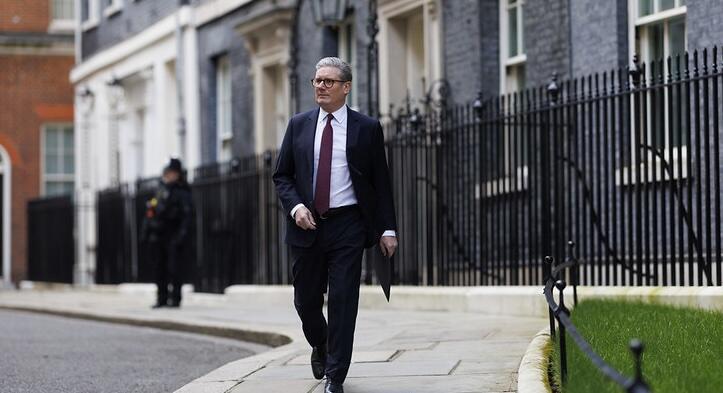
UK Prime Minister Keir Starmer is convening an emergency COBRA meeting following a phone call with President Trump related to the ongoing conflict with Iran.
Some shit you should know before you dig in: In the UK, a COBRA meeting is a high-level emergency committee convened by the government to coordinate responses to major national or international crises. It is typically chaired by the prime minister or a senior minister and brings together key figures such as cabinet ministers, intelligence chiefs, military leaders, police representatives, and relevant experts depending on the situation. COBRA meetings are relatively rare and are only called in high-stakes scenarios (such as major geopolitical events) where rapid, cross-government decision-making is required.

What’s going on now: First reported by Sky News citing government sources, Starmer’s latest COBRA meeting will bring together senior cabinet figures including Chancellor Rachel Reeves, Foreign Secretary Yvette Cooper, Energy Secretary Ed Miliband, and Bank of England Governor Andrew Bailey. The inclusion of the Bank of England, led by Bailey and responsible for setting UK interest rates and controlling inflation, signals that this is not just a security discussion but a full-scale economic crisis response, with monetary policy and financial stability now directly at risk from the conflict.
The meeting is expected to focus heavily on the immediate economic shock hitting the UK, particularly surging energy prices driven by disruption in the Strait of Hormuz, through which roughly 20% of global oil and gas flows. Officials are preparing for a sharp rise in household energy bills, potentially adding hundreds of pounds annually, alongside inflation forecasts climbing back toward 5% and growing expectations that interest rates may need to rise again. Ministers will also examine risks to supply chains, business costs, and broader financial market instability, as borrowing costs spike and investor confidence weakens.
This comes directly after Starmer’s call with President Trump, in which both leaders agreed that reopening the Strait of Hormuz is critical to stabilizing global energy markets. The call, described as constructive, came after Trump issued a 48-hour ultimatum to Iran to restore shipping access or face strikes on their energy infrastructure.
Iran has since responded, vowing to strike energy infrastructure in the Gulf, including desalination plants, which are critical for water supplies in the region.
Related posts:
 Updates From Middle East
 Trump Speaks with UK Prime Minister After Criticism Over Not Assisting in Military Operations Against Iran
 A Deep Dive: Influencers and “Independent” Journalists on Both Sides Being Paid to Advance Political Talking Points
 Global Leaders React to Assassination Attempt on Trump