Already a subscriber? Make sure to log into your account before viewing this content. You can access your account by hitting the “login” button on the top right corner. Still unable to see the content after signing in? Make sure your card on file is up-to-date.
The United Kingdom has banned a pro-Iranian march planned in London.
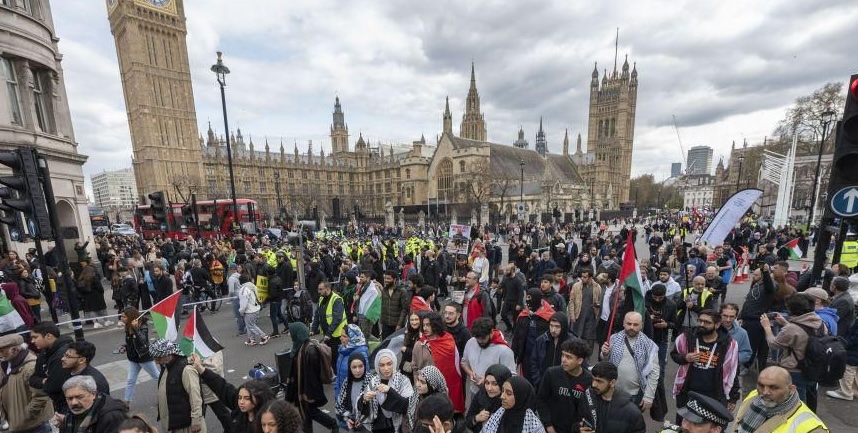
Getting into it: In a statement, UK authorities confirmed that the annual Al Quds Day march , an event held near the end of Ramadan to express solidarity with Palestinians, would not be allowed to proceed this year due to concerns about public disorder. Al Quds Day was established in 1979 by Iran’s first supreme leader, Ruhollah Khomeini, shortly after the Iranian Revolution. Khomeini created the event as an international day of protest against Israel and in support of the Palestinian cause, with demonstrations now taking place in multiple countries each year. In London, the rally has long been organized by the Islamic Human Rights Commission and has drawn controversy from critics who say it reflects support for Iran’s leadership and political agenda.

UK officials said the march was banned after police warned it could trigger serious public disorder amid heightened tensions linked to the conflict in the Middle East and the likelihood of large counter-protests. Home Secretary Shabana Mahmood said she approved the request from the Metropolitan Police after reviewing the risks. She added that authorities expect “the full force of the law” to be applied against anyone promoting hatred or violence.
Authorities noted that the threshold for banning a protest is extremely high and that the decision was not taken lightly. Assistant Commissioner Ade Adelekan said the march presented “unique risks and challenges,” noting the large number of expected demonstrators and counter-demonstrators and the “extreme tensions between different factions.”
Despite the ban on the procession, authorities said a stationary demonstration could still take place because police do not have the legal power to prohibit a static assembly. Officials said any such protest would be subject to strict conditions and closely monitored by police, who warned that anyone attempting to organize or join a banned march could face arrest.
This all comes as organizers and supporters of the event condemned the decision and said it undermines the right to protest. The Islamic Human Rights Commission spokesman Faisal Bodi said the move would represent “a sad day for freedom of expression, freedom of assembly and the right of people to legitimately protest about issues they feel strongly about,” adding that the event has taken place in London for decades.