Already a subscriber? Make sure to log into your account before viewing this content. You can access your account by hitting the “login” button on the top right corner. Still unable to see the content after signing in? Make sure your card on file is up-to-date.
A top US lawmaker has again said that Cuba is next in line for US action, following American and Israeli strikes on Iran that killed Supreme Leader Ali Khamenei.
Some shit you should know before you dig in: If you haven’t been following along, Cuba is under a significant amount of pressure right now as the Trump administration intensifies its embargo against the country. Shortly after the fall of Nicolás Maduro, the US moved to cut off oil shipments from Venezuela to Cuba (fuel the island had long relied on). At the same time, pressure also led Mexico to halt shipments, effectively choking off supplies that accounted for more than 80% of Cuba’s energy. The sudden loss of fuel has triggered widespread blackouts, transportation and economic disruptions, pushing the island toward what both US officials and other world leaders describe as a growing humanitarian crisis. Trump has openly said Cuba needs to “make a deal” with the US, fueling speculation that the strategy of cutting off energy while increasing diplomatic pressure is aimed at forcing political change or even regime change.

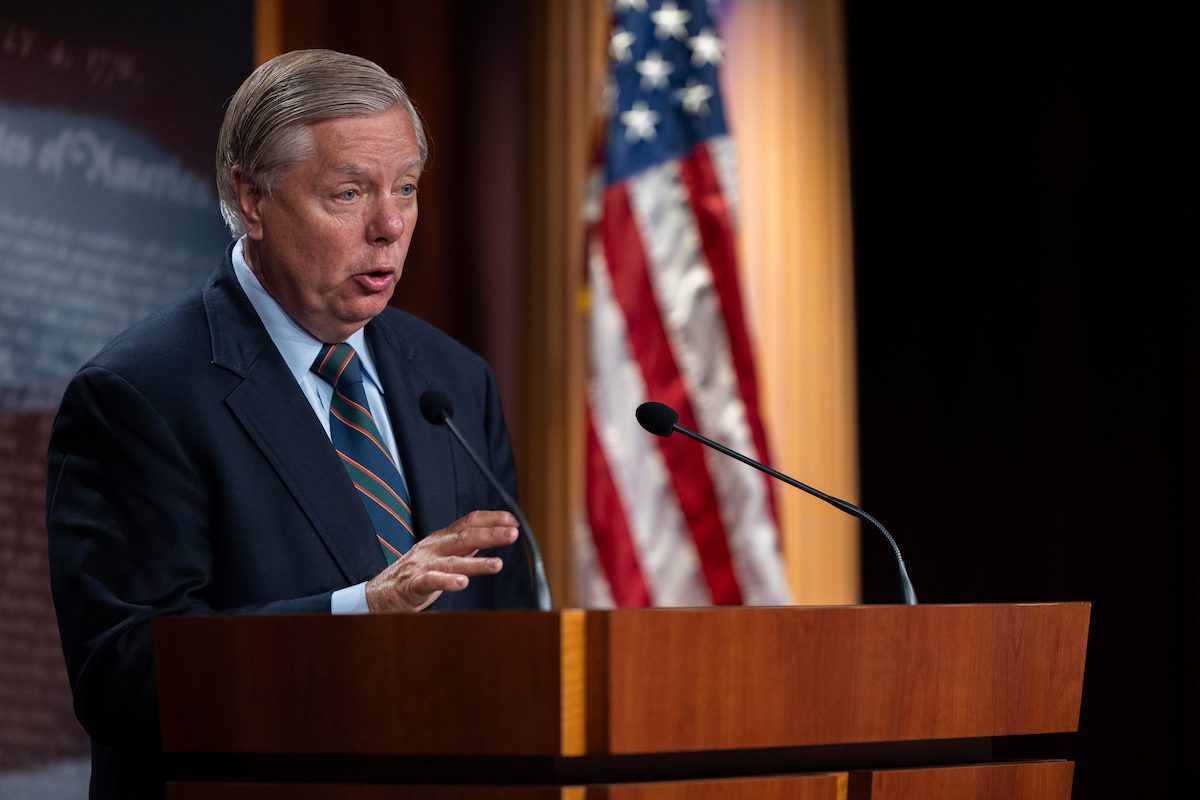
What’s going on now: In a notable development, Senator Lindsey Graham has again suggested that Cuba is “next” following US strikes on Iran. Appearing on Fox News, Graham praised the foreign policy approach of President Trump and pointed to the fall of Venezuelan leader Nicolás Maduro as proof that the strategy is working. “Maduro? Everybody talked about him; well, Donald Trump’s got him in jail!” Graham said before adding a blunt prediction about Havana:“Cuba’s next. They’re gonna fall. This communist dictatorship in Cuba? Their days are numbered.”
Graham’s comments come as the US continues tightening pressure on Cuba through economic measures and energy restrictions. The island’s leadership has been scrambling to respond to the fuel shortages and economic shock caused by the loss of foreign oil shipments.
Cuban President Miguel Díaz-Canel has ordered urgent changes to the country’s economic and energy strategy, pushing municipalities and state institutions to prioritize domestic production, restructure parts of the economy, and accelerate energy transition efforts to solar.
As of now, there has been no comment from Cuban officials related to Graham’s statement.