Already a subscriber? Make sure to log into your account before viewing this content. You can access your account by hitting the “login” button on the top right corner. Still unable to see the content after signing in? Make sure your card on file is up-to-date.
Qatar and Saudi Arabia have halted key energy operations following drone and missile attacks from Iran.
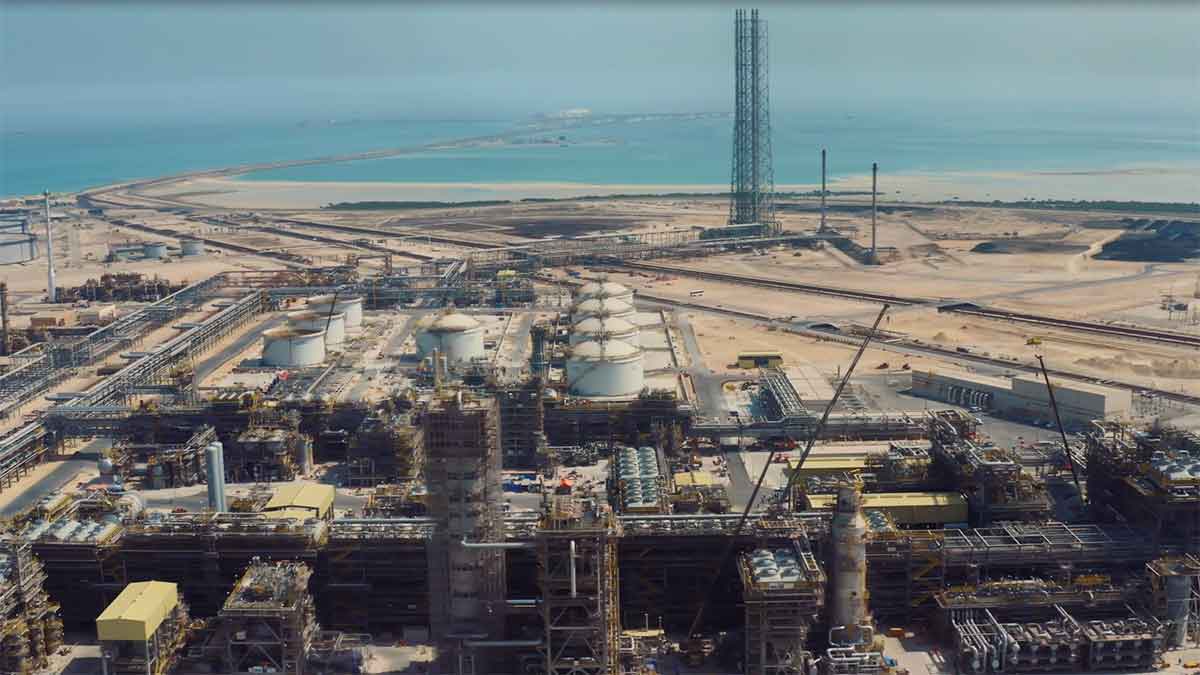
Getting into it: In Qatar, liquefied natural gas production was halted after Iranian drone strikes targeted facilities at Ras Laffan Industrial City and Mesaieed Industrial City, both operated by state-owned QatarEnergy. Ras Laffan, which accounts for roughly 20% of global LNG supply, was forced to suspend operations, and QatarEnergy declared force majeure on shipments, allowing it to delay deliveries without contractual penalties. Qatari defense officials said two Iranian drones were intercepted over the country, with debris causing limited damage and no casualties reported.

In Saudi Arabia, operations at the Ras Tanura refinery, one of the kingdom’s largest refining facilities with a capacity of 550,000 barrels per day, were halted as a precaution after a drone attack. The refinery, part of a major export complex operated by Saudi Aramco, was temporarily shut down following the interception of drones that triggered a limited fire from falling debris. Saudi officials said the situation was under control and stressed that air defenses successfully neutralized the incoming threats.
BREAKING: Saudi Arabia has shut down Ras Tanura, its largest oil refinery, following an Iranian drone strike.
— The Kobeissi Letter (@KobeissiLetter) March 2, 2026
Ras Tanura processes 550,000 barrels of crude oil per day. pic.twitter.com/D9ZYBD0pBK
The market impact has been immediate and significant. European natural gas prices surged sharply following Qatar’s LNG shutdown, while oil prices jumped amid fears of supply disruptions tied to the Saudi refinery halt and broader regional instability.
Notably, Iranian state-linked media outlets have disputed elements of the attacks and countered with their own claims, including allegations that strikes on Gulf energy infrastructure were misrepresented or conducted as “false flag” operations by Israel.
Related posts:
 Updates From Middle East
 US Announces $1.9 Billion Arms Sale to Qatar, Follows Similar Deal with Saudi Arabia
 A Deep Dive: Influencers and “Independent” Journalists on Both Sides Being Paid to Advance Political Talking Points
 Netanyahu Says More Strikes Could Come in Qatar if Country Does Not Expel Hamas Officials, Trump Reportedly Pissed at Netanyahu