Already a subscriber? Make sure to log into your account before viewing this content. You can access your account by hitting the “login” button on the top right corner. Still unable to see the content after signing in? Make sure your card on file is up-to-date.
The United States has announced another round of sanctions targeting Iran’s oil shipping networks, weapons procurement channels, and entities tied to its military industrial complex.
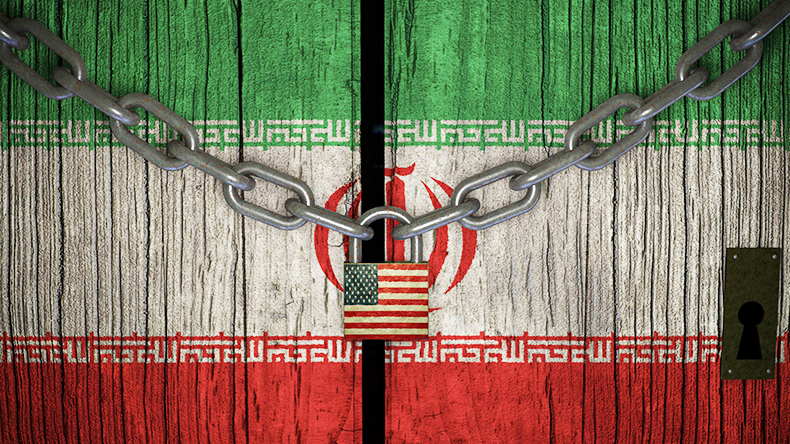
Some shit you should know before you dig in: Since President Trump returned to office, the United States has significantly ramped up sanctions on Iran, expanding its pressure campaign to target nearly every major revenue stream connected to the Iranian government. The US has blacklisted members of Iran’s so-called “shadow fleet” (a network of aging oil tankers that operate with hidden ownership, minimal insurance, and frequent ship-to-ship transfers used to disguise the origin of sanctioned Iranian crude) as well as third-party companies and individuals in countries like Türkiye and the UAE accused of helping generate revenue or procure materials for Iran’s missile and drone programs. These measures have resulted in significant economic pain inside Iran, contributing to a sharp collapse in the national currency and fueling waves of public anger that have erupted into mass protests over inflation and deteriorating living conditions. In just the past two months, the US has rolled out new sanctions almost weekly, a pace that some analysts believe is designed either to gain leverage in nuclear negotiations or to intensify internal pressure on Iran’s leadership by worsening its economic crisis.

What’s going on now: In an announcement by the US Treasury, the government rolled out sanctions against more than 30 individuals, companies, and vessels it says are helping Iran sell oil and build advanced weapons. The centerpiece of the action targeted 12 ships that US officials describe as part of Iran’s “shadow fleet,” accusing them of transporting hundreds of millions of dollars’ worth of Iranian petroleum and petrochemical products in violation of US sanctions. The Treasury says the revenue from these oil shipments is being funneled into Iran’s ballistic missile program, drone development, and support for armed groups across the region.
The sanctions also named the owners and operators of those vessels, along with shipping and trading companies registered in places such as Panama, the Marshall Islands, and other offshore jurisdictions. According to US officials, these firms helped disguise the origin of Iranian oil, managed logistics, and moved cargo through international markets to keep export revenue flowing despite restrictions.
Beyond oil transport, the Treasury also targeted networks accused of helping Iran acquire critical machinery and chemical precursors used in missile and weapons production. Several companies in Iran, Türkiye, and the United Arab Emirates were sanctioned for allegedly acting as financial middlemen or procurement agents, arranging payments and securing specialized equipment for entities linked to Iran’s Islamic Revolutionary Guard Corps and Ministry of Defense.
In a statement, Treasury Secretary Scott Bessent said, “Under President Trump’s strong leadership, [the] Treasury will continue to put maximum pressure on Iran to target the regime’s weapons capabilities and support for terrorism, which it has prioritised over the lives of the Iranian people.”
Related posts:
 Updates From Middle East
 US Slaps Sanctions on Multiple Companies Allegedly Tied to Iran’s Oil & Petrochemical Industry
 US Hits Iran with More Sanctions Targeting Oil Industry — Iranian Officials Pissed, Warn It Could Derail Ongoing US-Iran Talks
US Announces New Sanctions Targeting Iran’s Oil Industry
US Hits Iran with More Sanctions Targeting Oil Industry — Iranian Officials Pissed, Warn It Could Derail Ongoing US-Iran Talks
US Announces New Sanctions Targeting Iran’s Oil Industry