Already a subscriber? Make sure to log into your account before viewing this content. You can access your account by hitting the “login” button on the top right corner. Still unable to see the content after signing in? Make sure your card on file is up-to-date.
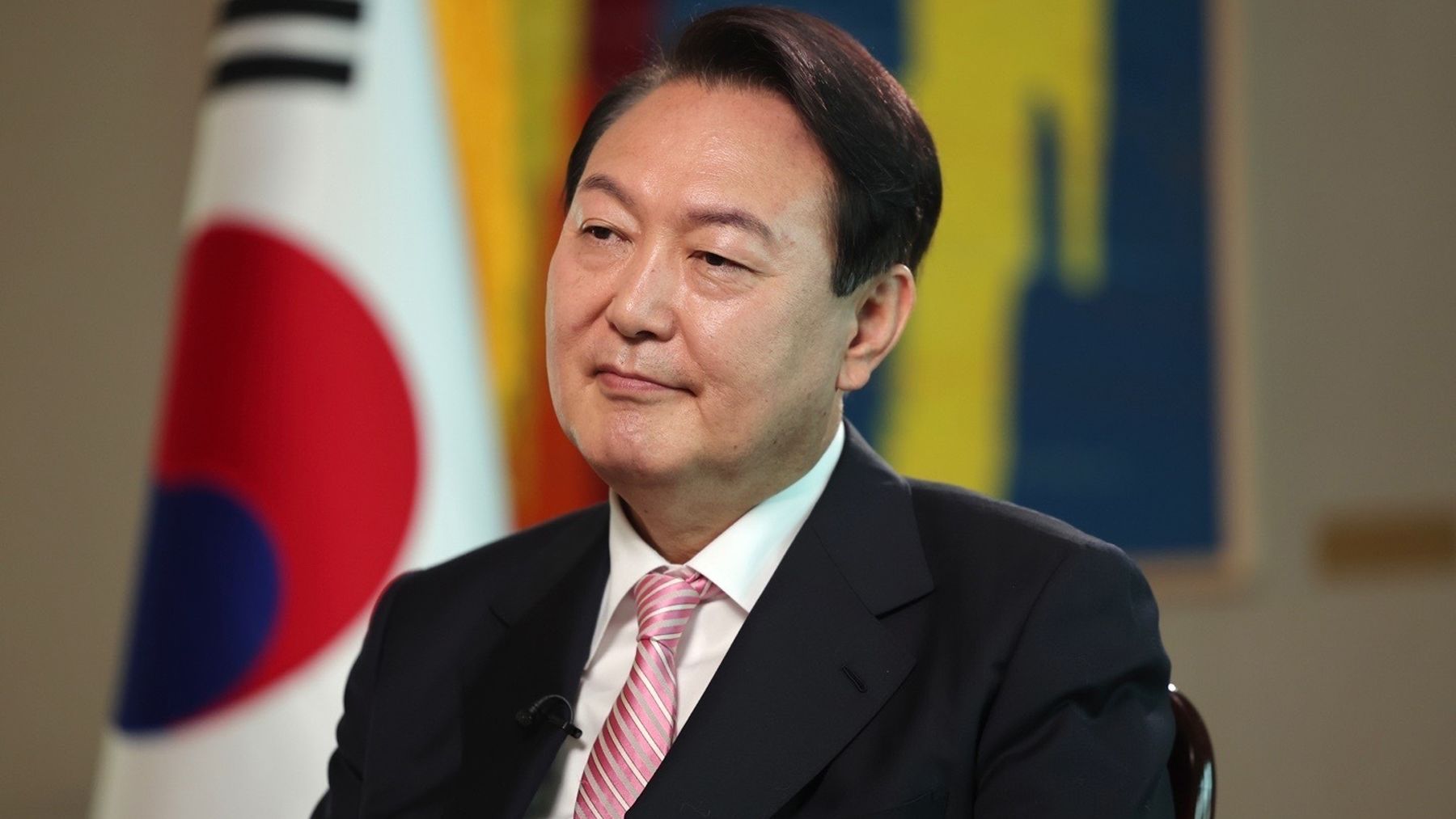
The former president of South Korea has been found guilty of leading an insurrection and sentenced to life imprisonment after his failed attempt to impose martial law in 2024.
Some shit you should know before you read: Back in early December 2024, South Korea’s then-President Yoon Suk Yeol declared martial law in a late-night announcement, citing the need to overcome political deadlock and root out what he described as “anti-state forces.” This move shocked the nation, as it was widely seen as an authoritarian power grab. Within hours of the declaration, the National Assembly convened an emergency session and voted 190-0 to revoke the decree, despite armed military personnel attempting to block lawmakers from accessing the chamber. The backlash was quick, with lawmakers from across the political spectrum condemning Yoon’s actions as a blatant violation of democratic norms. Just 11 days later, on December 14, the National Assembly impeached Yoon, suspending his presidential powers and triggering multiple investigations into him.

What’s going on now: In a notable development, a South Korean court has found Yoon guilty of insurrection, abuse of authority, and subverting the constitutional order, concluding that he deliberately mobilized military and police forces in an illegal attempt to seize control of the National Assembly and prevent lawmakers from overturning his martial law decree. Judge Jee Kui-youn said the evidence showed Yoon ordered troops to surround and blockade parliament and to arrest key political figures, actions the court determined were intended to paralyze the legislature and establish unchecked power for a “considerable” period. The court sentenced him to life imprisonment, rejecting prosecutors’ demand for the death penalty. Under South Korean law, leading an insurrection carries a maximum punishment of death or life imprisonment.
Prosecutors argued that Yoon’s declaration of martial law was done to extend his rule in violation of the constitution. They pointed to the deployment of troops to the National Assembly, orders to arrest senior politicians (including opposition leaders and the National Assembly speaker), and attempts to control media and suspend political activity as evidence that he intended to disable the legislature and undermine democratic governance. In seeking the death penalty, prosecutors said his actions amounted to a “grave destruction of constitutional order” and posed an extraordinary threat to the nation’s democracy.
Yoon’s lawyers labeled the trial as a “predetermined” and politically driven process, arguing that he acted within his constitutional authority as president and that the martial law decree was meant to raise public awareness about opposition obstruction, not to permanently seize power. They insisted he had no intention of causing violence and stressed that the order lasted only about six hours before being lifted. Yoon has denied wrongdoing and is expected to appeal the verdict, maintaining that his actions were lawful and necessary under the circumstances.
This all comes as the court has handed down significant sentences to other former officials accused of participating in the decree’s enforcement. Former Defense Minister Kim Yong-hyun received a 30-year prison term for his central role in planning and mobilizing forces, while former Prime Minister Han Duck-soo was sentenced to 23 years for attempting to legitimize the order.
Related posts:
 South Korean President Survives Impeachment Attempt Following Botched Martial Law Declaration
 Court Rules Former South Korean President’s Detention Unlawful, Orders His Release
 South Korean Investigators Seek Extension on Arrest Warrant for Former President
 South Korea Seeks Arrest of Former President; Former President Urges Supporters to Resist