Already a subscriber? Make sure to log into your account before viewing this content. You can access your account by hitting the “login” button on the top right corner. Still unable to see the content after signing in? Make sure your card on file is up-to-date.
A top US intelligence agency has warned a lawyer representing a whistleblower that he risks violating national security laws if he shares classified details of a complaint with Congress.
Getting into it: In a letter to attorney Andrew Bakaj, general counsel Jack Dever from the Office of the Director of National Intelligence (ODNI) warned that sharing details from the whistleblower complaint with lawmakers could result in the unlawful disclosure of highly classified material. The letter noted that while the whistleblower may notify Congress of the existence of a complaint, neither the lawyer nor the client has legal authority to discuss its classified content outside approved channels. The ODNI warned that the nature of the complaint, which was deemed so sensitive that it remains locked in a secure facility, makes unauthorized disclosure particularly risky and potentially illegal. Dever also said that whistleblower protections under current statutes do not extend to Bakaj himself and rejected his claims of procedural failures by Gabbard’s office.

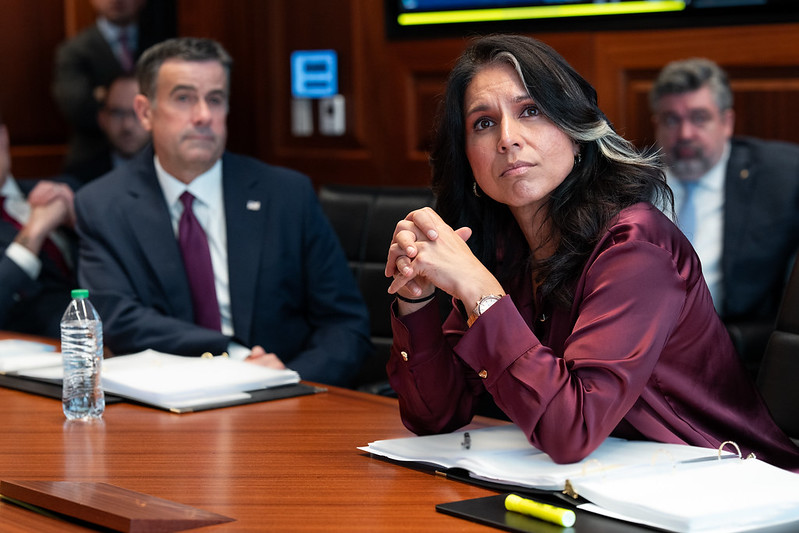
This all comes amid allegations that Director of National Intelligence Tulsi Gabbard mishandled intelligence related to an intercepted conversation between two foreign nationals reportedly discussing someone close to President Donald Trump. The whistleblower claims the distribution of that intelligence was restricted within the administration, raising concerns over the possible misuse of classification authority. Bakaj argues that the complaint, first submitted in May and requested to be shared with Congress in June, was unlawfully delayed and kept hidden for eight months. He maintains that Gabbard’s office failed to provide security guidance that would have allowed a lawful briefing to lawmakers, prompting his threat to proceed with an unclassified version instead.
Lawmakers have responded with criticism over the delay and transparency. Representative Jim Himes (D-CT) condemned the eight-month delay as “absolutely not OK,” while Senate Intelligence Committee Vice Chair Mark Warner (D-VA) noted that the initial Inspector General review found the complaint could meet the “urgent concern” threshold if verified. However, subsequent reviews by two separate Inspectors General concluded the allegations lacked credibility, and the case was closed. Republican committee leaders, including Senator Tom Cotton (R-AR), sided with that conclusion and dismissed the complaint as noncredible and politically driven.
As of now, Gabbard continues to deny any wrongdoing, insisting that her actions were legal and appropriate given the sensitivity of the material. She claims she first saw the complaint only weeks before taking steps to ensure it was securely delivered to Congress.
Related posts:
 DNI Tulsi Gabbard Accused of Withholding Whistleblower Complaint Against Herself; Complaint Reportedly So Sensitive it Could Cause Damage to National Security
 Updates From Middle East
 DOJ Announces Arrest of Man Who Made Credible Death Threats Against DNI Tulsi Gabbard, Claimed She Was Taking Orders From Putin
 Roughly 100 Former National Security Officials Call on Senate to Block Tulsi Gabbard’s Nomination