Already a subscriber? Make sure to log into your account before viewing this content. You can access your account by hitting the “login” button on the top right corner. Still unable to see the content after signing in? Make sure your card on file is up-to-date.
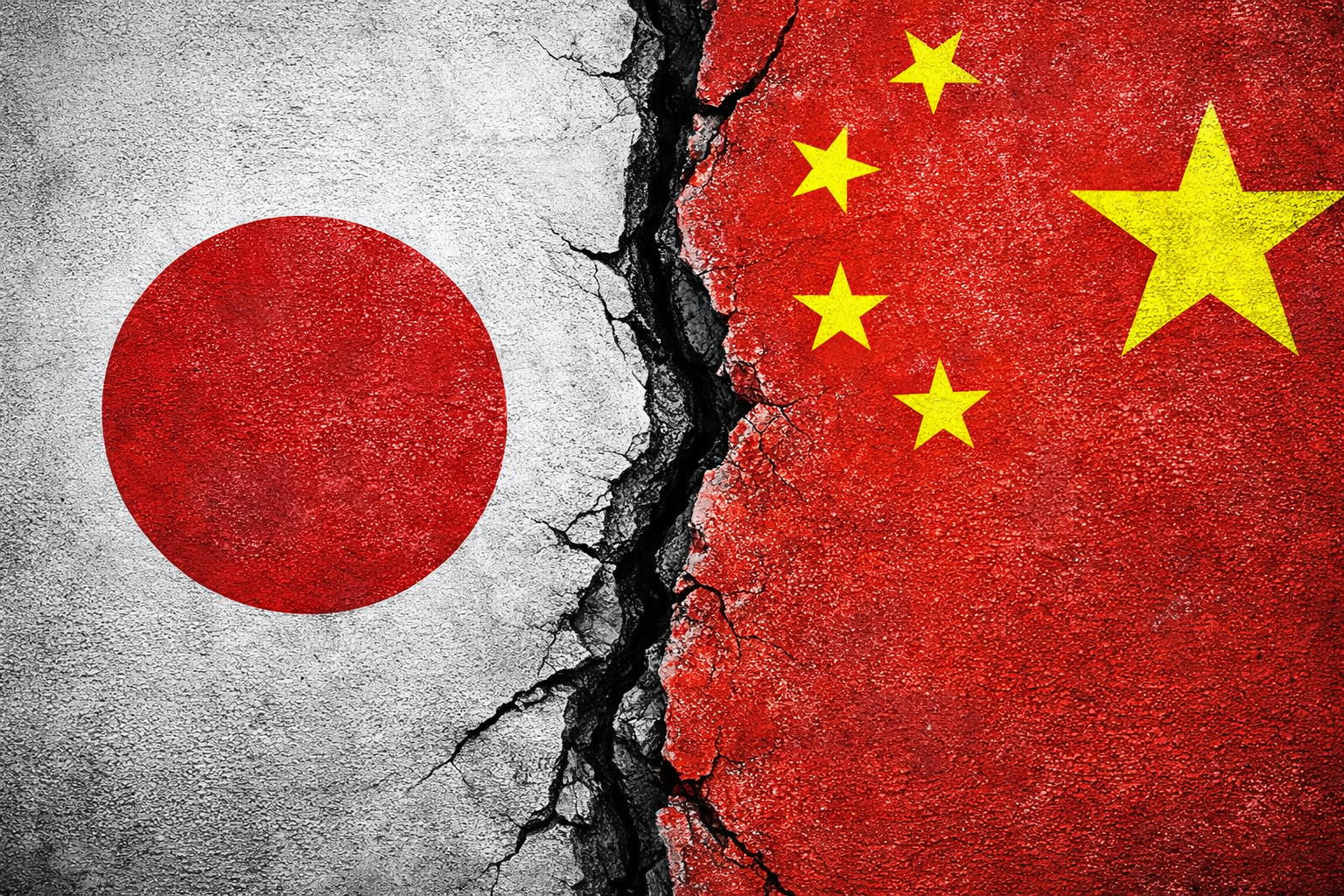
Japan has criticized China’s decision to impose export controls on dual-use items that could improve Japan’s military capabilities amid escalating tensions over Taiwan.
Some shit you should know before you dig in: If you’re unaware, China is the world’s largest global power in rare earths, controlling roughly 90% of processing and refining capacity, which is the true choke point in the supply chain. Rare earths are critical for semiconductors, smartphones, defense systems, precision-guided munitions, and radar systems. China has repeatedly weaponized this control by using export bans, licensing delays, and regulatory pressure against countries that challenge its political or security interests.

What’s going on now: China is continuing to hold firm by imposing new export controls on Japan, specifically targeting dual-use items, defined as goods and technologies that can be used for both civilian and military purposes. While the official announcement from China’s Ministry of Commerce did not list the exact items, the language made clear that the ban applies to anything that could enhance Japan’s military capabilities. The move was directly triggered by comments made in November by Japanese Prime Minister Sanae Takaichi, who stated that a Chinese military attack on Taiwan could constitute a “survival-threatening situation” for Japan.
Under Japan’s constitution, this phrasing meets the legal threshold for the country to exercise its right to collective self-defense, potentially allowing military intervention. Chinese officials interpreted this as a direct challenge to Chinese sovereignty and the One China principle, branding the remarks as “provocative” and a form of foreign interference.
In response to China’s export controls, Japan has formally protested, calling the restrictions “absolutely unacceptable,” “deeply regrettable,” and a violation of international norms. Japanese officials also emphasized that the controls do not align with standard global trade practices. Japan’s Ministry of Foreign Affairs has lodged a diplomatic complaint, and senior officials warned that the move could destabilize not only bilateral relations but also broader regional supply chains.
The impact could be significant, as Japan currently sources over 70% of its rare earth imports from China, despite years of efforts to diversify its sources.
Related posts:
 Updates From Middle East
 China Announces Retaliatory Export Bans on Critical Rare Earth Minerals to the US Following US Export Controls on Semiconductors to China
 Pentagon-Affiliated Think Tank Warns of China’s Growing Presence in Africa, Cites Concerns Over Potential Military Use of 231 Commercial Ports
 Annual US Threat Assessment Again Identifies China as Largest Threat to US National Security, Warns of Growing Military Power